Loading

Honest Information
Browse Procedures
Real cost ranges, patient ratings, and what to expect — for 585 procedures across Pakistan.
585Procedures
12Categories
PKRPrice guides included
All Procedures · 585 of 585
 SurgicalBody
AirSculpt
No reviews yet
View details
 SurgicalBody
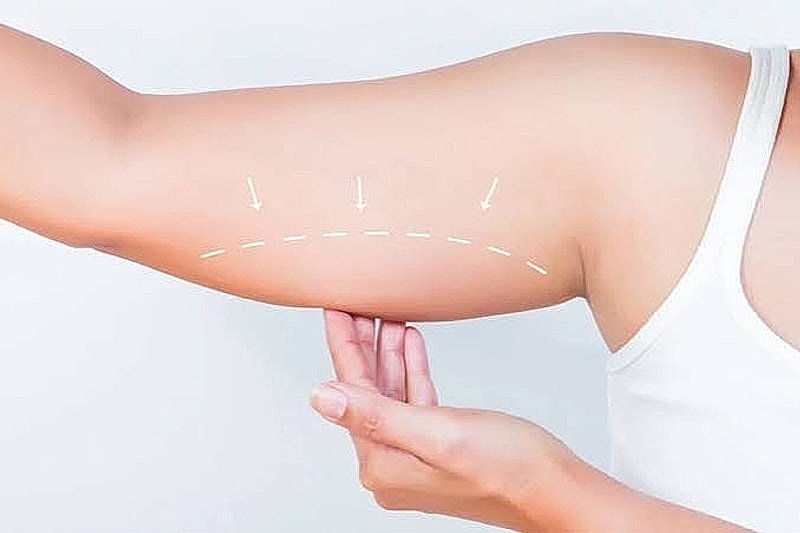
Arm Lift (Brachioplasty)
No reviews yet•PKR 2L–5L
An arm lift (brachioplasty) removes excess, sagging skin from the upper arms — the 'bat wing' appearance — that develops after significant weight loss or with ageing. It is a body contouring procedure that tightens and reshapes the upper arm from the armpit to the elbow.
View details
 SurgicalBody
Back Lift
No reviews yet
View details
 SurgicalBody
Belly Button Surgery
No reviews yet
View details
 SurgicalBody
Bicep Implants
No reviews yet
View details
 Body
BodyBody Contouring
No reviews yet•PKR 2L–6L
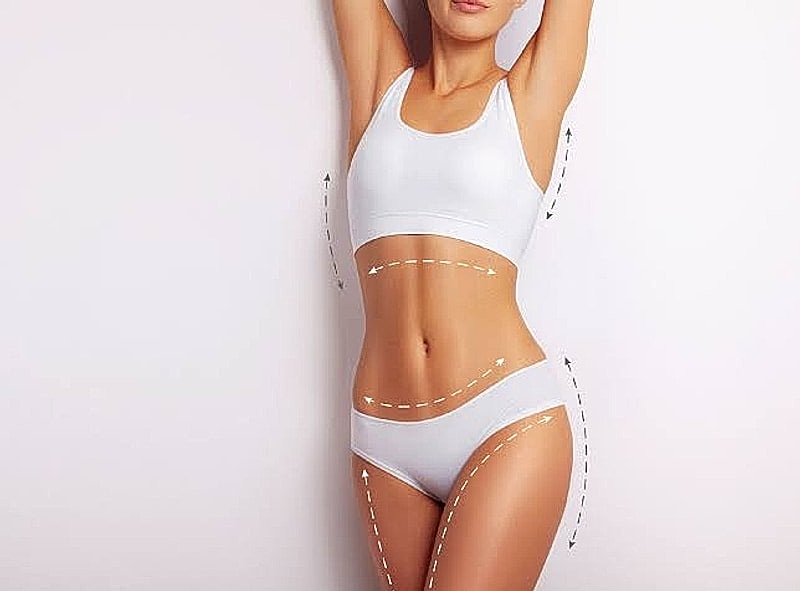
Body contouring is a broad term encompassing both surgical (liposuction, tummy tuck, body lift) and non-surgical (cryolipolysis, RF, HIFU) procedures designed to reshape and improve the body's silhouette. The most appropriate technique depends on the amount of excess fat or skin, the patient's goals, and their tolerance for surgery and recovery.
View details
 SurgicalBody
Body Lift (Belt Lipectomy)
No reviews yet
A body lift is a broad surgical term for procedures that remove excess skin and fat from large areas of the body after significant weight loss. It can be limited to the lower body (lower body lift) or combined with an upper body lift for total body transformation. It addresses skin folds, contour irregularities, and hygiene issues caused by hanging skin.
View details
 Body
BodyBody Skin Tightening
No reviews yet
Body skin tightening treatments use radiofrequency, ultrasound, or laser energy to stimulate collagen and elastin production in loose or lax skin on the body — including the abdomen, arms, thighs, and neck. They are suited to patients with mild to moderate laxity who want improvement without surgery.
View details
 SurgicalBody
Body-Jet Liposuction
No reviews yet
View details
 SurgicalBody
Brazilian Butt Lift
No reviews yet
View details
 SurgicalBody
Brazilian Butt Lift (BBL)
No reviews yet•PKR 5L–12L
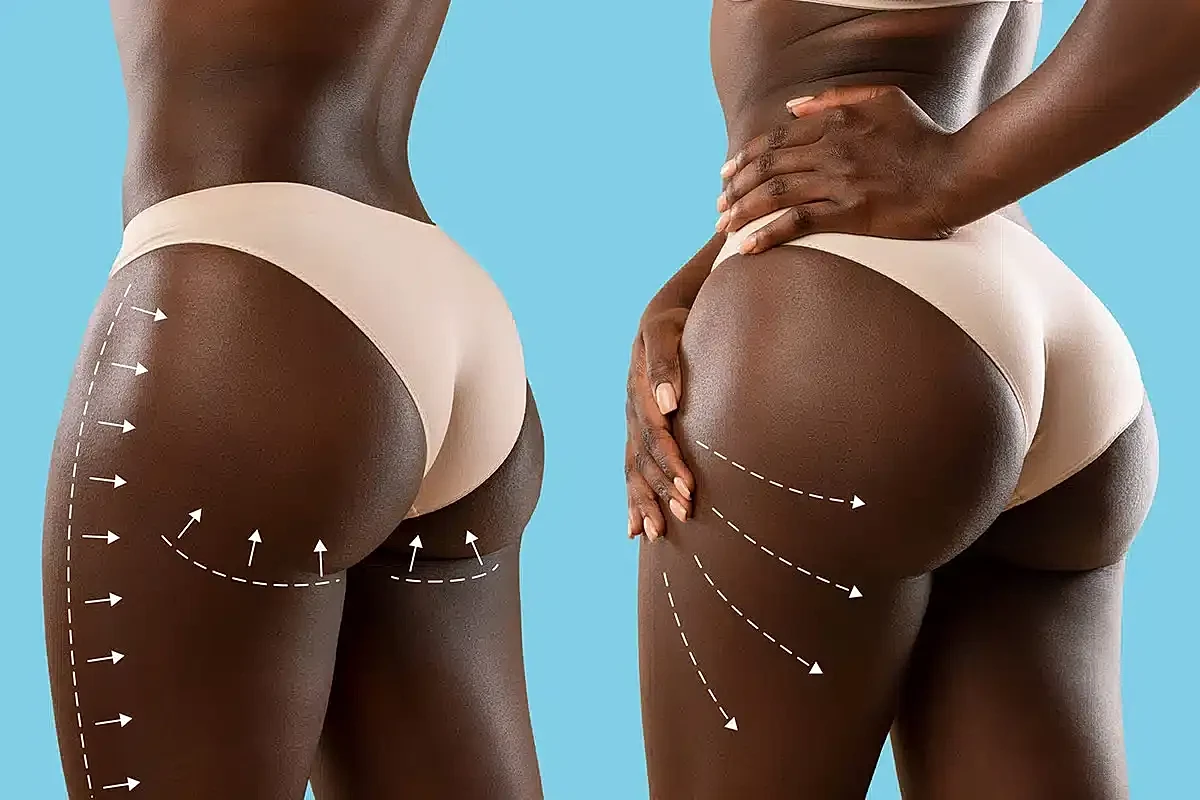
The Brazilian butt lift (BBL) combines liposuction of the flanks, abdomen, and back with fat transfer to the buttocks to simultaneously slim the waist and add volume and projection to the buttocks. It uses the patient's own fat, so there is no implant and no risk of rejection.
View details
 SurgicalBody
Brazilian Butt Lift Revision
No reviews yet
View details
 SurgicalBody
Butt Augmentation
No reviews yet
View details
 SurgicalBody
Butt Implant Removal
No reviews yet
View details
 SurgicalBody
Butt Implants
No reviews yet
View details
 SurgicalBody
Butt Lift
No reviews yet
View details
 SurgicalBody
Buttock Implants
No reviews yet
Buttock implants are solid silicone prostheses placed surgically within or under the gluteal muscles to add permanent volume and projection to flat or asymmetric buttocks. They are an alternative to fat transfer for patients who do not have sufficient donor fat for a BBL.
View details
 Body
BodyCalf Augmentation
No reviews yet•PKR 2.5L–6L
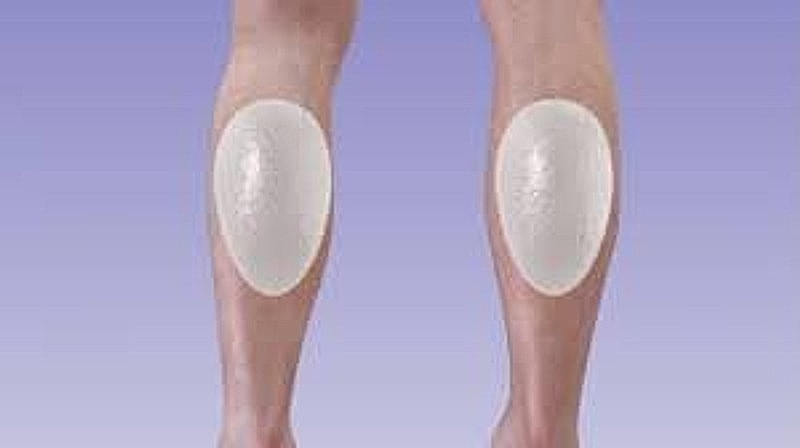
Calf augmentation adds volume and definition to underdeveloped or asymmetric calf muscles using solid silicone implants or fat transfer. It is sought by patients whose calves remain thin despite exercise, those with asymmetry, or those reconstructing calf shape after injury or medical conditions.
View details
 SurgicalBody
Calf Implant
No reviews yet
View details
 SurgicalBody
Calf Reduction
No reviews yet
View details
 Body
BodyCellulite Treatment
5.01 Reviews
Cellulite is caused by fibrous septae pulling the skin down against a background of fat lobules, creating the dimpled, orange-peel texture most commonly seen on the thighs, buttocks, and abdomen. Effective treatments target these fibrous bands, increase skin thickness, or reduce underlying fat. No single treatment eliminates cellulite permanently.
View details
 SurgicalBody
Chin Liposuction
No reviews yet
View details
 Body
BodyCryolipolysis (CoolSculpting)
No reviews yet
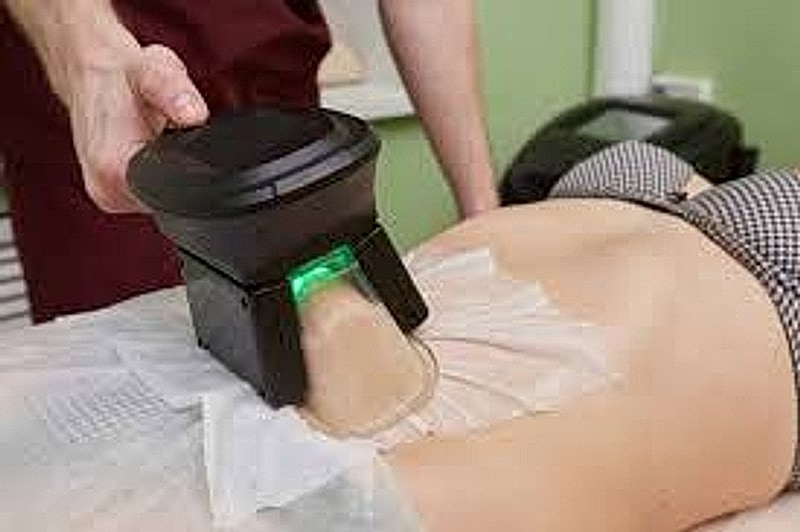
Cryolipolysis (commercially known as CoolSculpting) uses controlled cooling to freeze and permanently destroy fat cells in localised body areas. The frozen fat cells undergo apoptosis (natural cell death) and are cleared by the body's lymphatic system over 2–4 months. It is a non-surgical, no-downtime fat reduction treatment.
View details
 SurgicalBody
Cyst Removal
No reviews yet
View details
 SurgicalBody
Diastasis Recti Repair
No reviews yet
View details
 Body
BodyEMS Body Sculpting (Emsculpt)
No reviews yet
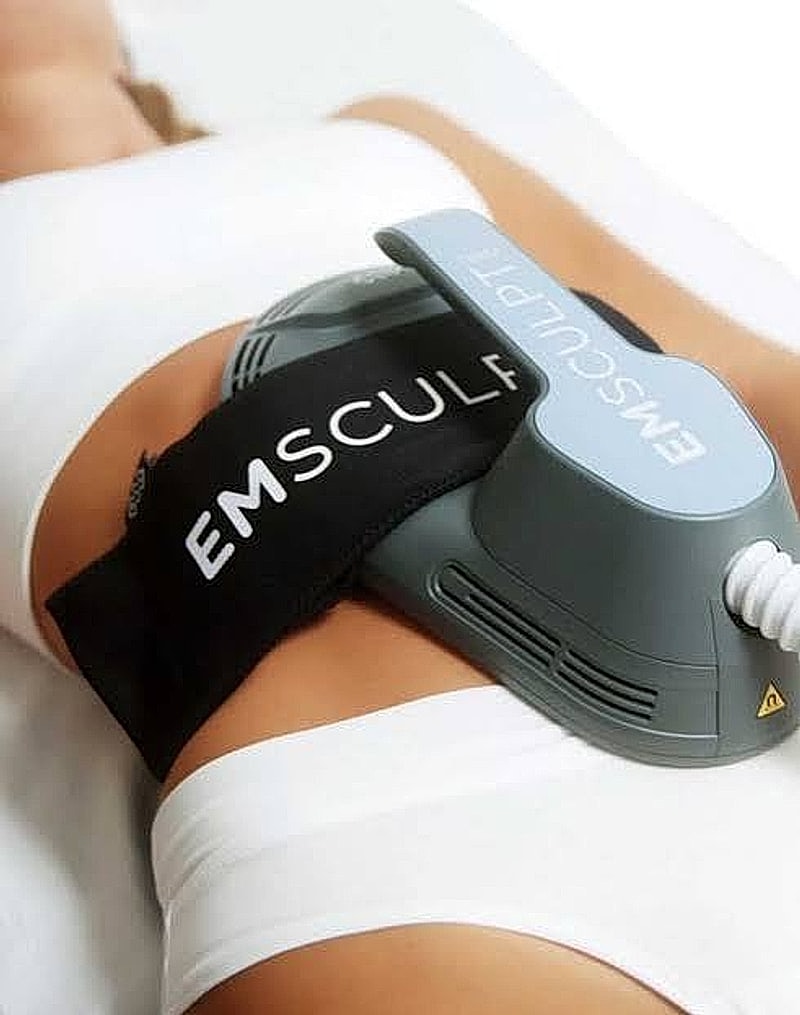
Electromagnetic muscle stimulation (EMS) body sculpting devices — such as Emsculpt — use high-intensity focused electromagnetic energy to induce supramaximal muscle contractions that the body cannot achieve voluntarily. This simultaneously builds muscle and reduces overlying fat in treated areas.
View details
 SurgicalBody
Fat Transfer (Body)
No reviews yet
Fat transfer to the body takes fat harvested by liposuction from areas with excess (abdomen, flanks, thighs) and re-injects it into areas requiring volume — such as the buttocks, hips, hands, or areas of contour depression. It uses the patient's own tissue and provides permanent results in the surviving fat.
View details
 SurgicalBody
Hip Augmentation
No reviews yet
View details
 SurgicalBody
Hip Implants
No reviews yet
View details
 Body
BodyInjectable Fat Dissolving (Aqualyx / Kybella)
No reviews yet
Injectable fat-dissolving treatments use compounds such as phosphatidylcholine with deoxycholic acid (PCDC) to permanently reduce small, localised fat deposits. Common treatment areas include the double chin, bra fat, inner thighs, and abdomen. They are not a substitute for liposuction in larger fat deposits.
View details
 SurgicalBody
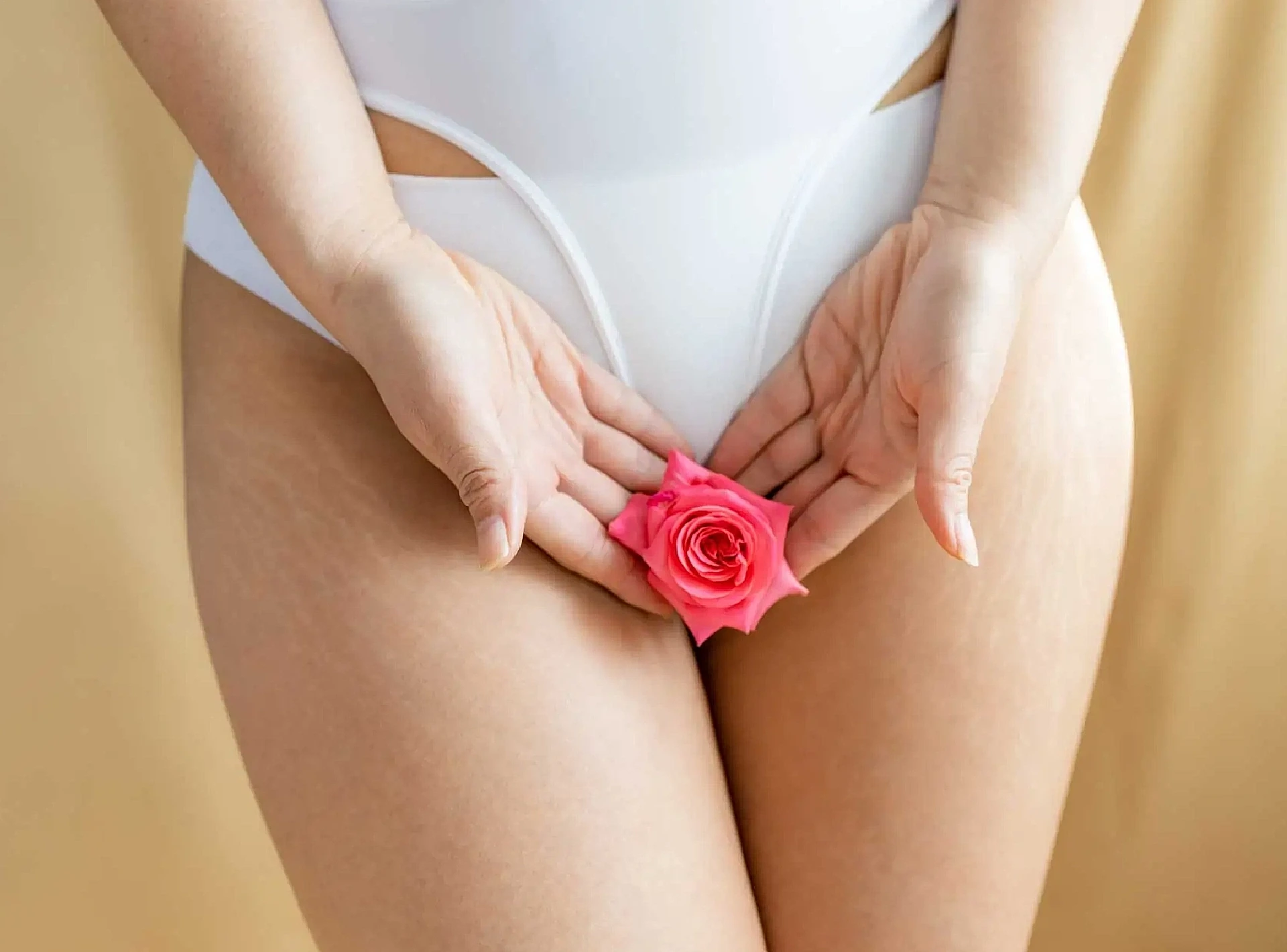
Labiaplasty
No reviews yet•PKR 1.5L–4L
Labiaplasty is a surgical procedure that reduces or reshapes the labia minora (inner lips) or labia majora (outer lips) of the vulva. Patients may seek it for physical discomfort caused by enlarged labia, for aesthetic reasons, or a combination of both. It is one of the most commonly performed female genital cosmetic surgeries.
View details
 SurgicalBody
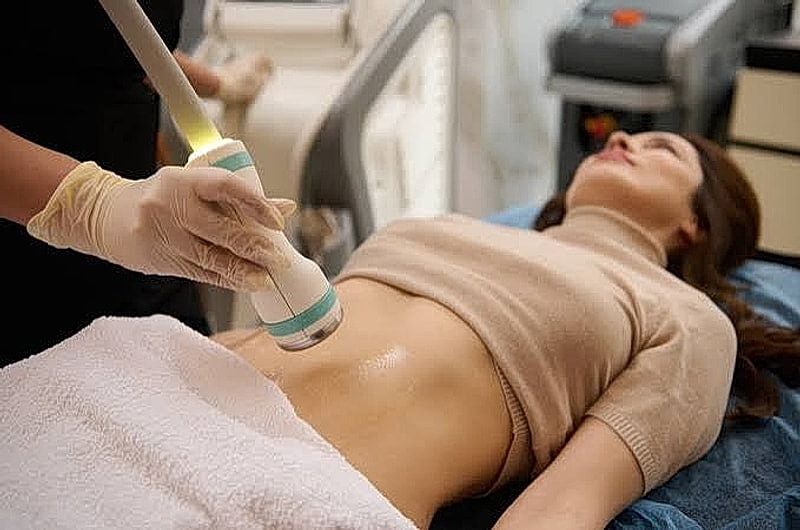
Laser Liposuction
No reviews yet
View details
 SurgicalBody
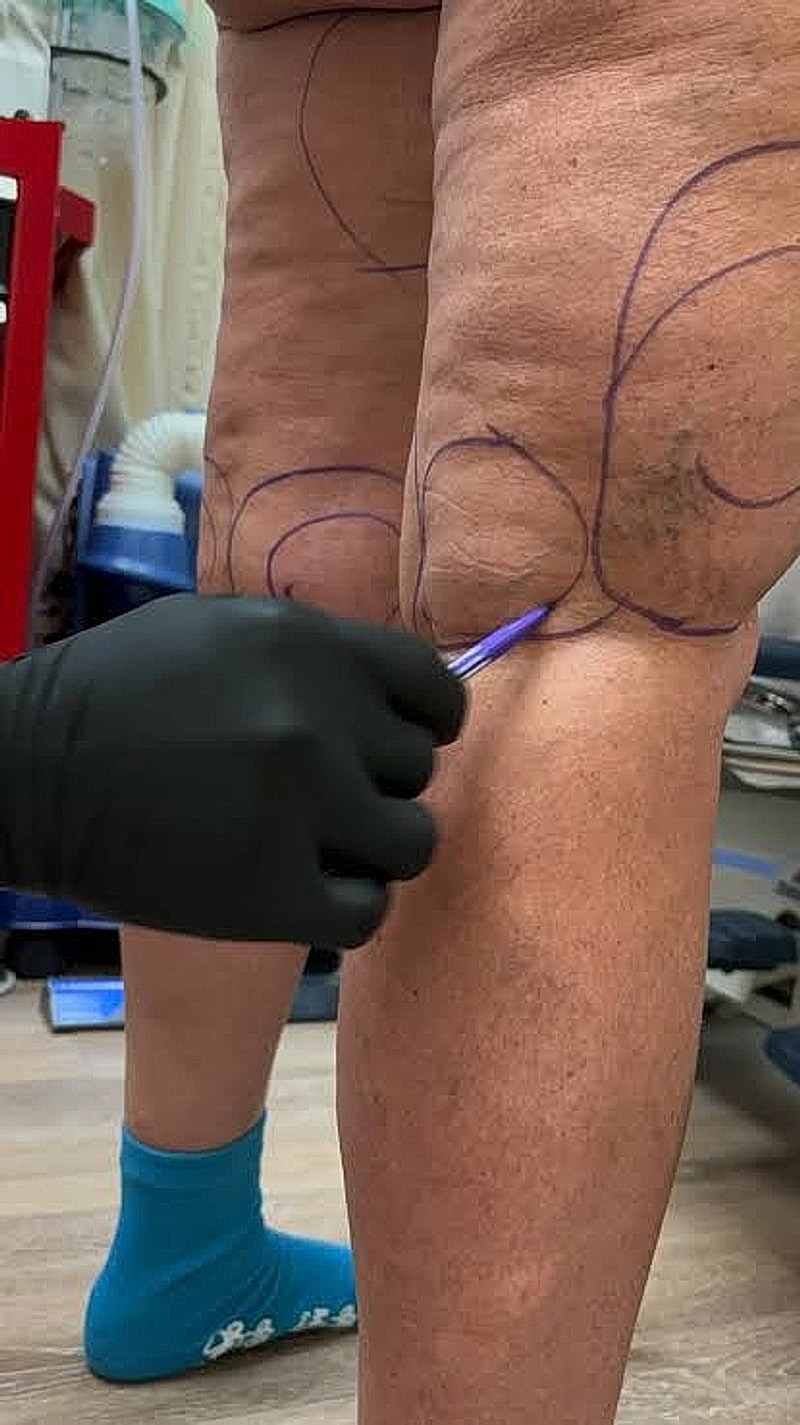
Lipedema Surgery
No reviews yet
View details
 SurgicalBody
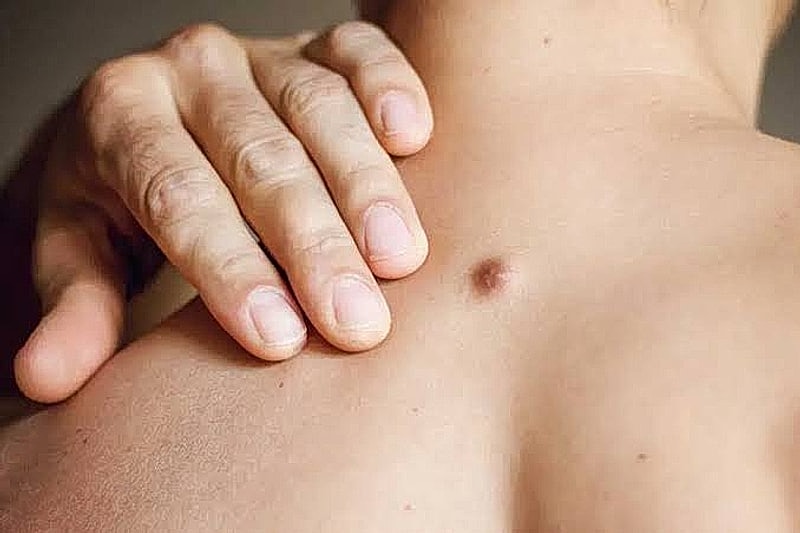
Lipoma Removal
No reviews yet
View details
 SurgicalBody
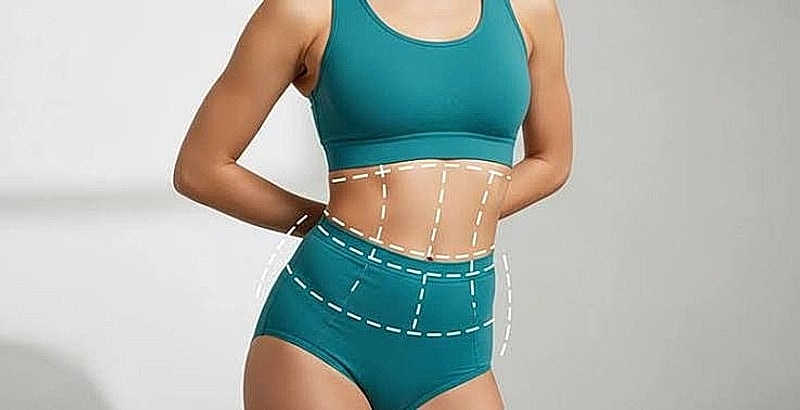
Liposculpture
No reviews yet
View details
 SurgicalBody
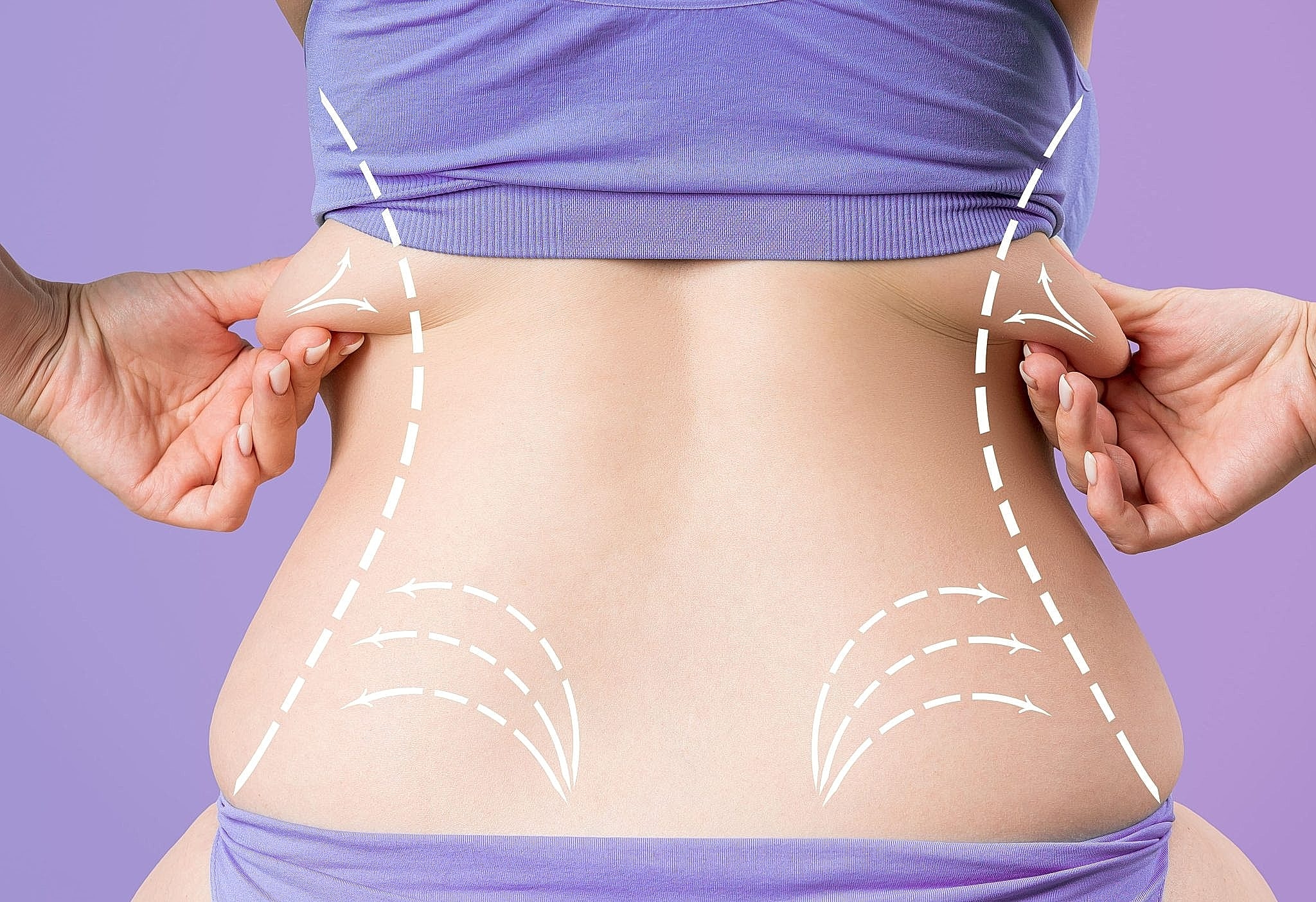
Liposuction
No reviews yet•PKR 2L–6L
Liposuction is a surgical procedure that permanently removes localised fat deposits from specific body areas using a suction cannula. It is not a weight-loss procedure but rather a body contouring technique for patients near their target weight who have stubborn, diet-resistant fat pockets. Common areas include the abdomen, flanks, thighs, arms, and back.
View details
 SurgicalBody
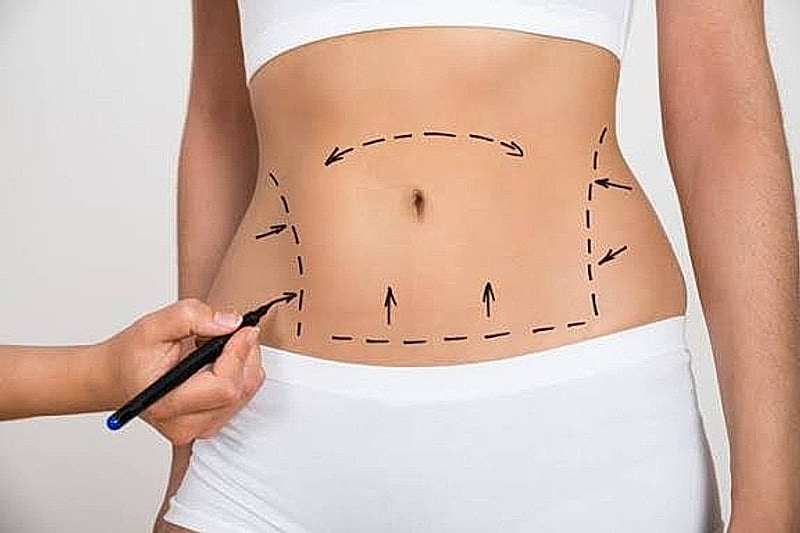
Liposuction Revision
No reviews yet
View details
 Body
BodyLower Body Lift
No reviews yet•PKR 4.5L–10L
A lower body lift is a circumferential surgical procedure that addresses sagging skin and tissue around the entire lower trunk — the abdomen, waist, hips, outer thighs, and buttocks — in a single operation. It is most commonly performed after massive weight loss following bariatric surgery.
View details
 SurgicalBody
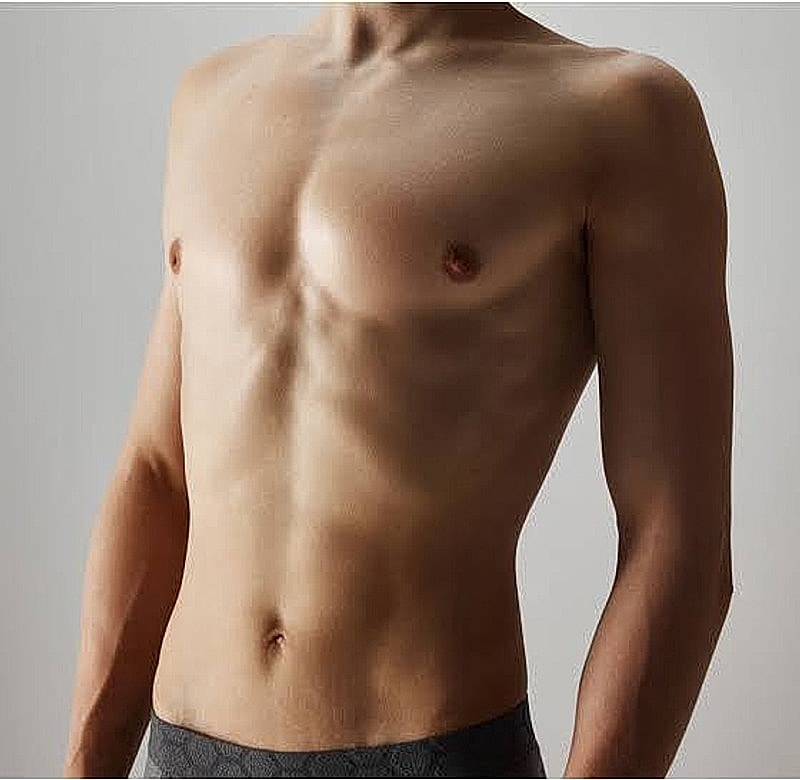
Masculinizing Top Surgery
No reviews yet
View details
 SurgicalBody
Mini Tummy Tuck
No reviews yet
A mini tummy tuck targets only the lower abdomen (below the navel), removing a smaller strip of excess skin and tightening the lower abdominal muscles. It is suited to patients with good skin quality in the upper abdomen who have a localised concern below the belly button that has not responded to exercise.
View details
 SurgicalBody
Mommy Makeover
No reviews yet•PKR 7L–18L
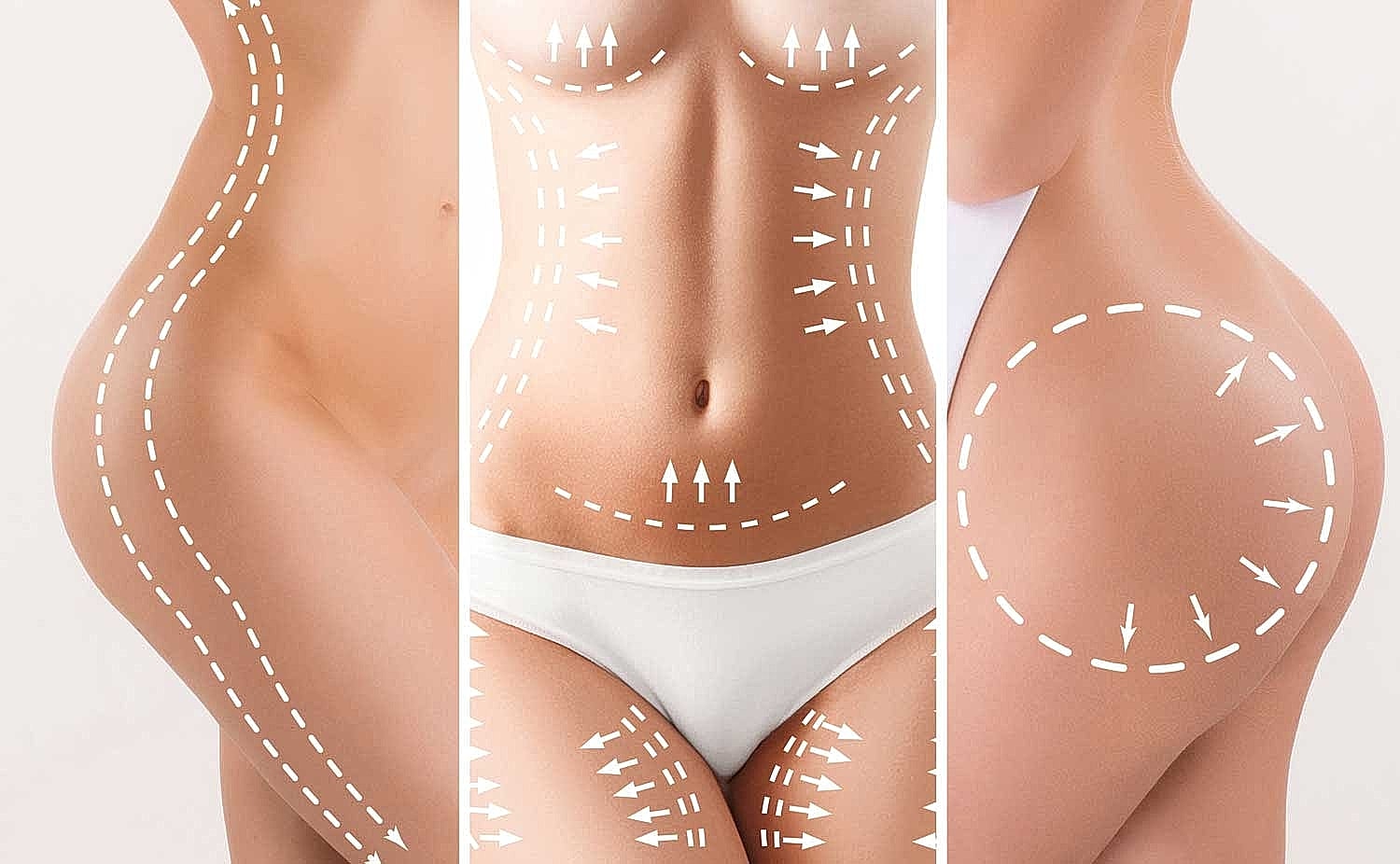
A mommy makeover is a combination of procedures — typically a tummy tuck, breast lift or augmentation, and liposuction — performed in a single operation to restore the body after pregnancy and breastfeeding. It addresses the most common concerns: abdominal skin laxity, muscle separation, loss of breast volume, and localised fat deposits.
View details
 SurgicalBody
Panniculectomy
No reviews yet
View details
 SurgicalBody
Pec Implants
No reviews yet
View details
 SurgicalBody
Power-Assisted Liposuction (PAL)
No reviews yet
View details
 Body
BodyRF / Ultrasound Body Contouring
No reviews yet
RF (radiofrequency) and ultrasound body contouring combines two energy types to simultaneously target fat reduction and skin tightening. RF heats the deeper layers to destroy fat and stimulate collagen, while ultrasound (such as cavitation) disrupts fat cell membranes. Combined, they improve body contour without surgery.
View details
 SurgicalBody
SAFELipo
No reviews yet
View details
 Body
BodyScar Removal
No reviews yet
View details
 SurgicalBody
SlimLipo
No reviews yet
View details
 SurgicalBody
Smart Lipo
No reviews yet
View details
 SurgicalBody
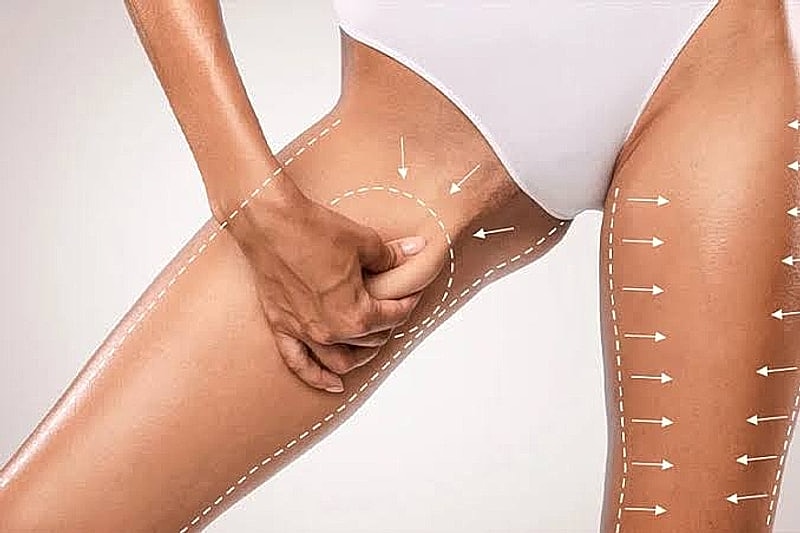
Thigh Lift
No reviews yet•PKR 2.5L–6L
A thigh lift removes excess skin and fat from the inner or outer thighs, improving contour and eliminating skin folds that develop after massive weight loss or with ageing. The procedure reshapes the thighs for a smoother, more proportionate appearance.
View details
 SurgicalBody
Tickle Lipo
No reviews yet
View details
 SurgicalBody
Transgender Body Contouring
No reviews yet
View details
 SurgicalBody
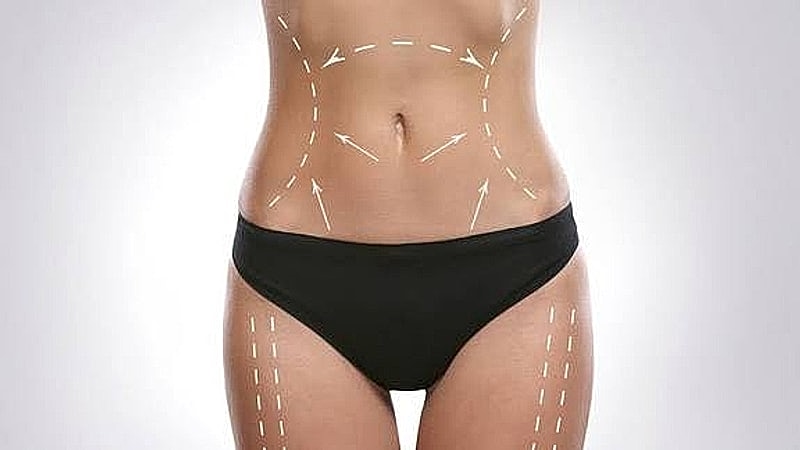
Tumescent Liposuction
No reviews yet
View details
 SurgicalBody
Tummy Tuck (Abdominoplasty)
No reviews yet•PKR 3.5L–8L
A tummy tuck (abdominoplasty) removes excess abdominal skin and fat and tightens the abdominal muscles (rectus diastasis repair) to flatten and reshape the abdomen. It is most commonly sought after significant weight loss or following pregnancy, when skin laxity and muscle separation cannot be corrected with diet and exercise alone.
View details
 SurgicalBody
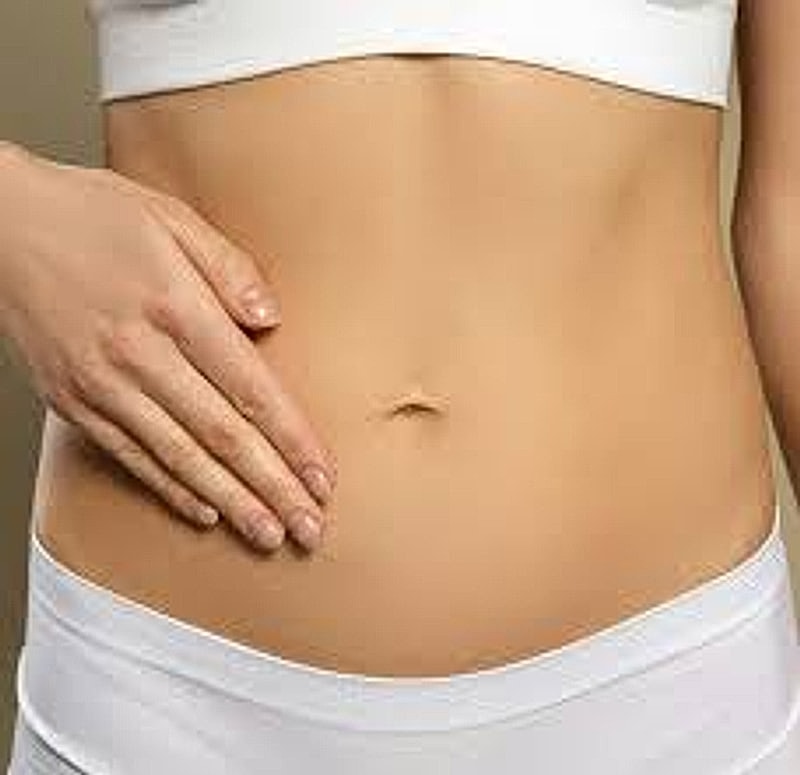
Tummy Tuck Revision
No reviews yet
View details
 SurgicalBody
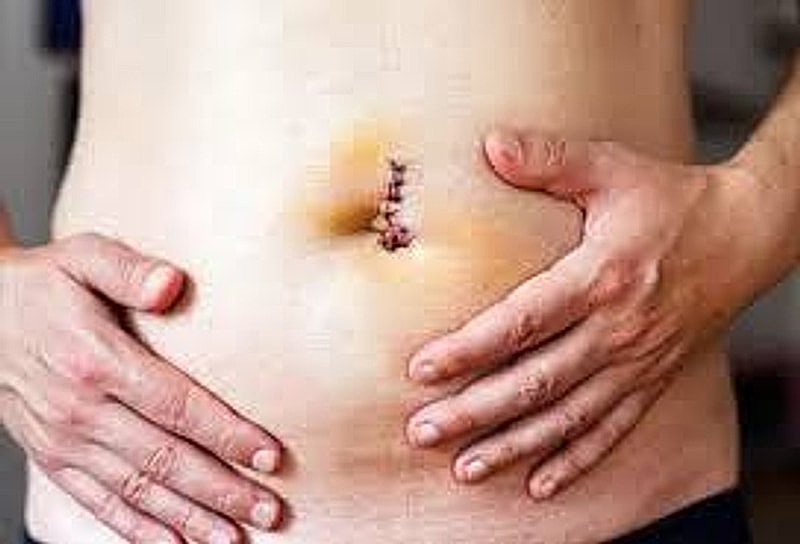
Umbilical Hernia Repair
No reviews yet
View details
 SurgicalBody
VASER Liposuction
No reviews yet
VASER liposuction uses ultrasonic energy to emulsify (liquefy) fat before it is suctioned out. The ultrasound targets fat cells specifically while minimising disruption to surrounding blood vessels, nerves, and connective tissue, resulting in smoother results and a faster recovery than traditional liposuction.
View details
 Body Contouring
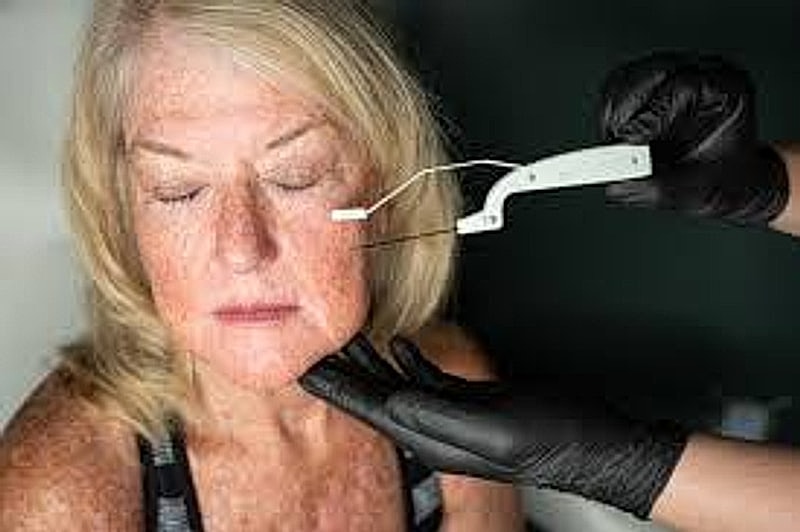
AccuTite
No reviews yet
View details
 Body Contouring
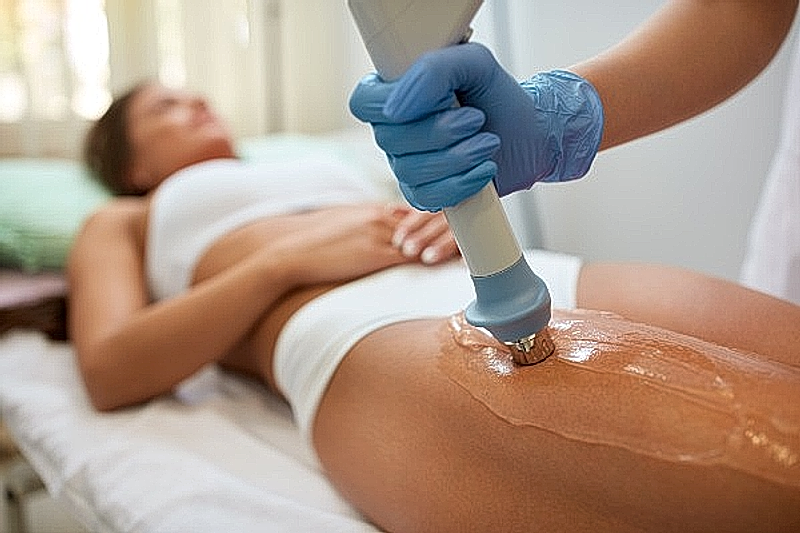
Acoustic Wave Therapy
No reviews yet
View details
 Body Contouring
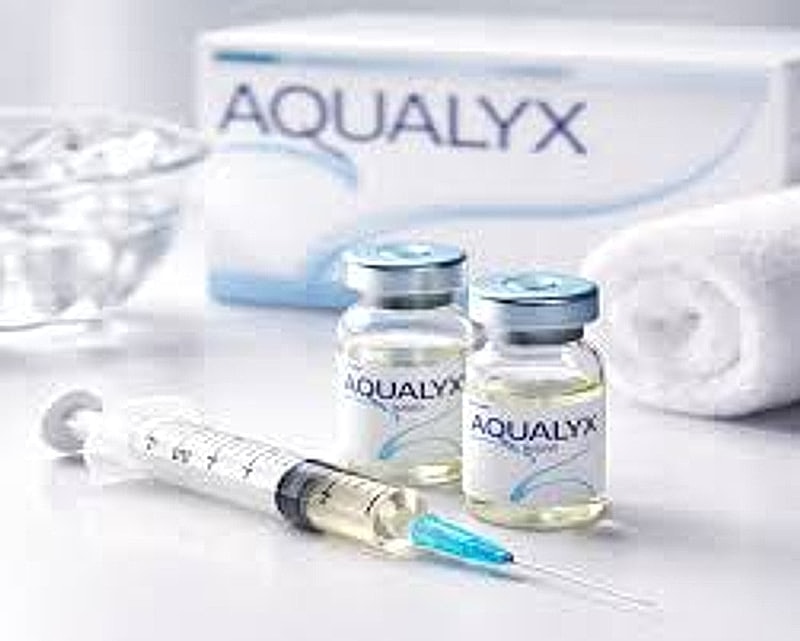
Aqualyx
No reviews yet
View details
 Body Contouring
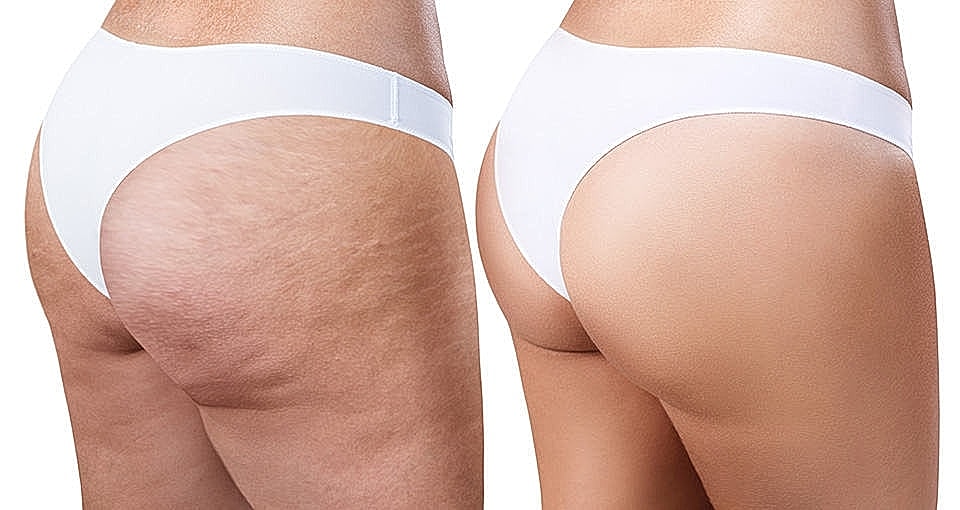
Aveli
No reviews yet
View details
 Body Contouring
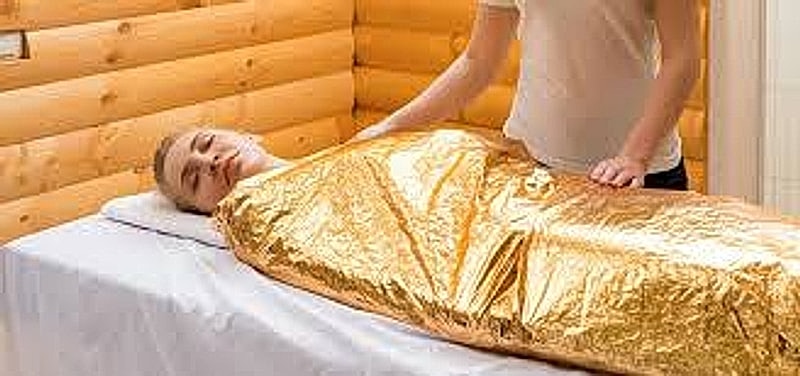
Body Wrap
No reviews yet
View details
 Body Contouring
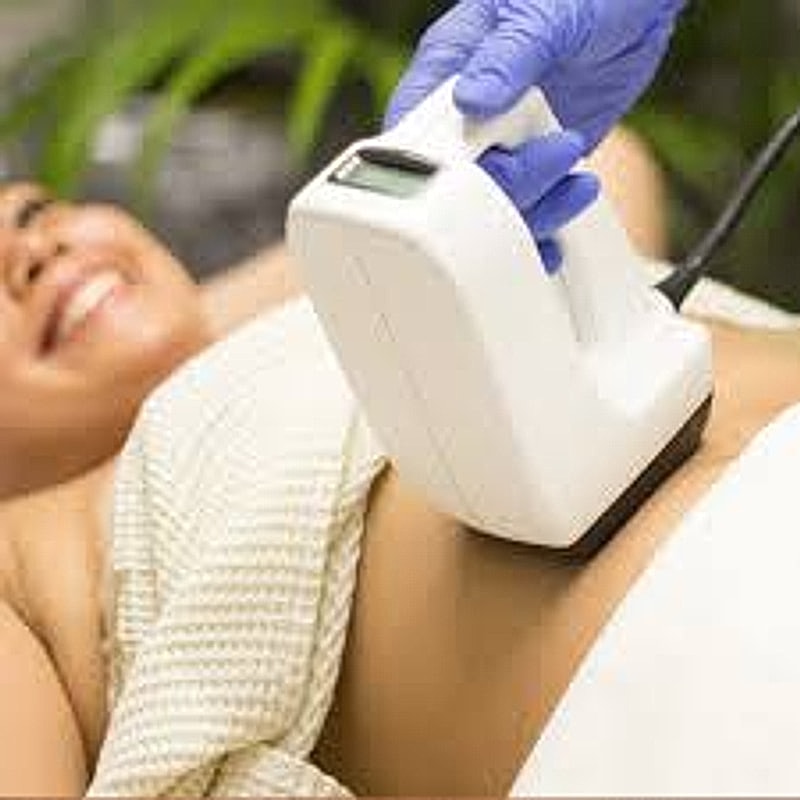
BodyFX
No reviews yet
View details
 Body Contouring
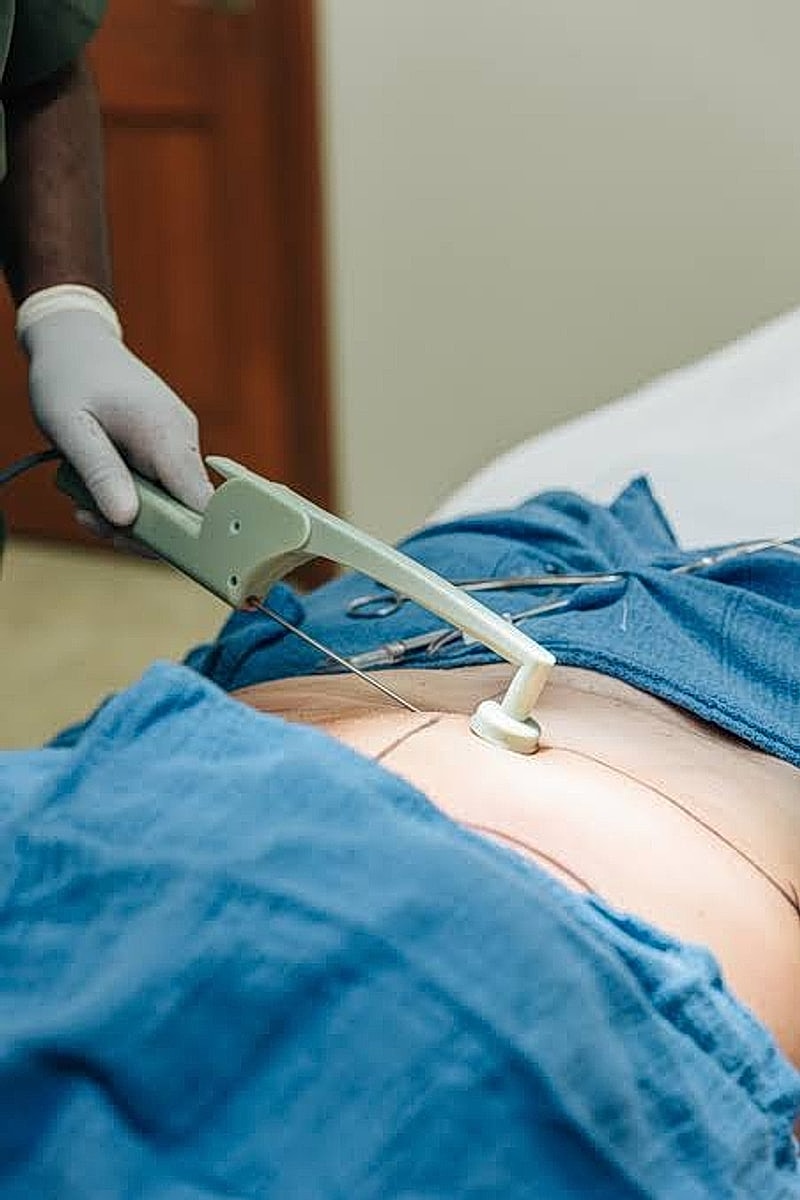
BodyTite
No reviews yet
View details
 Body Contouring
Carboxytherapy
No reviews yet
View details
 Body Contouring
Cellfina
No reviews yet
View details
 Body Contouring
Cellulaze
No reviews yet
View details
 Body Contouring
CoolSculpting
No reviews yet
View details
 Body Contouring
CoolTone
No reviews yet
View details
 Body Contouring
Emsculpt
No reviews yet
View details
 Body Contouring
Emsella
No reviews yet
View details
 Body Contouring
Emtone
No reviews yet
View details
 Body Contouring
Endermologie
No reviews yet
View details
 Body Contouring
Endolift
No reviews yet
View details
 Body Contouring
Eon
No reviews yet
View details
 Body Contouring
Evolve
No reviews yet
View details
 Body Contouring
Exilis
No reviews yet
View details
 Body Contouring
FasciaBlaster
No reviews yet
View details
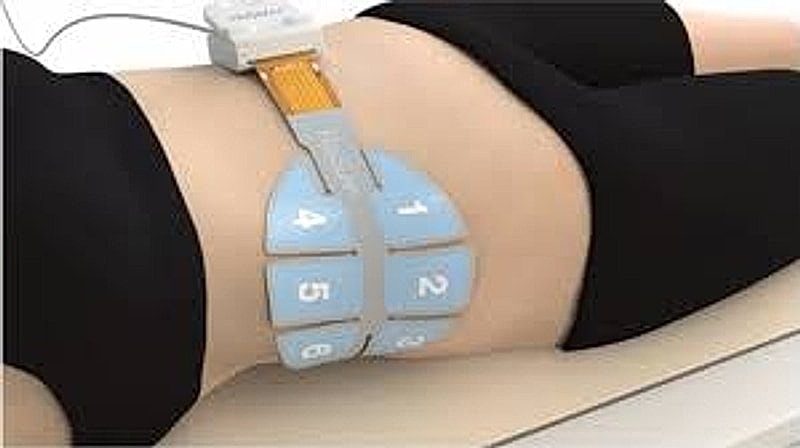 Body Contouring
FlexSure
No reviews yet
View details
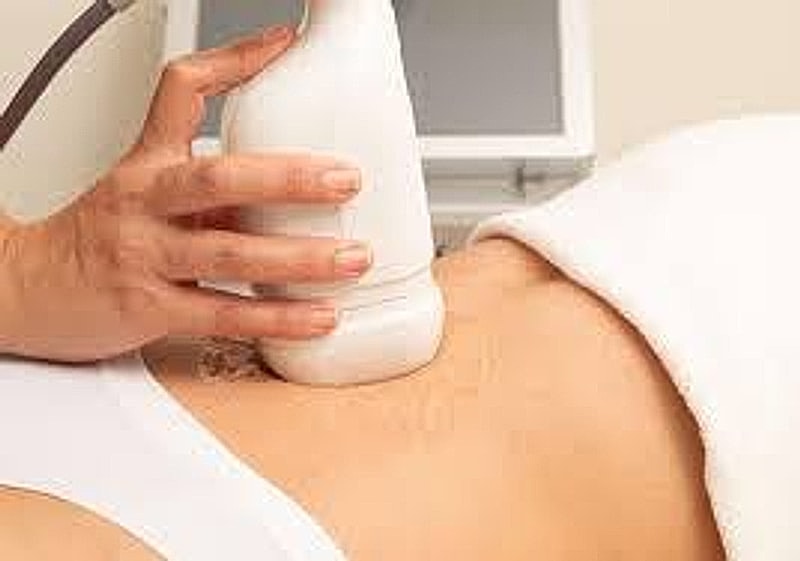 Body Contouring
Liposonix
No reviews yet
View details
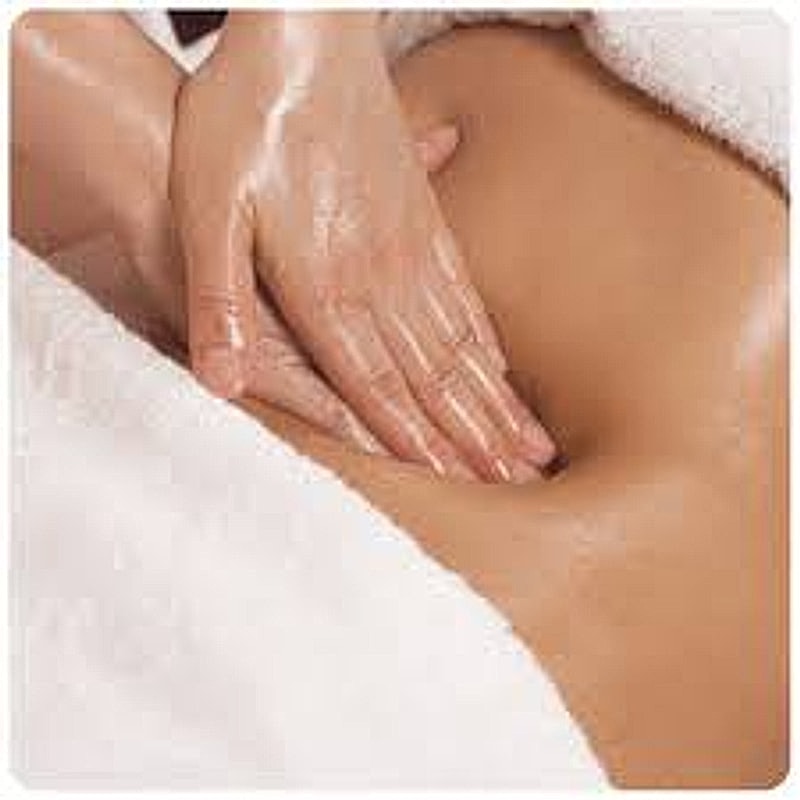 Body Contouring
Lymphatic Massage
No reviews yet
View details
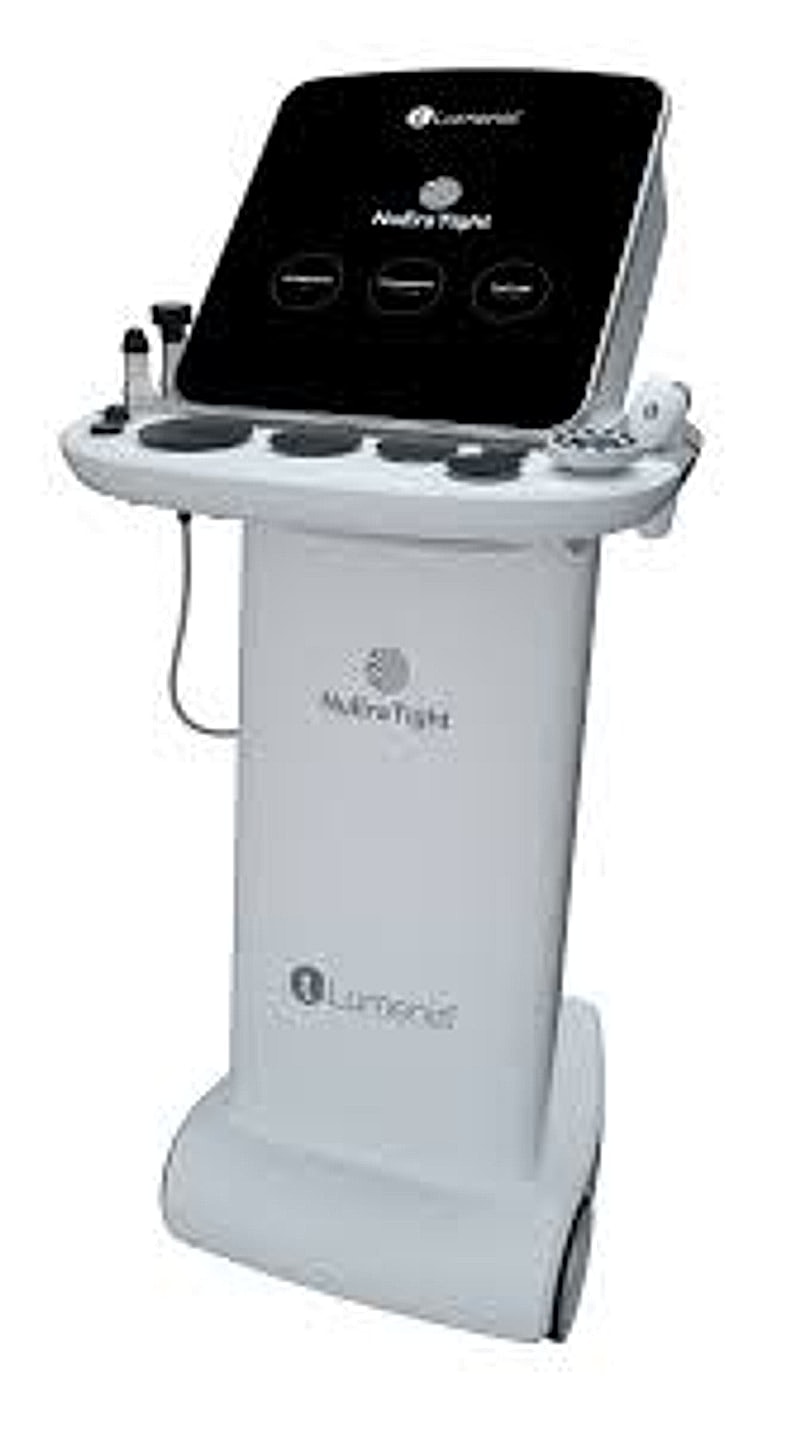 Body Contouring
NuEra Tight
No reviews yet
View details
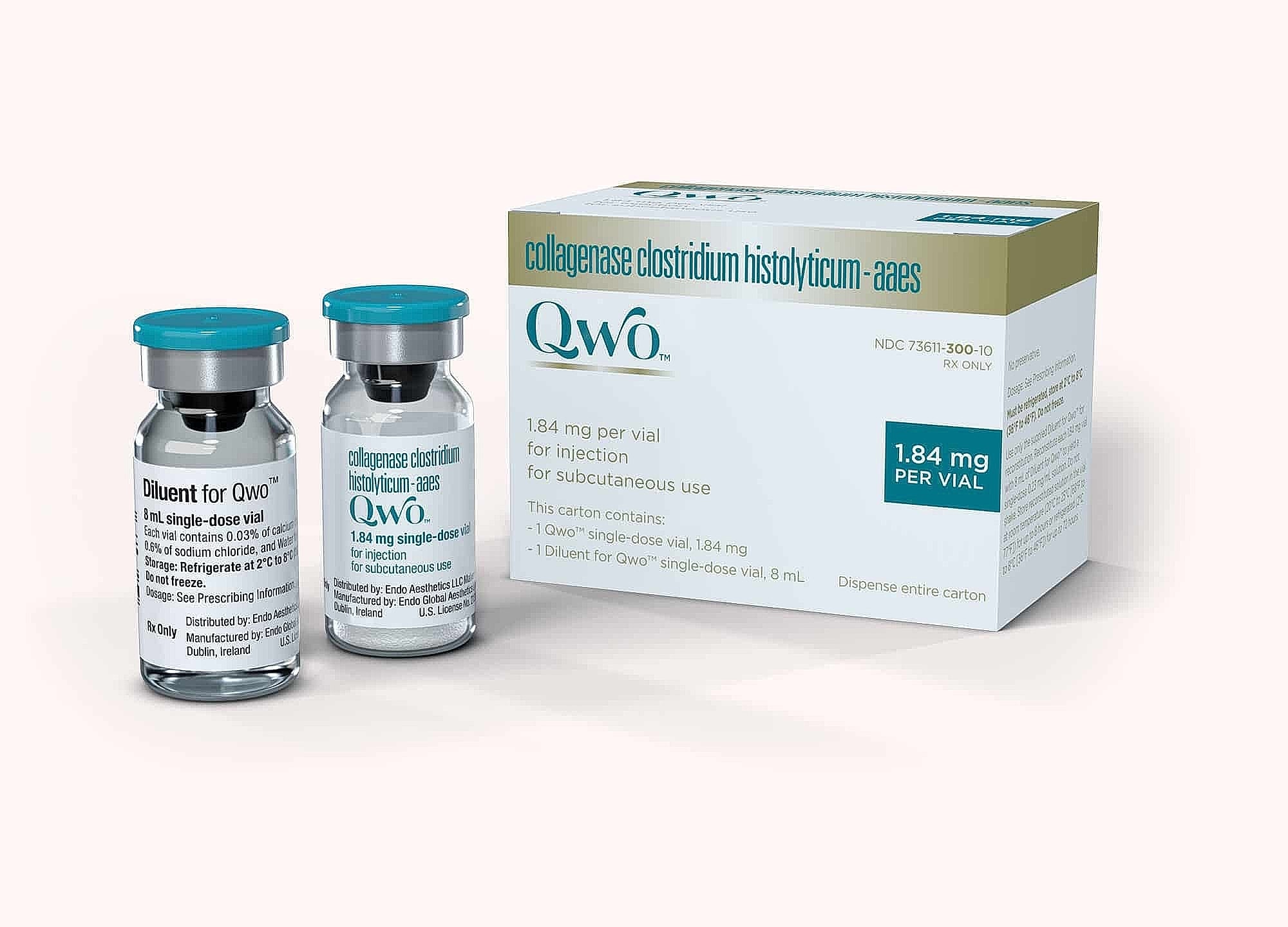 Body Contouring
Qwo
No reviews yet
View details
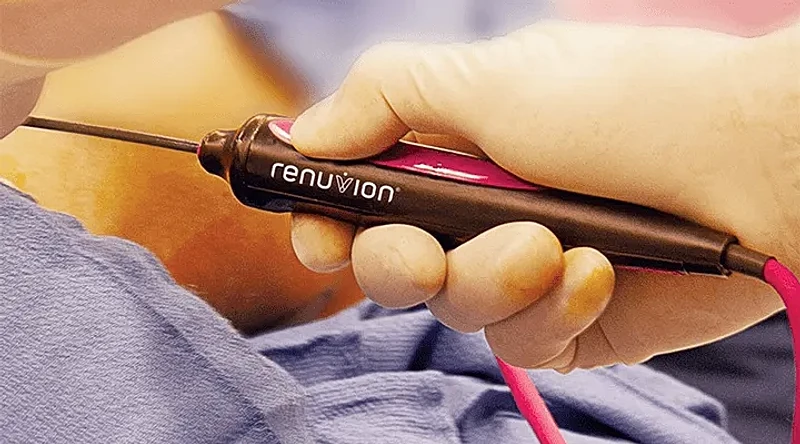 Body Contouring
Renuvion
No reviews yet
View details
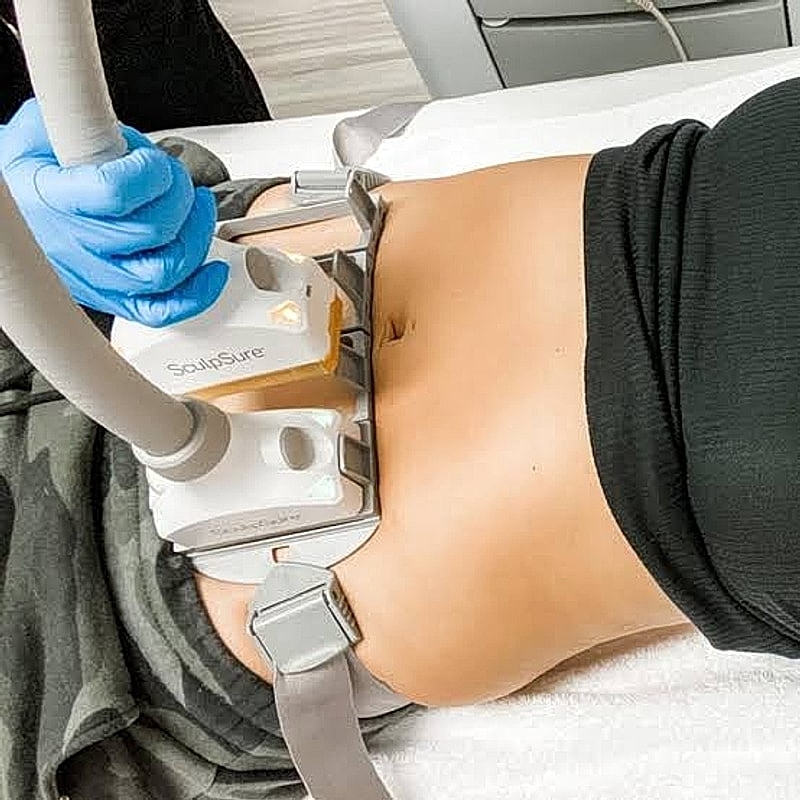 Body Contouring
SculpSure
No reviews yet
View details
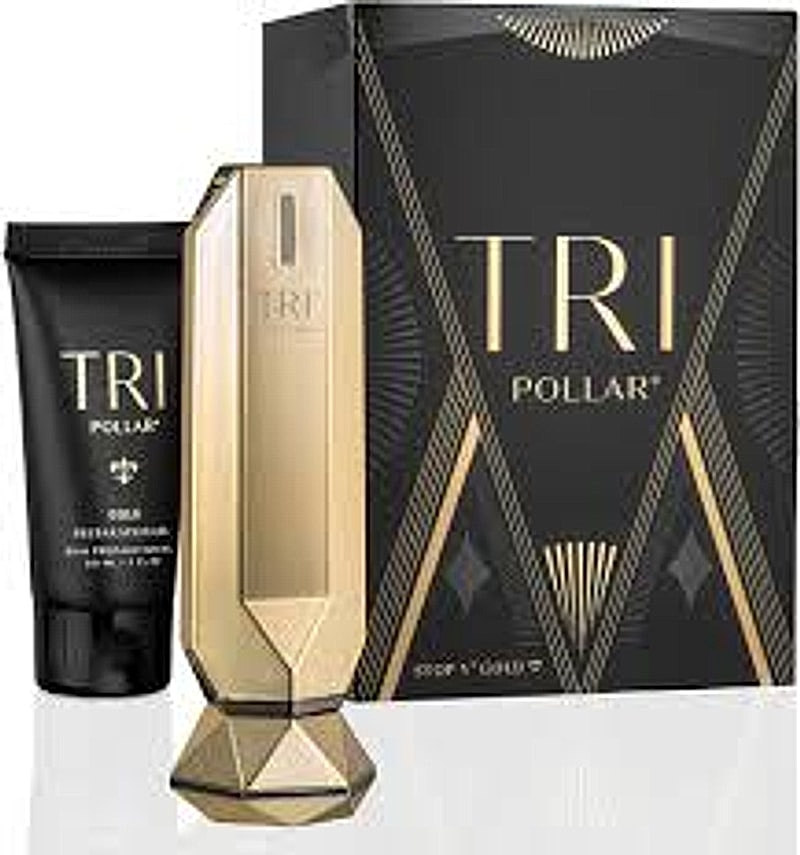 Body Contouring
TriPollar
No reviews yet
View details
 Body Contouring
UltraShape
No reviews yet
View details
 Body Contouring
UltraShape Power
No reviews yet
View details
 Body Contouring
UltraSlim
No reviews yet
View details
 Body Contouring
Ultrasonic Cavitation
No reviews yet
View details
 Body Contouring
Vanquish
No reviews yet
View details
 Body Contouring
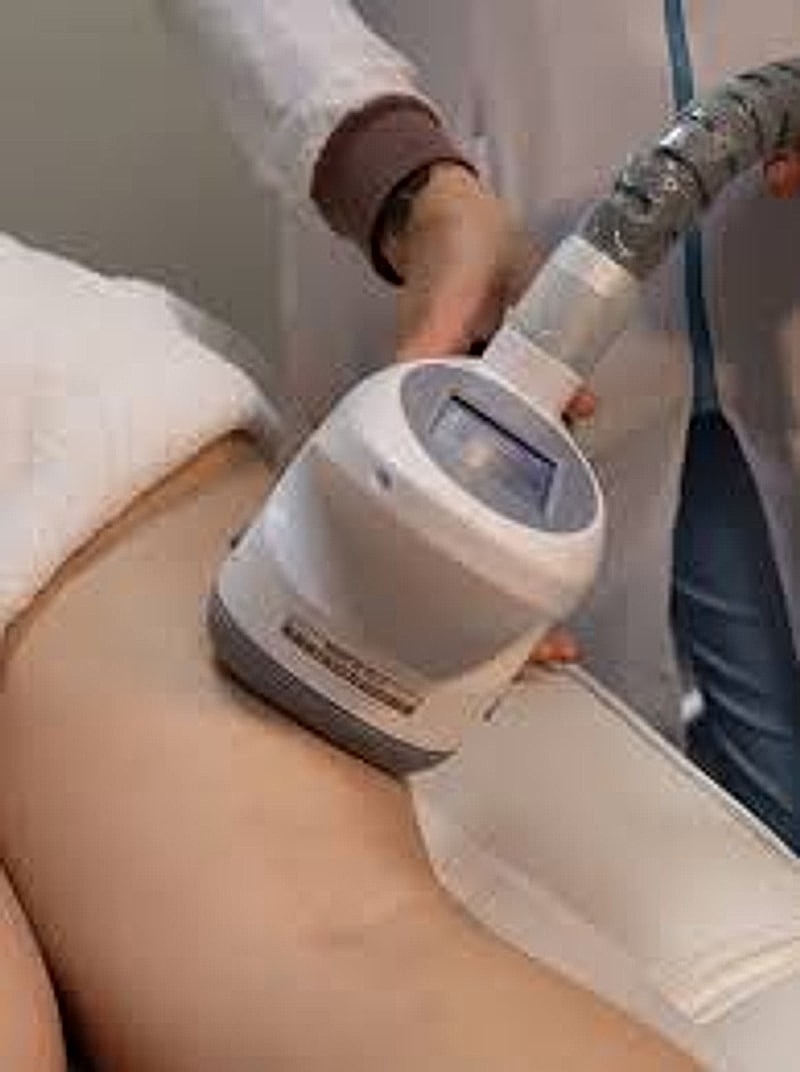
Velashape
No reviews yet
View details
 Body Contouring
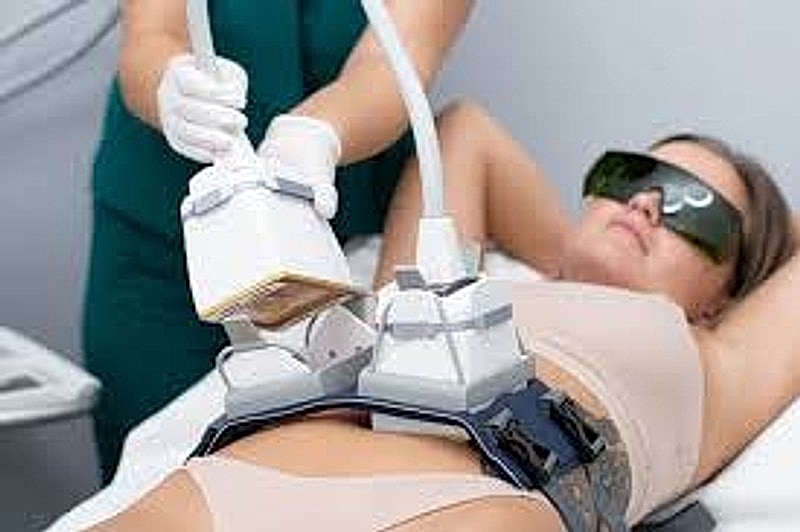
Venus Bliss Max
No reviews yet
View details
 Body Contouring
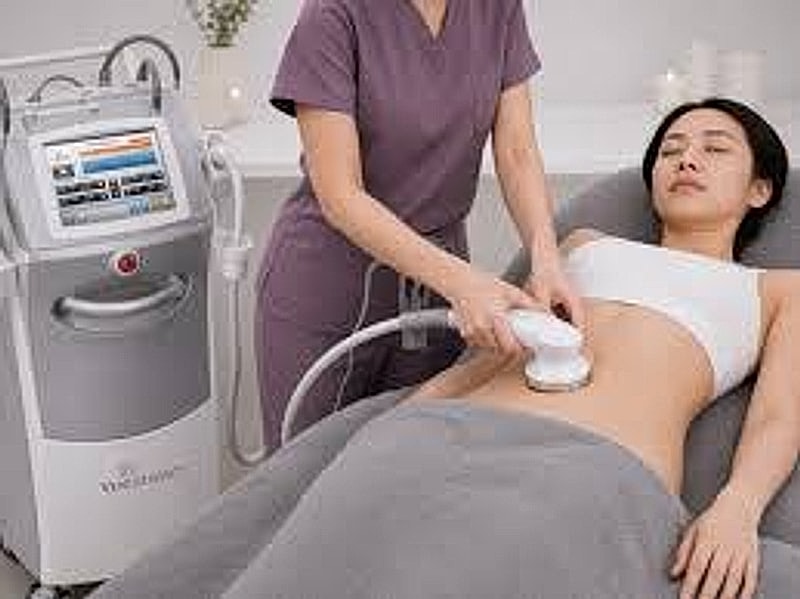
Venus Legacy
No reviews yet
View details
 Body Contouring
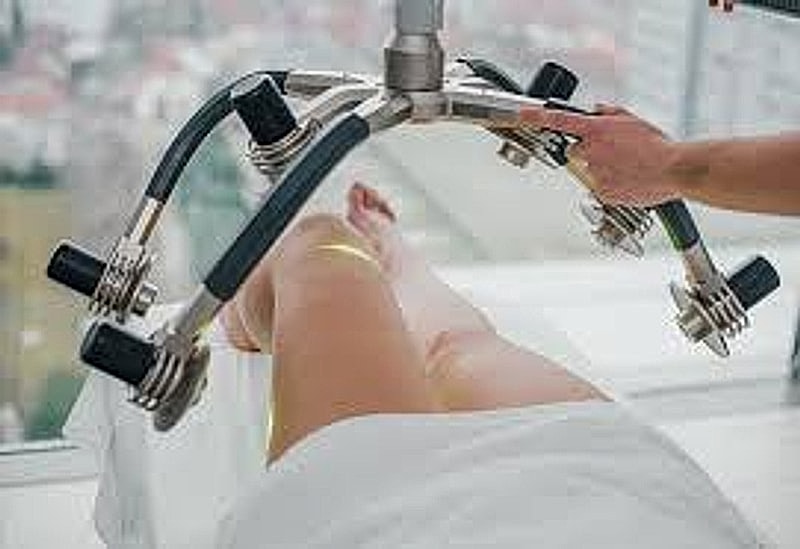
Zerona
No reviews yet
View details
 Body Contouring
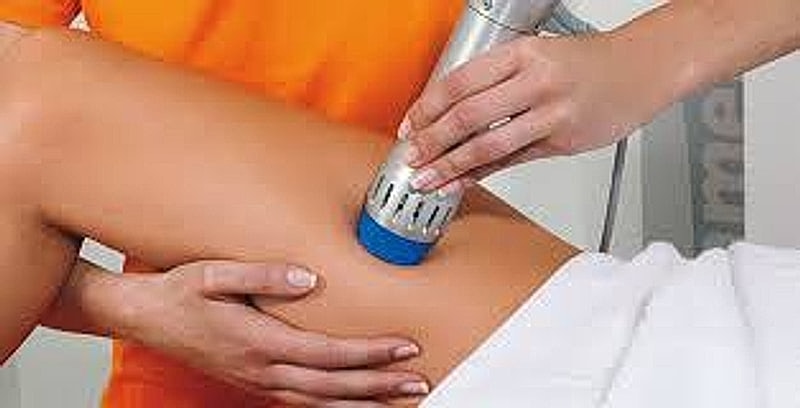
Zimmer ZWave
No reviews yet
View details
 Body Contouring
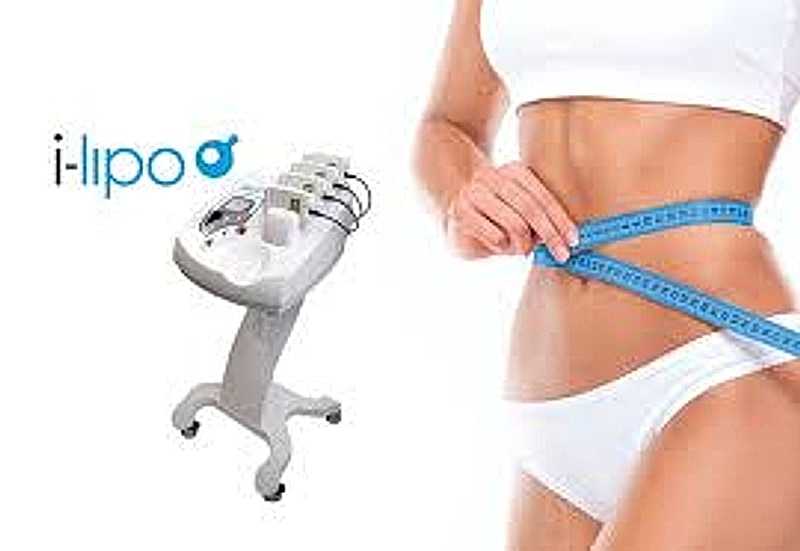
i-Lipo
No reviews yet
View details
 Body Contouring
truBody
No reviews yet
View details
 Body Contouring
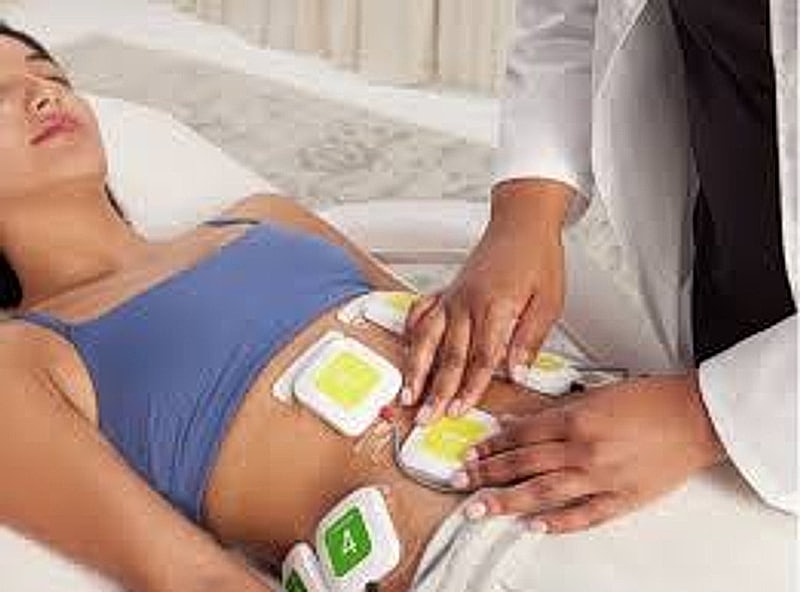
truFlex
No reviews yet
View details
 Body Contouring
truSculpt
No reviews yet
View details
 Body Contouring
truSculpt 3D
No reviews yet
View details
 SurgicalBreast
AlloDerm
No reviews yet
View details
 SurgicalBreast
Areola Reduction
No reviews yet
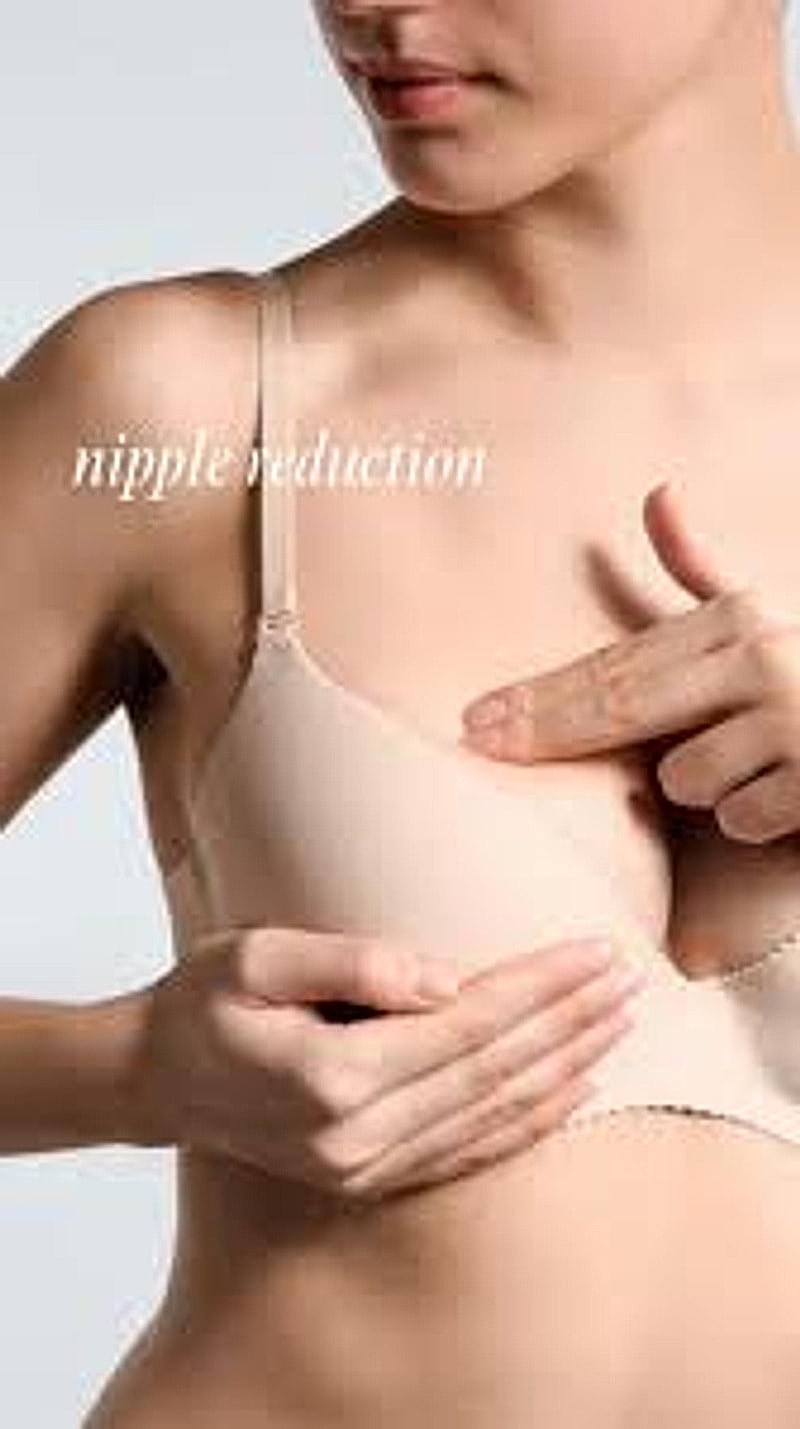
Areola reduction surgically reduces the diameter of the areola — the pigmented circle around the nipple — which may have enlarged due to pregnancy, breastfeeding, weight gain, or natural variation. It can be performed as a standalone procedure or combined with a breast lift or augmentation.
View details
 SurgicalBreast
Areola Reduction Surgery
No reviews yet
View details
 SurgicalBreast
BeautiFill
No reviews yet
View details
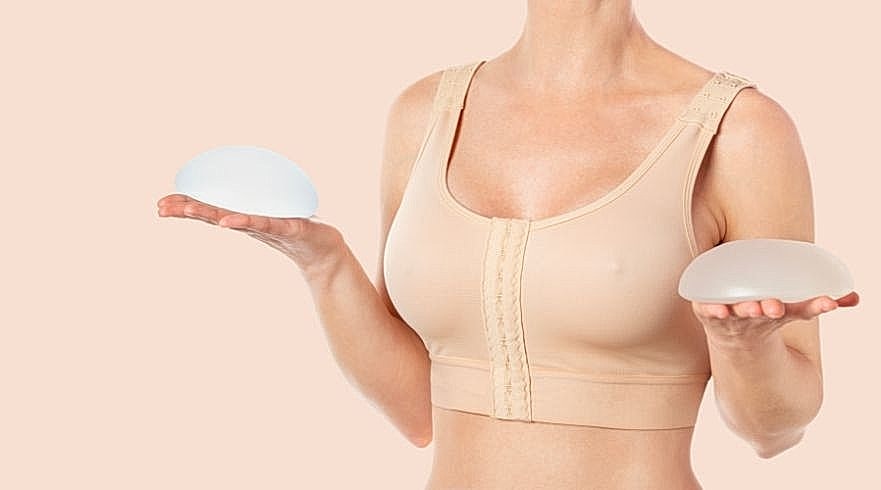 Breast
Breast Augmentation
No reviews yet•PKR 4L–9L
Breast augmentation increases the size, fullness, and projection of the breasts using implants or fat transfer. It is one of the most commonly performed plastic surgeries worldwide. Implant-based augmentation uses silicone or saline-filled prostheses, while fat transfer uses the patient's own fat for a more modest, natural enhancement.
View details
 SurgicalBreast
Breast Augmentation (Fat Transfer)
No reviews yet
Fat transfer breast augmentation uses liposuction to harvest fat from another body area and injects it into the breasts to achieve a natural-looking, modest increase in size — approximately half to one full cup size. It suits patients who want a subtle enhancement without implants and have sufficient donor fat.
View details
 SurgicalBreast
Breast Augmentation (Implants)
No reviews yet
Implant-based breast augmentation uses silicone gel or saline-filled implants to permanently increase breast volume, improve symmetry, and enhance shape. It remains the most effective method for achieving a significant and predictable size increase.
View details
 SurgicalBreast
Breast Fat Transfer
No reviews yet
View details
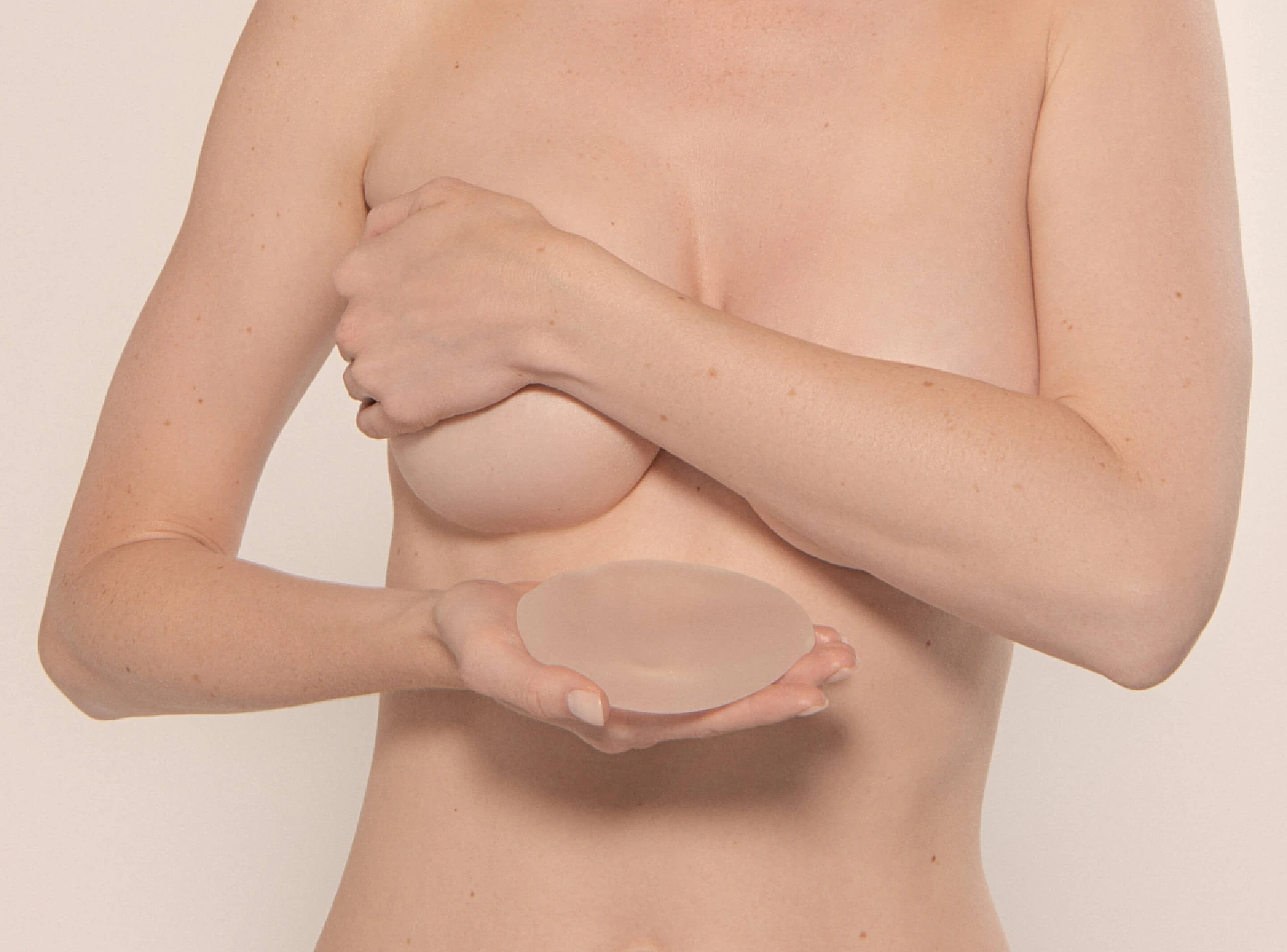 SurgicalBreast
Breast Implant Removal
No reviews yet•PKR 2L–5L
Breast implant removal (explantation) involves surgically removing breast implants that are no longer wanted, have ruptured, or have caused complications such as capsular contracture. Some patients choose removal and immediate replacement with new implants; others opt for removal alone, sometimes with a breast lift.
View details
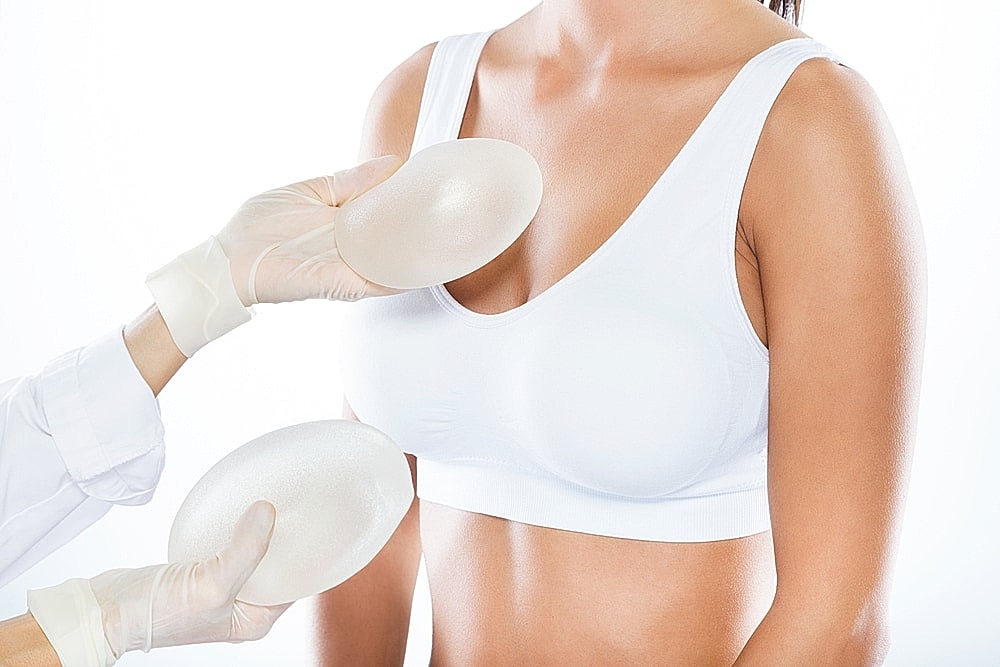 SurgicalBreast
Breast Implant Revision
No reviews yet
View details
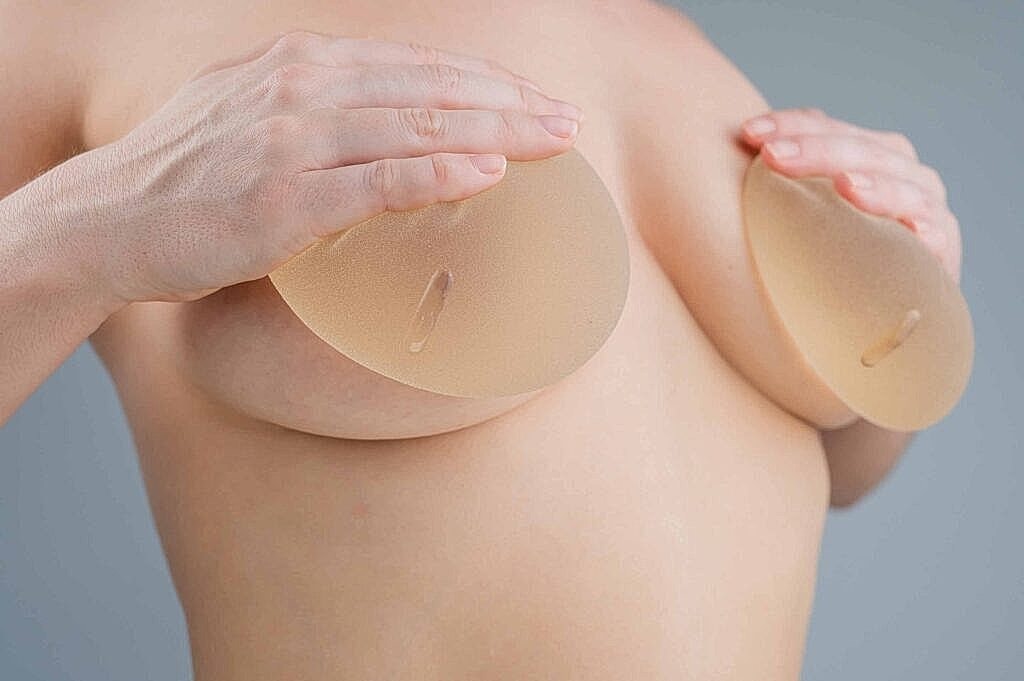 SurgicalBreast
Breast Implants
No reviews yet
View details
 SurgicalBreast
Breast Lift (Mastopexy)
No reviews yet•PKR 3L–7L
A breast lift (mastopexy) raises and reshapes sagging breasts by removing excess skin and repositioning the nipple-areola complex to a higher, more forward position. It does not significantly increase volume — patients who also want fullness typically combine a lift with implants.
View details
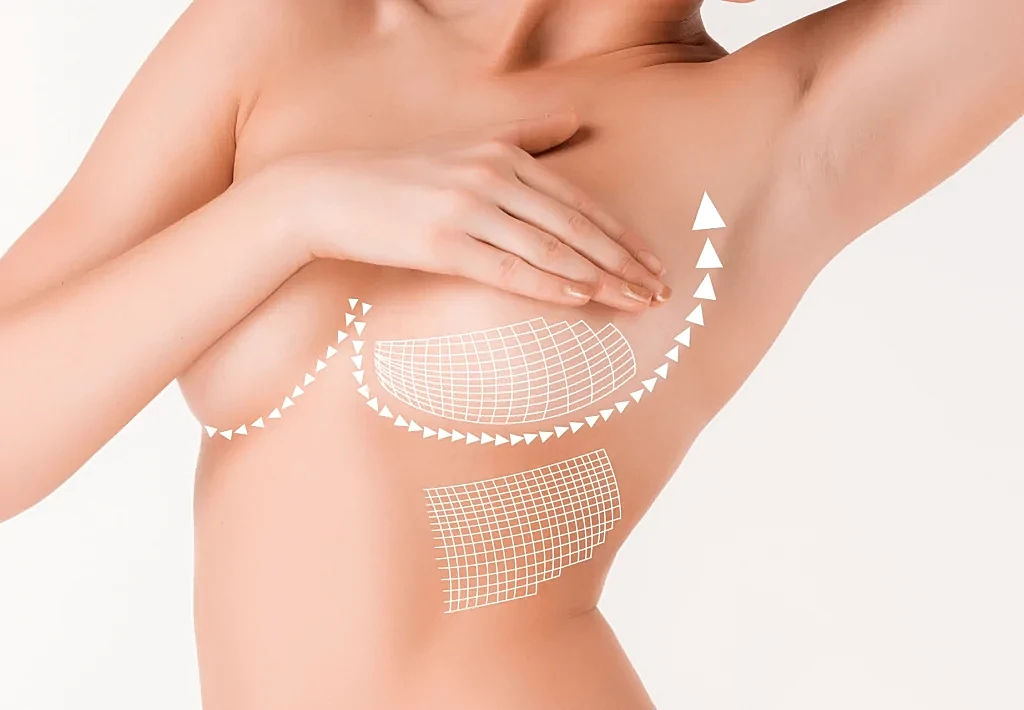 SurgicalBreast
Breast Lift with Implants
No reviews yet
View details
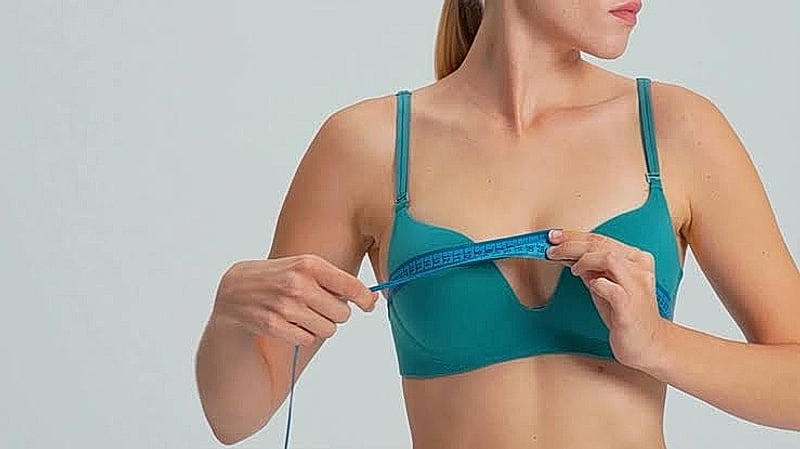 SurgicalBreast
Breast Reconstruction
No reviews yet•PKR 5L–15L
Breast reconstruction rebuilds the breast mound after mastectomy or lumpectomy. It can be performed using implants, the patient's own tissue (flap surgery), or a combination of both. Reconstruction can be immediate (at the time of mastectomy) or delayed, and is typically covered under medical insurance in most countries.
View details
 SurgicalBreast
Breast Reconstruction Revision
No reviews yet
View details
 SurgicalBreast
Breast Reduction
No reviews yet•PKR 3.5L–8L
Breast reduction surgery removes excess breast tissue, fat, and skin to create smaller, lighter, and better-proportioned breasts. Patients seek it to relieve chronic neck, back, and shoulder pain, skin rashes under the breast fold, and difficulties with physical activity and finding well-fitting clothing.
View details
 SurgicalBreast
Capsular Contracture Treatment
No reviews yet
View details
 SurgicalBreast
Eurosilicone Breast Implants
No reviews yet
View details
 SurgicalBreast
Feminizing Top Surgery
No reviews yet
View details
 SurgicalBreast
GalaFLEX
No reviews yet
View details
 Breast
Gynecomastia (Male Breast Reduction)
No reviews yet•PKR 1.5L–4L
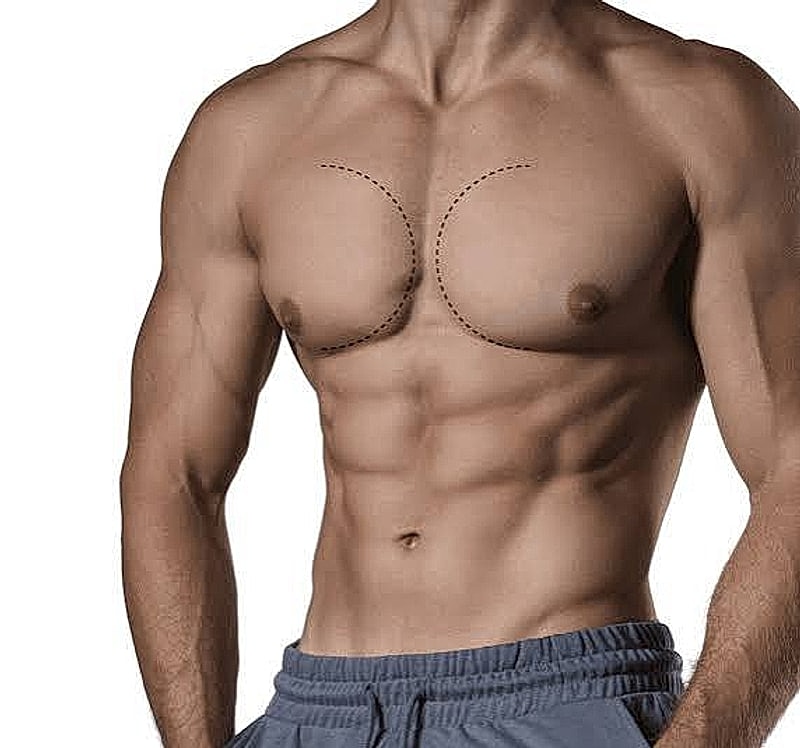
Gynecomastia is the enlargement of breast tissue in men, caused by an imbalance between oestrogen and testosterone. It is common at puberty (usually resolves), with medications, or due to weight gain. True gynecomastia involves glandular breast tissue, which cannot be removed by exercise or diet alone — surgery is the definitive treatment.
View details
 SurgicalBreast
Gynecomastia Surgery (Male Breast Reduction)
No reviews yet
Gynecomastia surgery specifically refers to the operative correction of male breast enlargement, typically combining glandular excision with liposuction. It is the definitive treatment when non-surgical management has failed or when true glandular tissue is present.
View details
 SurgicalBreast
Ideal Implant
No reviews yet
View details
 SurgicalBreast
Inspira Breast Implants
No reviews yet
View details
 SurgicalBreast
Inverted Nipple Correction
No reviews yet
Inverted nipple correction releases the fibrous bands beneath the nipple that prevent it from projecting naturally. Grade 1 inversions (evertible on stimulation) can sometimes be managed non-surgically, while Grade 2 and 3 inversions typically require surgical release.
View details
 SurgicalBreast
Inverted Nipple Surgery
No reviews yet
View details
 Breast
Macrolane
No reviews yet
View details
 SurgicalBreast
Mentor Breast Implants
No reviews yet
View details
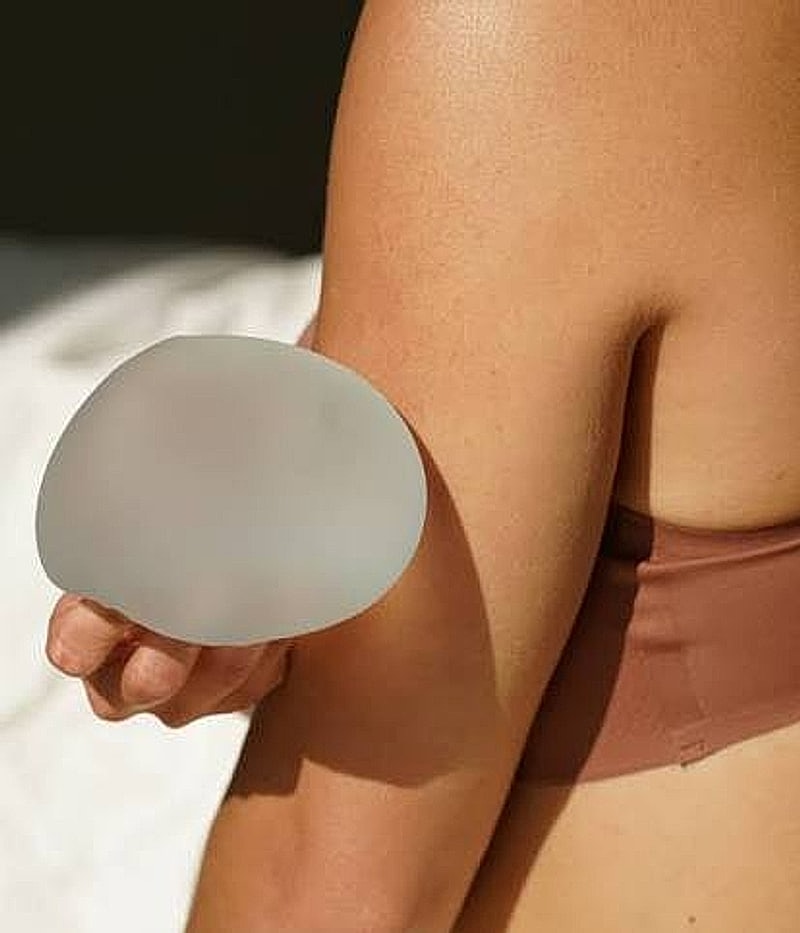 SurgicalBreast
Motiva Breast Implants
No reviews yet
View details
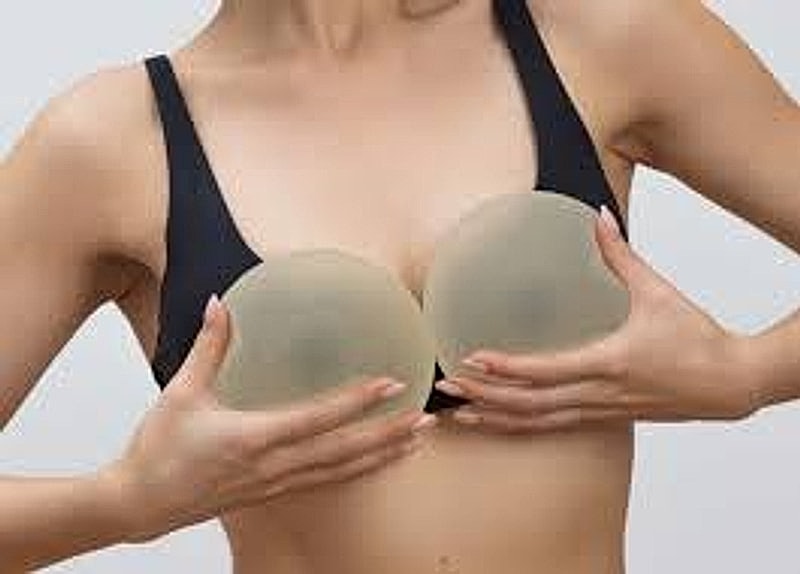 SurgicalBreast
Nagor Breast Implants
No reviews yet
View details
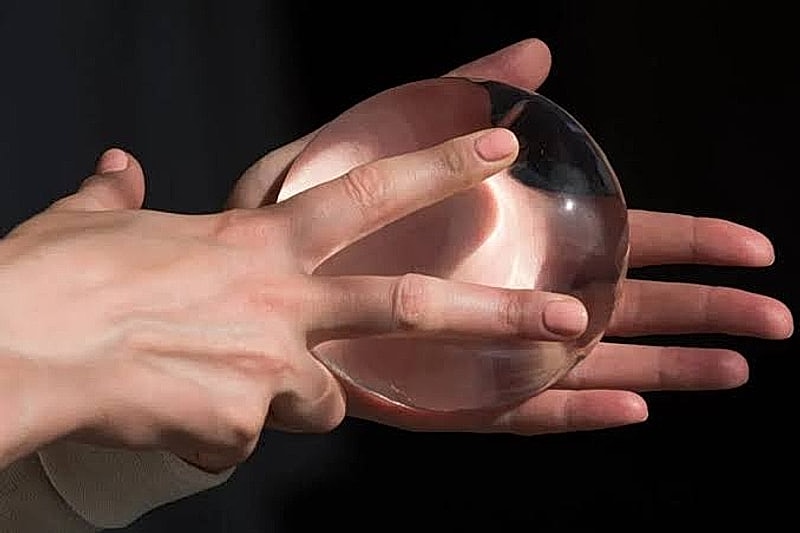 SurgicalBreast
Natrelle Breast Implants
No reviews yet
View details
 SurgicalBreast
Nipple Reduction
No reviews yet
View details
 Breast
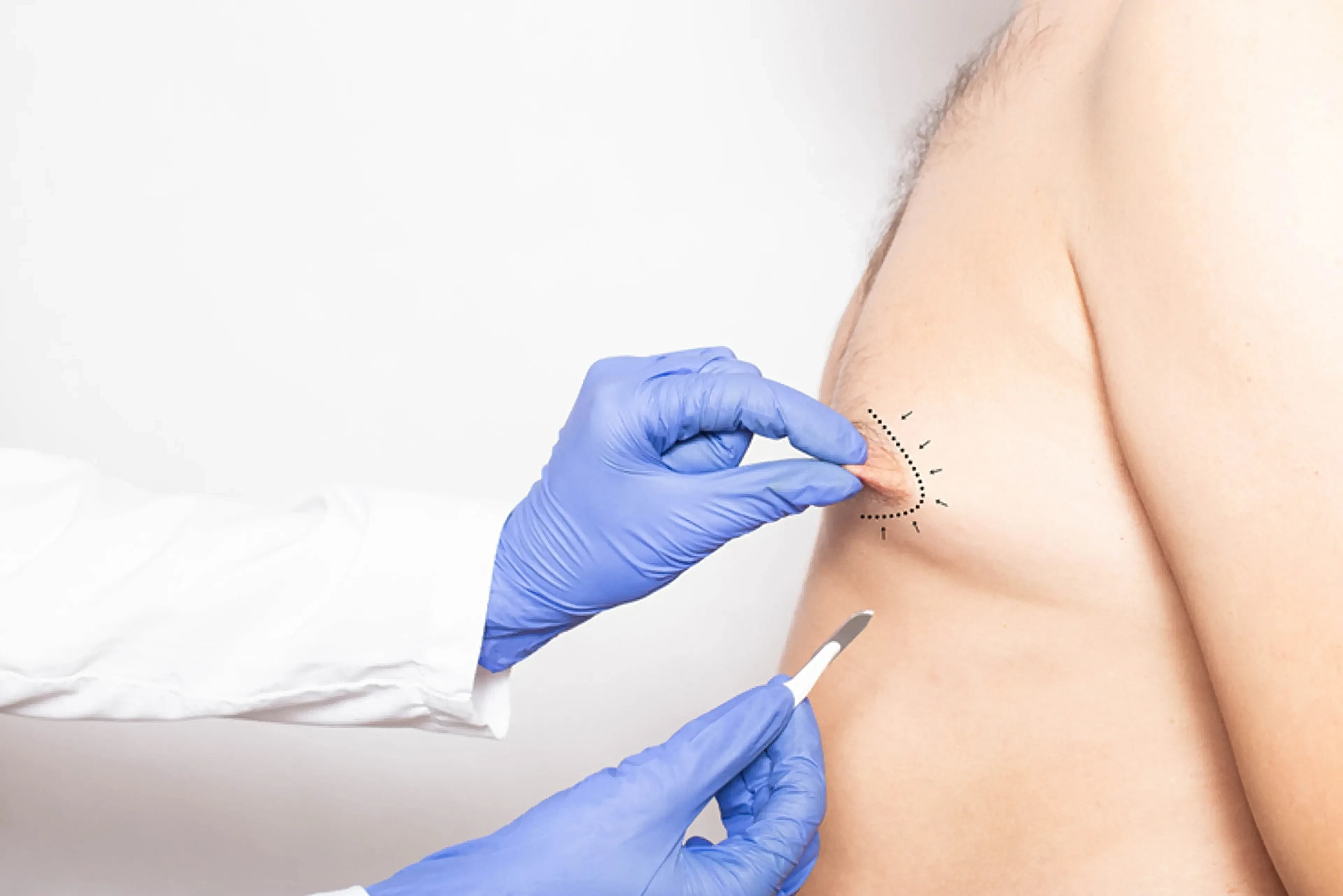
Nipple Surgery
No reviews yet•PKR 80k–2L
Nipple surgery addresses a range of nipple and areola concerns including inverted nipples, oversized or asymmetric areolas, and puffy or overly prominent nipples. These can be corrected with minor procedures under local anaesthesia, often combined with other breast surgery.
View details
 SurgicalBreast
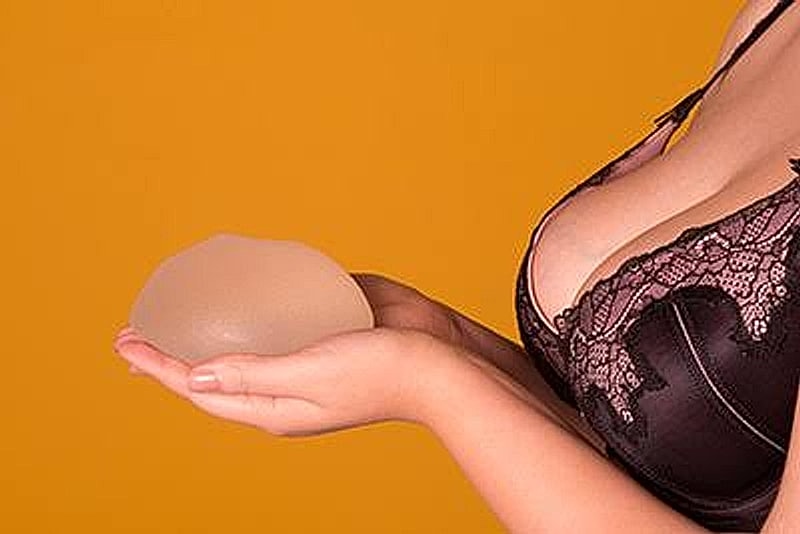
Sientra Breast Implants
No reviews yet
View details
 SurgicalBreast
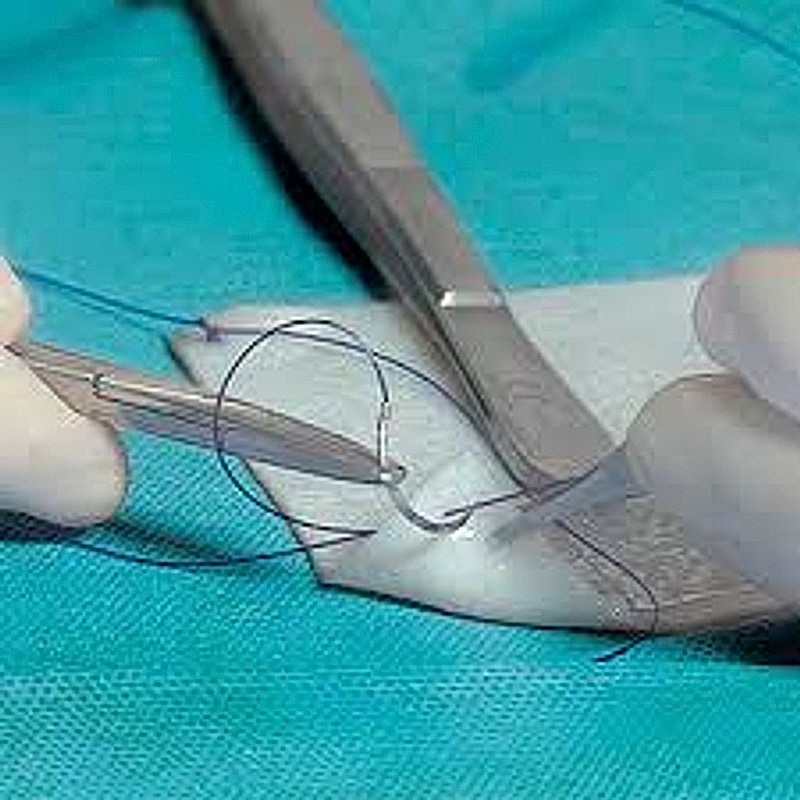
Strattice
No reviews yet
View details
 Breast
ThermiBreast
No reviews yet
View details
 SurgicalBreast
Tuberous Breast Correction Surgery
No reviews yet
View details
 Breast
Vampire Breast Lift
No reviews yet
View details
 Dental
All-on-4 / Full Arch Implants
No reviews yet•PKR 5L–12L
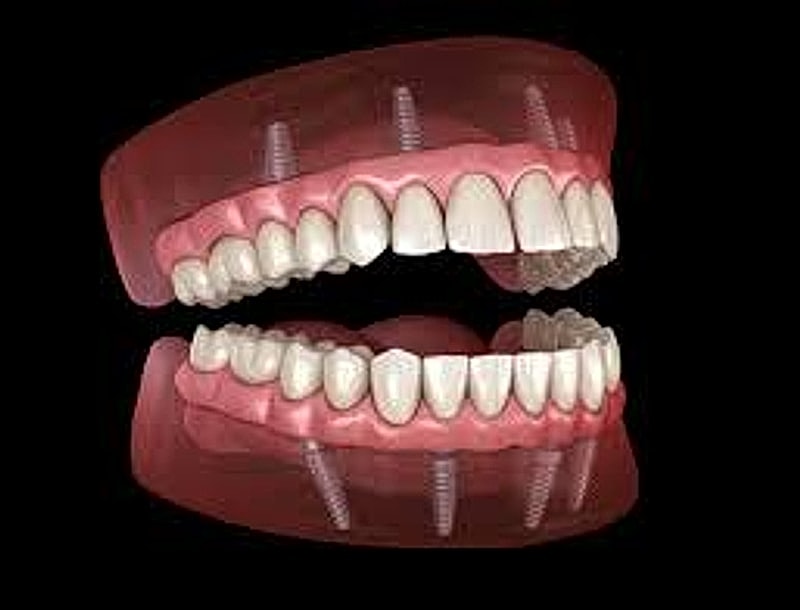
All-on-4 (Teeth in a Day) is a full-arch dental rehabilitation technique that supports a complete set of fixed prosthetic teeth on just four strategically placed implants. It is designed for patients who are fully or near-fully edentulous (toothless) or whose remaining teeth cannot be saved.
View details
 SurgicalDental
All-on-4 Dental Implants
No reviews yet
View details
 Dental
Braces
No reviews yet
View details
 Dental
BriteSmile
No reviews yet
View details
 SurgicalDental
Cataract Surgery
No reviews yet
View details
 Dental
Clear Braces
No reviews yet
View details
 SurgicalDental
ClearChoice Dental Implants
No reviews yet
View details
 Dental
Da Vinci Veneers
No reviews yet
View details
 Dental
Damon Braces
No reviews yet
View details
 Dental
Dental Bonding / Composite
No reviews yet•PKR 5k–20k
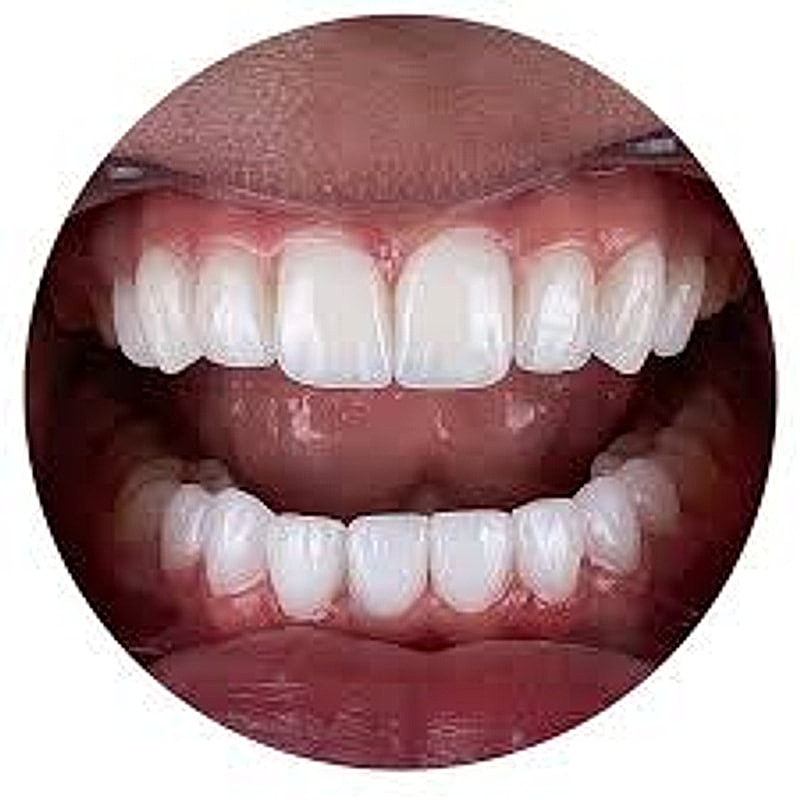
Dental bonding uses tooth-coloured composite resin applied directly to the tooth surface to repair chips, cracks, gaps, or discolouration. It is the most conservative and affordable cosmetic dental treatment — no enamel removal is required, and results are achieved in a single appointment.
View details
 SurgicalDental
Dental Bone Graft
No reviews yet
View details
 Dental
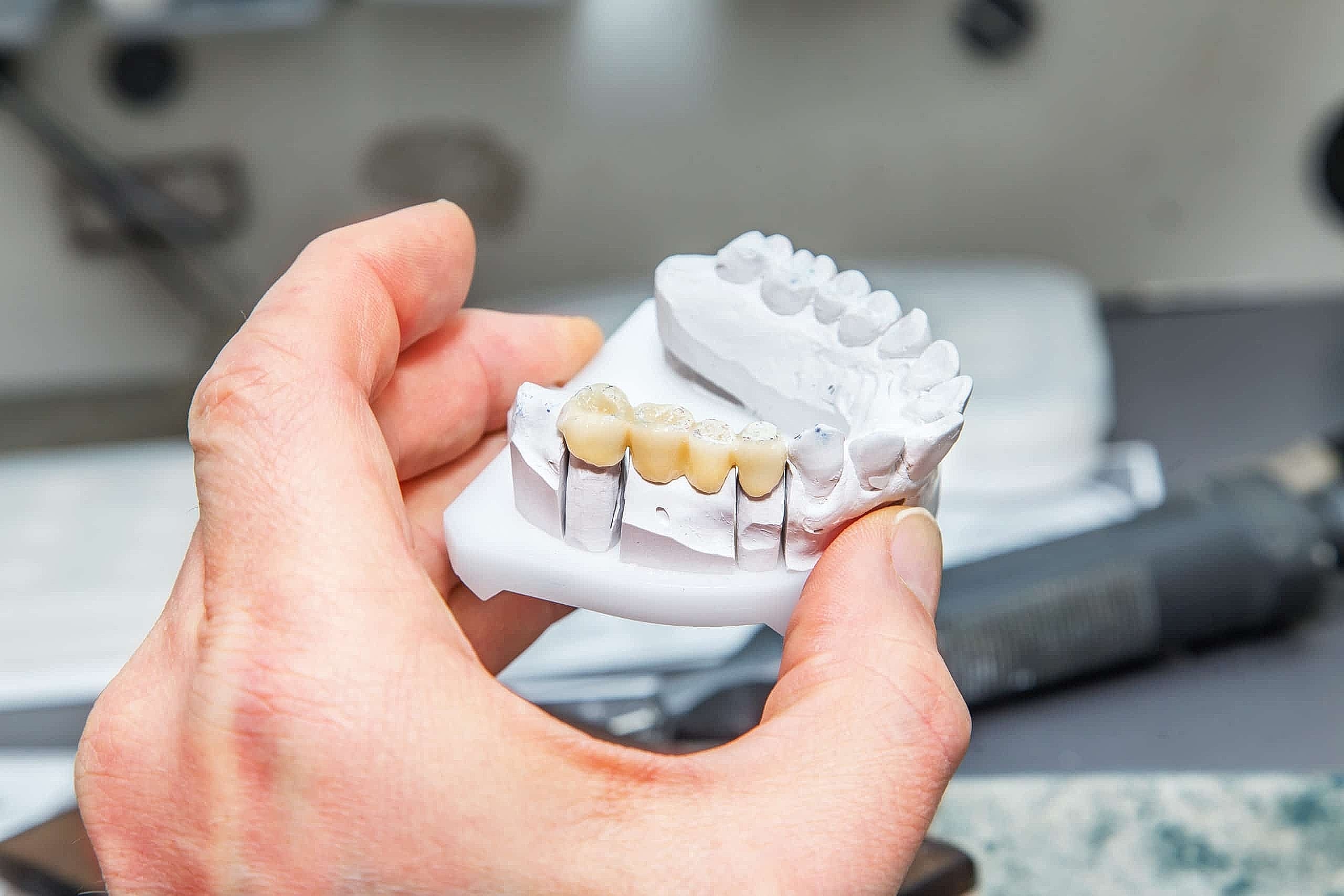
Dental Bridge
No reviews yet
View details
 Dental
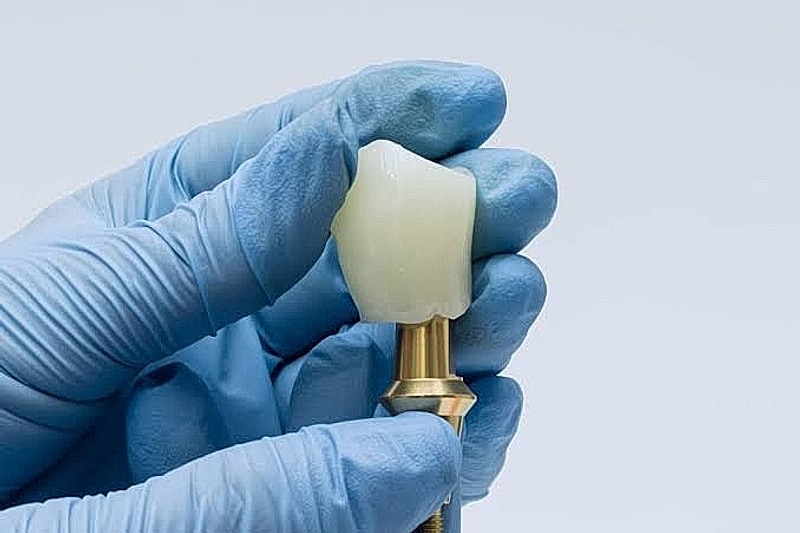
Dental Crown
No reviews yet
View details
 Dental
Dental Crowns & Bridges
No reviews yet•PKR 15k–45k
Dental crowns are full tooth caps that encase the entire visible portion of a tooth to restore its shape, strength, size, and appearance. They are used for badly decayed teeth, cracked or fractured teeth, teeth after root canal treatment, and as the final restoration on dental implants.
View details
 Dental
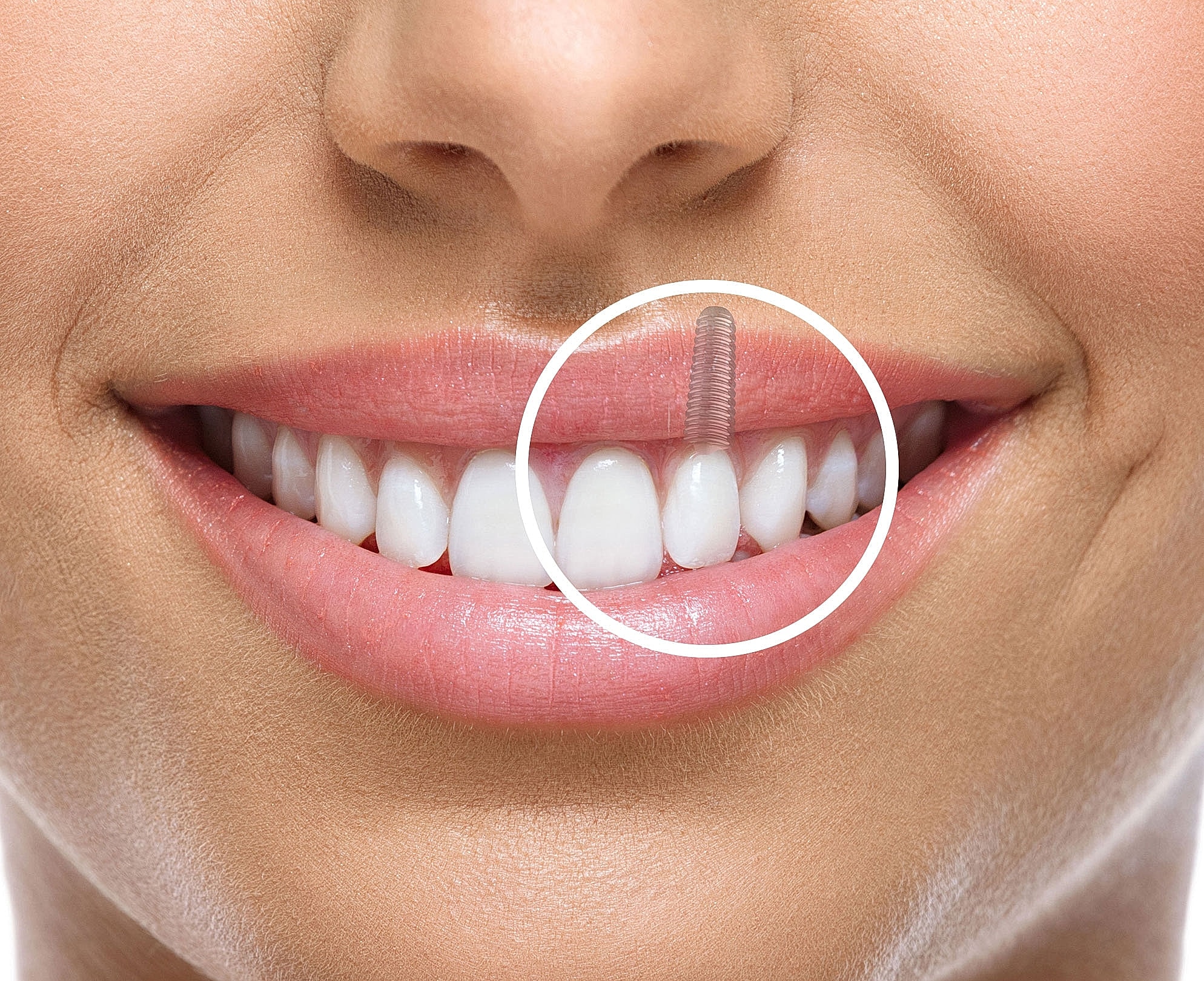
Dental Implants
No reviews yet•PKR 50k–1.5L
Dental implants are titanium posts surgically placed into the jawbone to serve as artificial tooth roots. A crown is attached to the implant, replacing a missing tooth with a permanent, natural-looking result. Implants preserve bone density and maintain the surrounding teeth's positions.
View details
 Dental
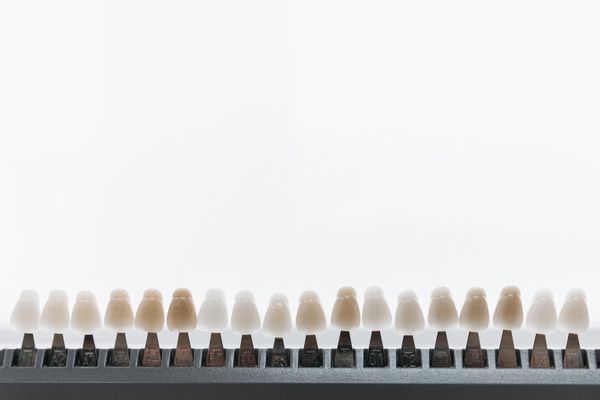
Dental Veneers / Laminates
No reviews yet•PKR 15k–50k
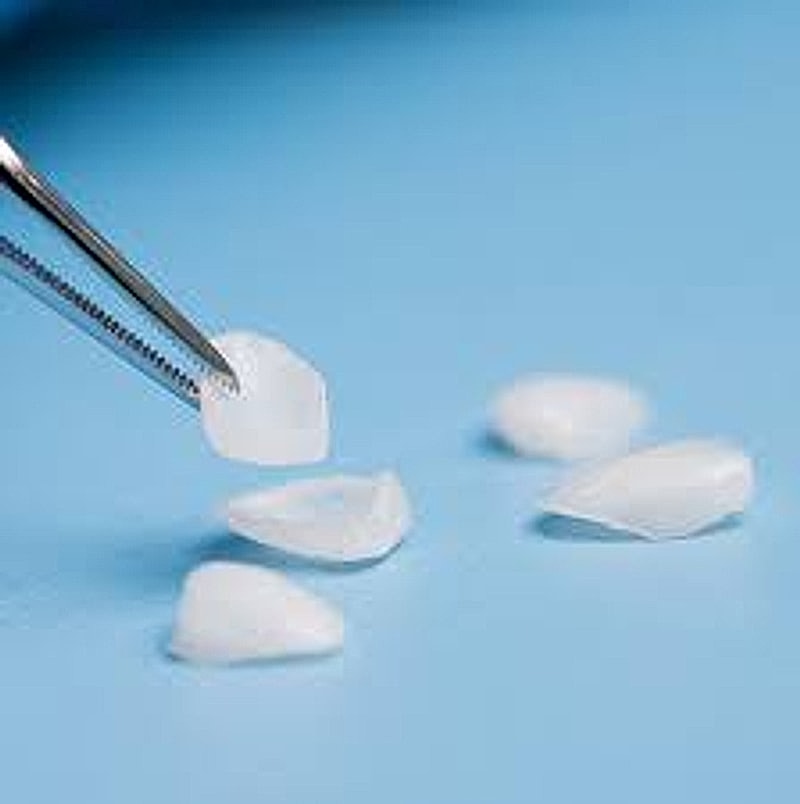
Dental veneers are thin shells of porcelain or composite resin bonded to the front surface of teeth to improve their colour, shape, size, or alignment. They are a minimally invasive cosmetic dental procedure — most effective for teeth that are discoloured, chipped, worn, or mildly misaligned.
View details
 Dental
Durathin Veneers
No reviews yet
View details
 Dental
Fastbraces
No reviews yet
View details
 SurgicalDental
Full Mouth Reconstruction
No reviews yet
View details
 Dental
Gum Contouring / Gummy Smile Fix
No reviews yet•PKR 25k–80k
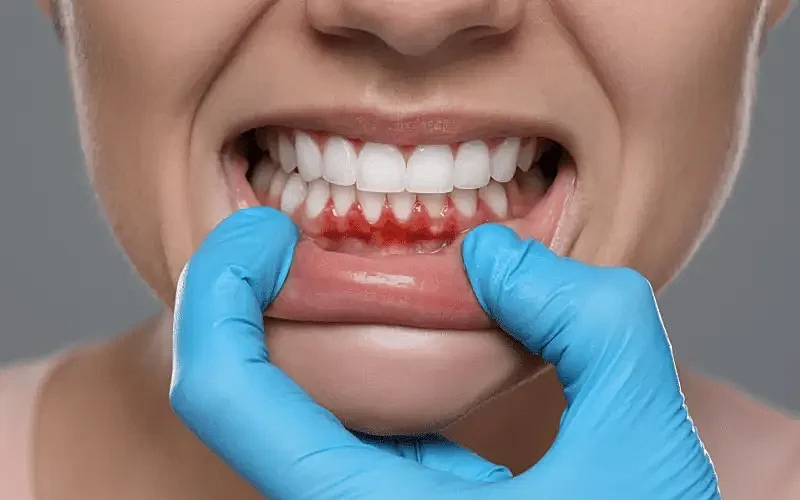
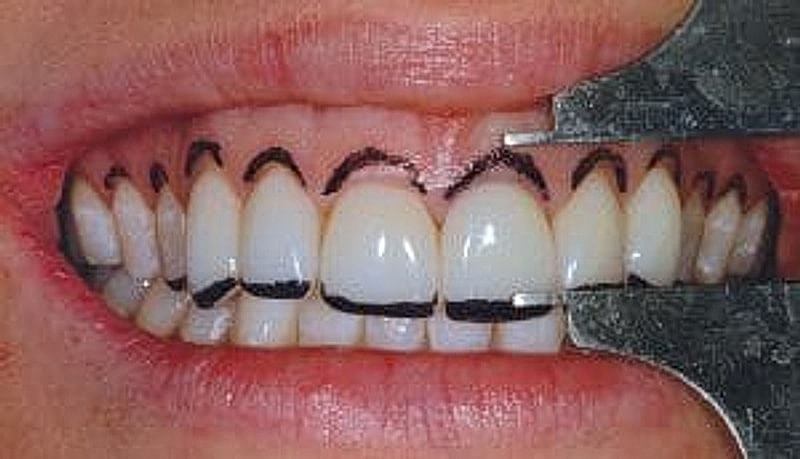
Gum contouring (gingival contouring) reshapes the gum line to create a more balanced, symmetrical smile — typically by removing excess gum tissue that makes teeth appear short (gummy smile) or by correcting an uneven gum line. It can be performed with a laser or surgical scalpel.
View details
 SurgicalDental
Gum Graft
No reviews yet
View details
 SurgicalDental
Gum Lift
No reviews yet
View details
 Dental
Hollywood Smile
No reviews yet•PKR 2.5L–7L
A Hollywood smile is a full-mouth smile design using a combination of veneers, crowns, teeth whitening, and sometimes orthodontics to create a perfectly proportioned, uniformly white, aesthetic smile. It is a comprehensive cosmetic dental treatment tailored to the patient's facial proportions and preferences.
View details
 SurgicalDental
Implantable Contact Lenses
No reviews yet
View details
 Dental
Internal Tooth Bleaching
No reviews yet
View details
 Dental
Invisalign
No reviews yet
View details
 Dental
Invisalign / Clear Aligners
No reviews yet•PKR 1L–4L
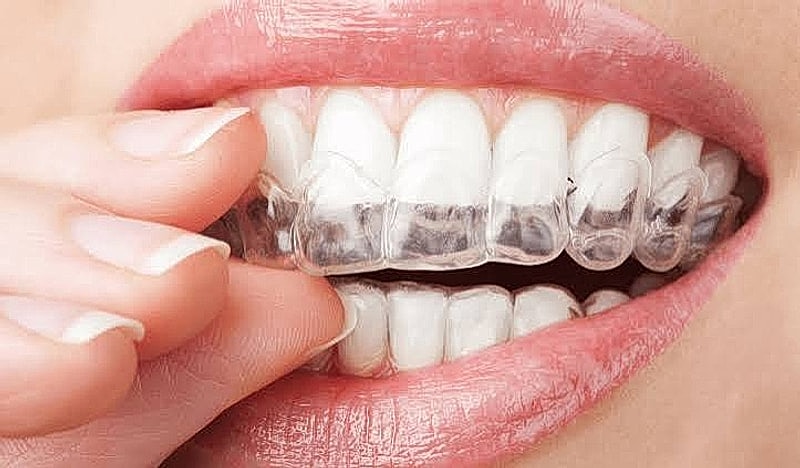
Clear aligners (such as Invisalign) are removable, nearly invisible orthodontic devices that gradually straighten teeth through a series of custom-made plastic trays. They are an aesthetically preferred alternative to traditional braces for mild to moderate orthodontic concerns.
View details
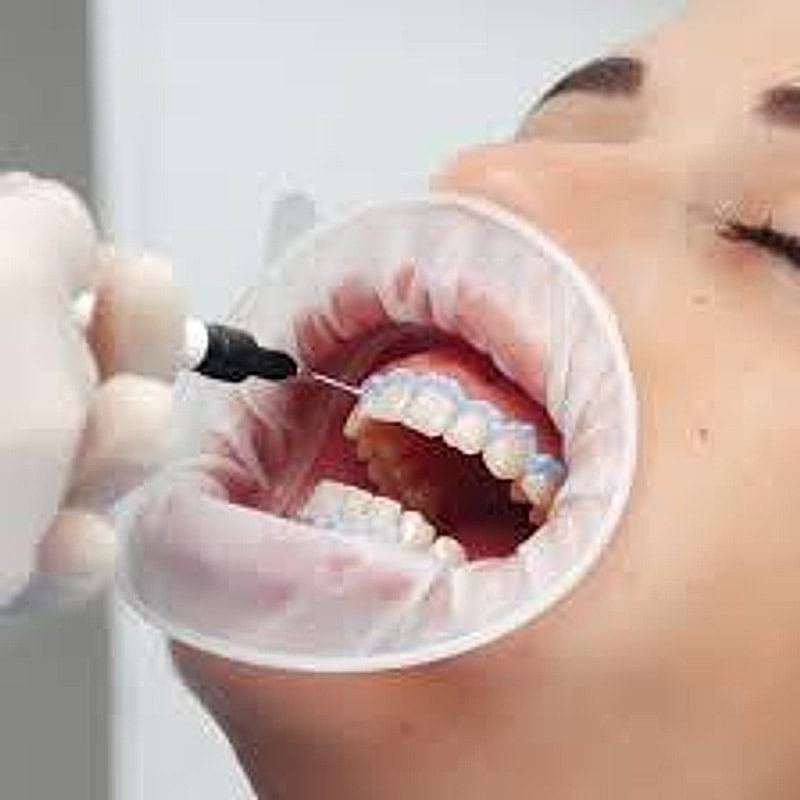 Dental
KoR Teeth Whitening
No reviews yet
View details
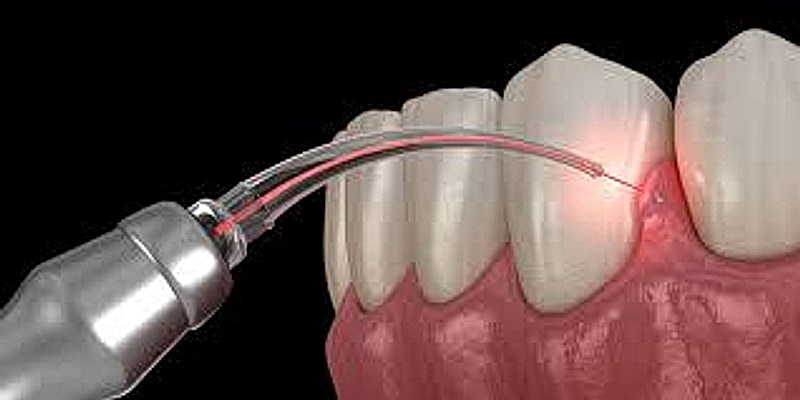 Dental
LANAP Laser Periodontal Therapy
No reviews yet
View details
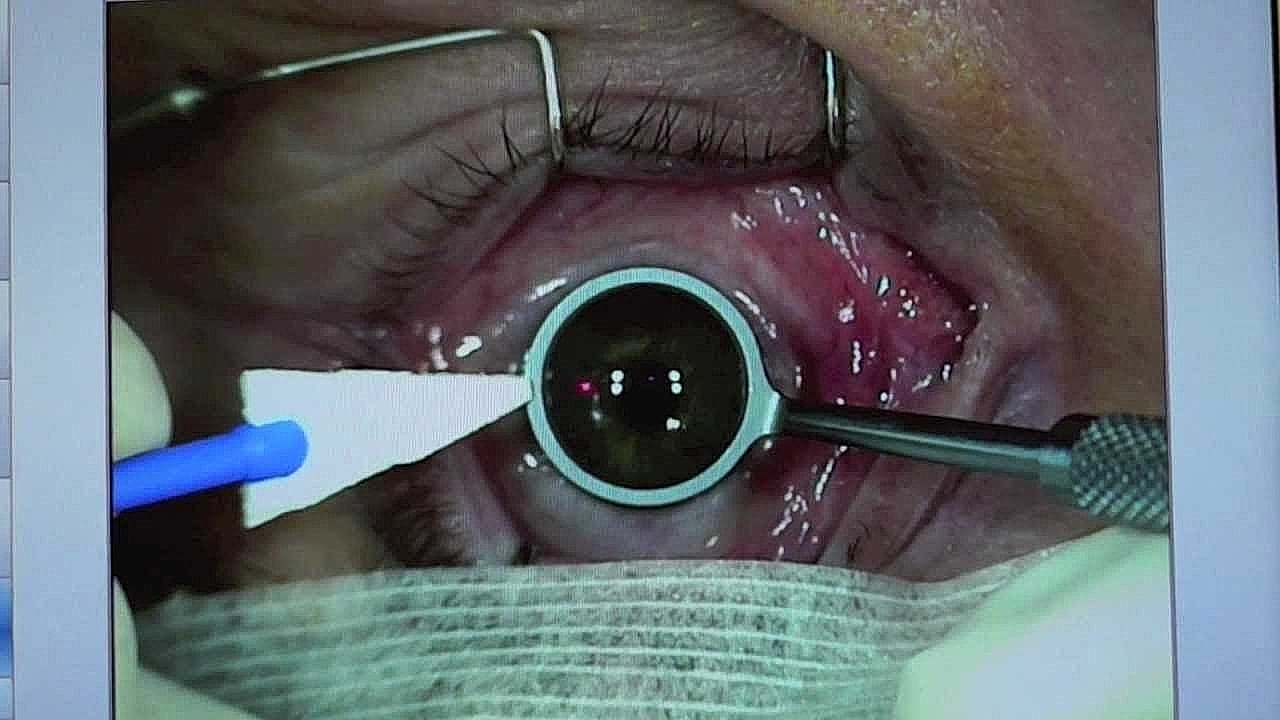 SurgicalDental
LASEK
No reviews yet
View details
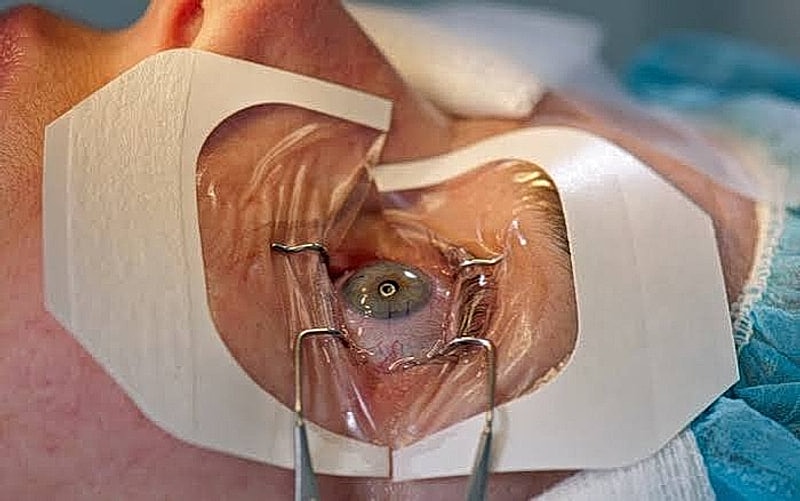 SurgicalDental
LASIK
No reviews yet
View details
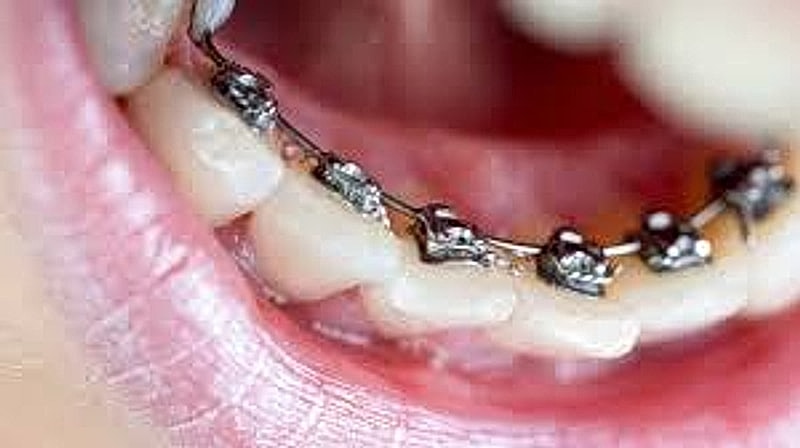 Dental
Lingual Braces
No reviews yet
View details
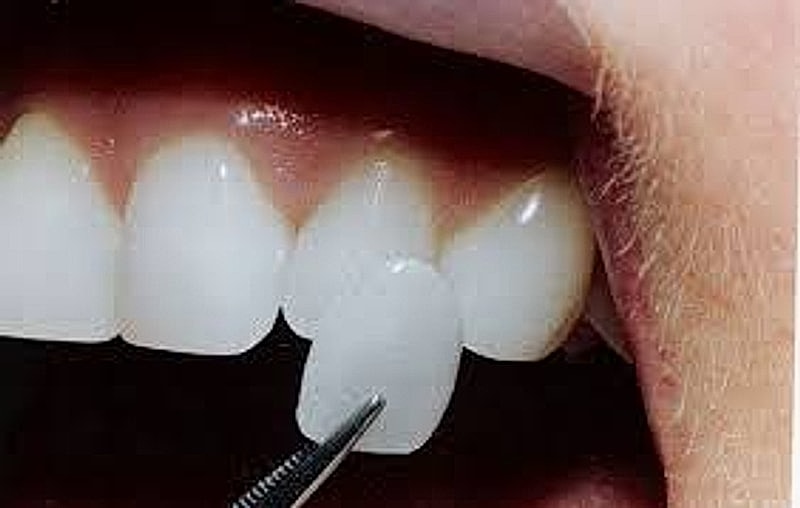 Dental
Lumineers
No reviews yet
View details
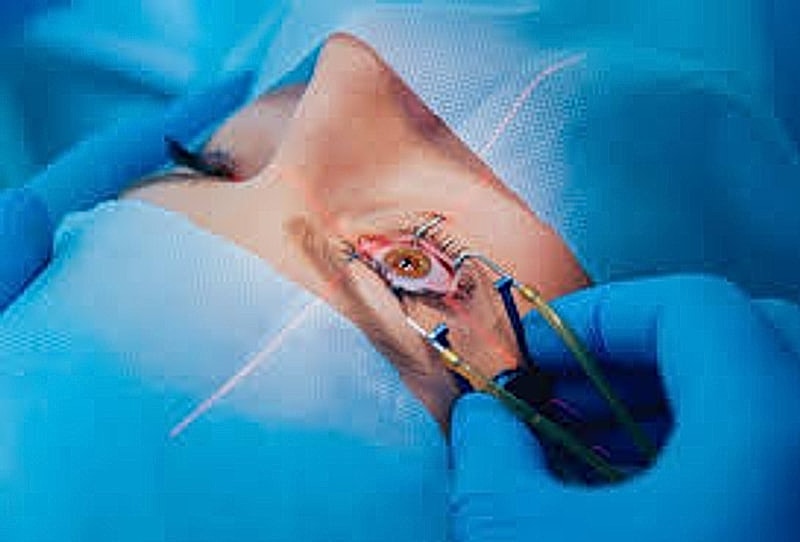 SurgicalDental
PRK Laser Eye Surgery
No reviews yet
View details
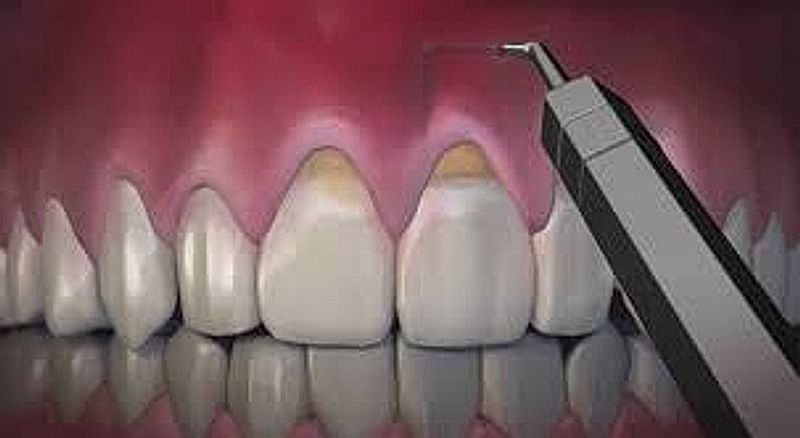 SurgicalDental
Pinhole Gum Surgery
No reviews yet
View details
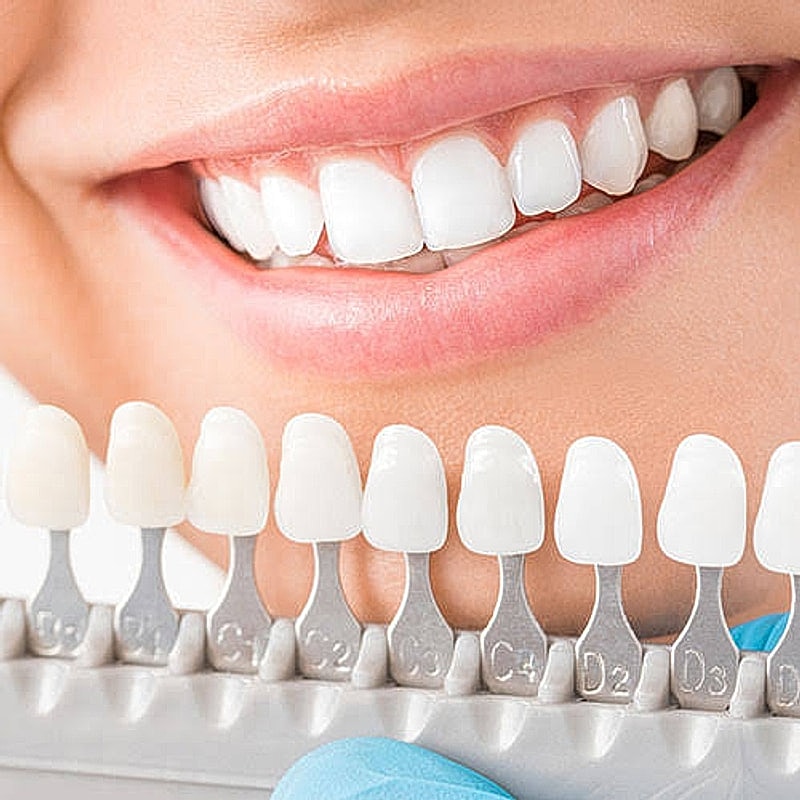 Dental
Porcelain Veneers
No reviews yet
View details
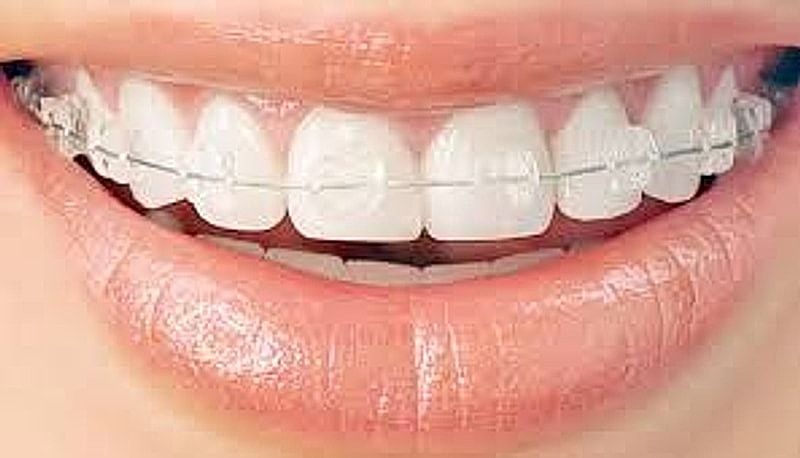 Dental
Six Month Smiles
No reviews yet
View details
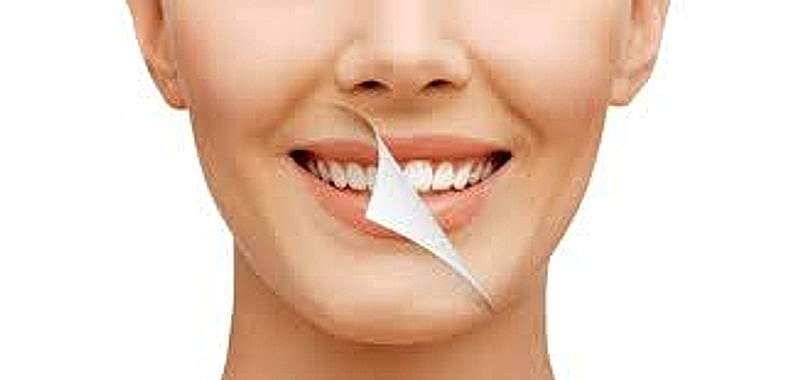 Dental
Smile Makeover
No reviews yet
View details
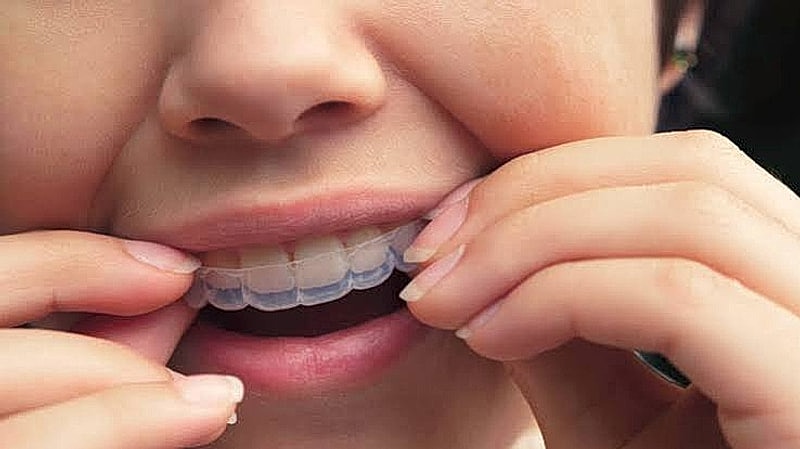 Dental
SmileDirectClub
No reviews yet
View details
 Dental
Snap-On Smile
No reviews yet
View details
 SurgicalDental
Strabismus Surgery
No reviews yet
View details
 Dental
Teeth Whitening
No reviews yet•PKR 8k–30k
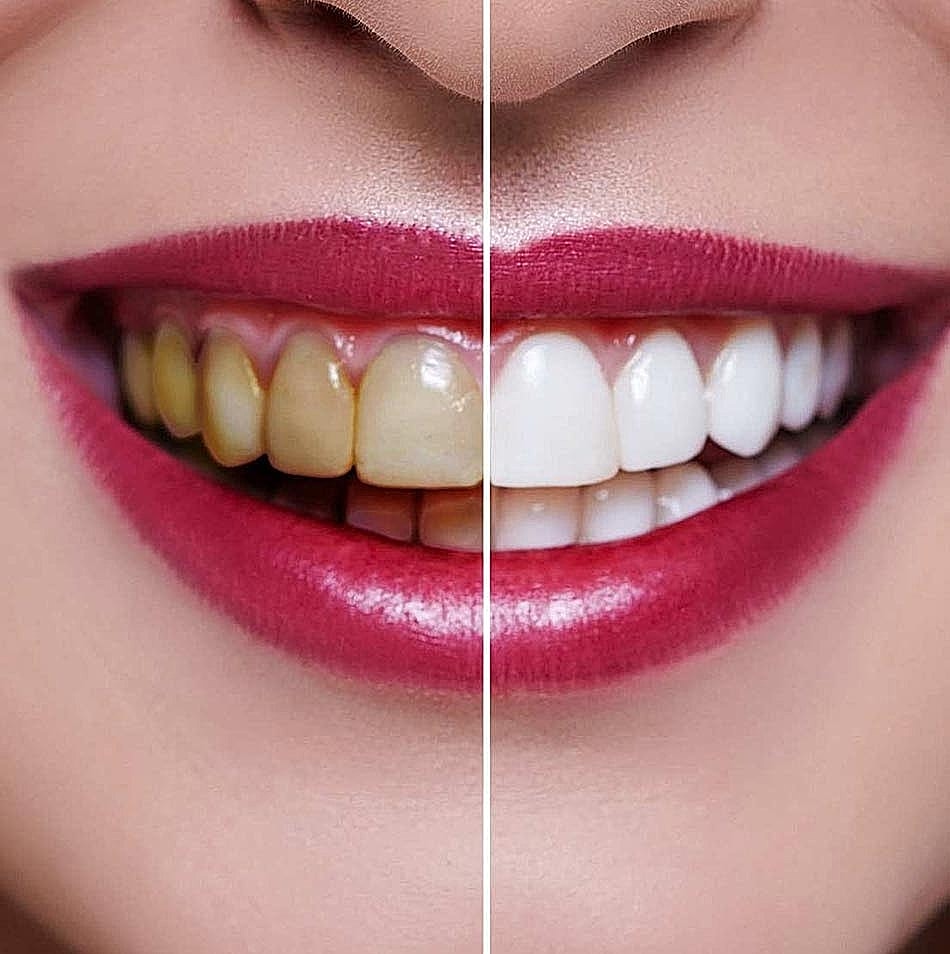
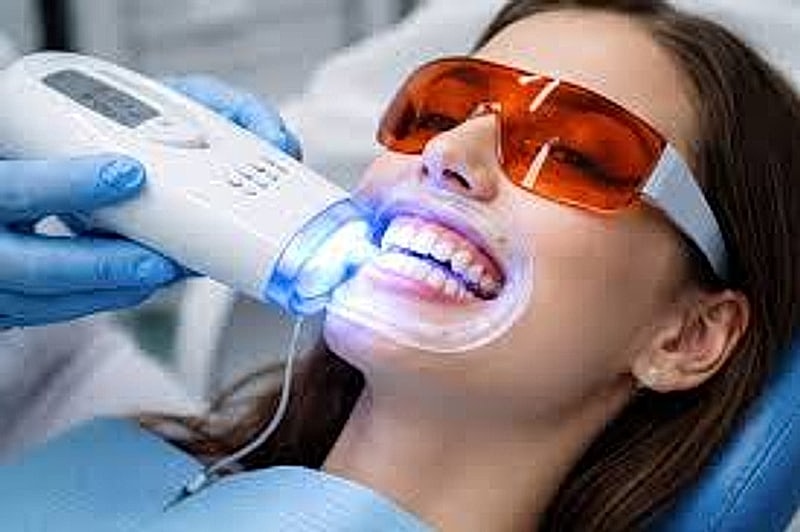
Teeth whitening uses hydrogen peroxide or carbamide peroxide to oxidise chromogens within the enamel and dentine, lightening the intrinsic colour of the teeth. Professional in-clinic treatments achieve faster and more controlled results than at-home products. Whitening only affects natural tooth structure — not crowns, veneers, or fillings.
View details
 Dental
Tooth Repair
No reviews yet
View details
 SurgicalDental
Wisdom Teeth Removal
No reviews yet
View details
 Dental
Zirconia Crowns
No reviews yet•PKR 25k–70k
Zirconia crowns and bridges use high-strength zirconium dioxide ceramic, offering an excellent combination of aesthetic appearance and mechanical durability. Zirconia is tooth-coloured, metal-free, and biocompatible, making it the preferred material for highly visible teeth and for patients with metal sensitivities.
View details
 Dental
Zoom Whitening
No reviews yet
View details
 SurgicalFace
Adam's Apple Reduction
No reviews yet
View details
 SurgicalFace
African American Rhinoplasty
No reviews yet
View details
 SurgicalFace
Alarplasty
No reviews yet
View details
 SurgicalFace
Asian Rhinoplasty
No reviews yet
View details
 Face
FaceBlepharoplasty (Eyelid Surgery)
No reviews yet•PKR 1.2L–3.5L
Blepharoplasty is eyelid surgery that removes excess skin, fat, and sometimes muscle from the upper or lower eyelids. It addresses drooping upper lids that can impair vision, and puffy lower lids or under-eye bags that create a tired appearance. It is one of the most commonly performed facial surgeries worldwide.
View details
 Face
FaceBotulinum Toxin (Botox / Dysport)
No reviews yet
Botulinum toxin (of which Botox is the most recognised brand) is used medically and cosmetically to relax muscles. In aesthetics, it reduces dynamic facial lines, and is also used therapeutically for excessive sweating (hyperhidrosis), teeth grinding (bruxism), gummy smiles, and neck tightening (Nefertiti lift).
View details
 SurgicalFace
Brow Bone Reduction
No reviews yet
View details
 SurgicalFace
Brow Lift
No reviews yet•PKR 1.5L–4L
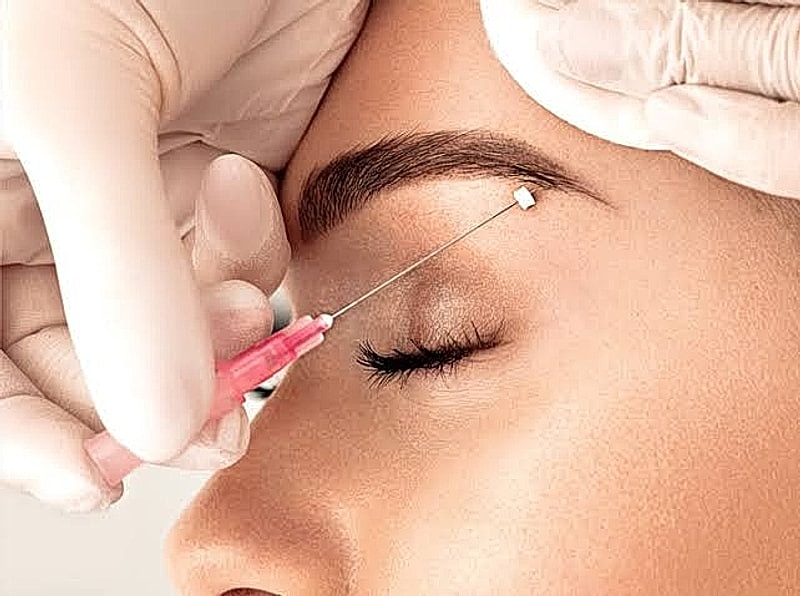
A brow lift (forehead lift) repositions a low or sagging brow to a more youthful position, smooths forehead creases, and reduces the frown lines between the eyebrows. It is often performed alongside blepharoplasty since brow descent can cause excess upper eyelid skin that surgery alone cannot fully address.
View details
 SurgicalFace
Buccal Fat Removal
No reviews yet
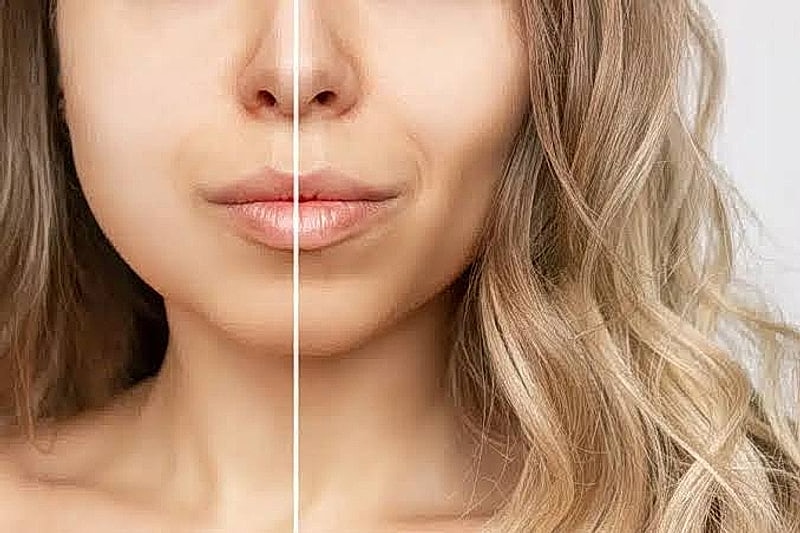
Buccal fat removal is a surgical procedure that extracts the buccal fat pads — small pockets of fat in the mid-cheek area — to create a slimmer, more sculpted lower face with more visible cheekbone definition. It is best suited to adults with naturally round, full cheeks who are at a stable weight.
View details
 SurgicalFace
Canthoplasty
No reviews yet
View details
 Face
FaceCheek Augmentation
No reviews yet•PKR 1.5L–4L
Cheek augmentation enhances the projection, fullness, and contour of the cheekbones to create a more defined and youthful mid-face. It can be achieved with solid silicone implants, fat grafting, or dermal fillers, each with different permanency and recovery profiles.
View details
 Face
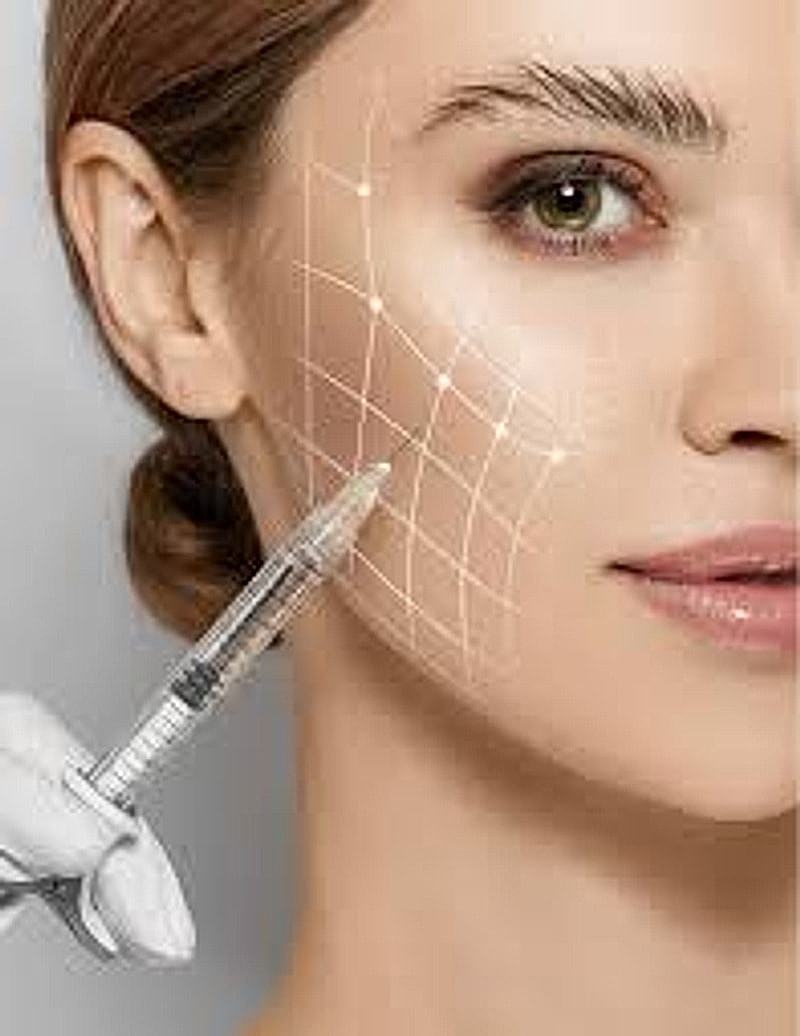
FaceCheek Filler
No reviews yet
Cheek filler is the same treatment as cheek fillers — hyaluronic acid injection into the mid-face to restore volume and enhance cheekbone definition. Subtle placement can create the appearance of higher cheekbones and a more youthful, lifted facial structure without surgery.
View details
 SurgicalFace
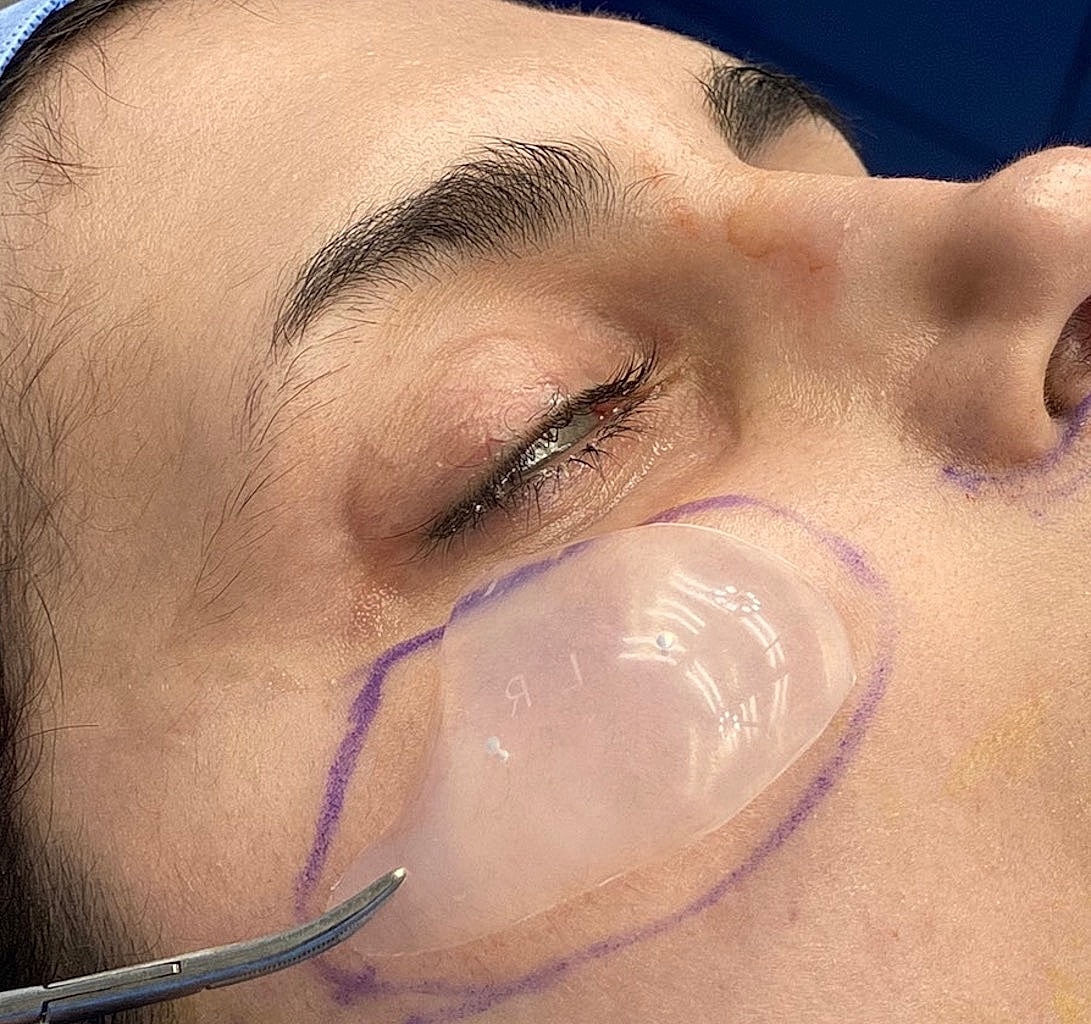
Cheek Implants (Malar Augmentation)
No reviews yet
Cheek implants are solid silicone prostheses placed surgically over the cheekbones to permanently add projection, width, or height to the mid-face. Unlike fillers or fat grafting, implants do not absorb or migrate over time and offer a predictable, permanent result.
View details
 SurgicalFace
Cheek Lift
No reviews yet
View details
 SurgicalFace
Cheekbone Reduction
No reviews yet
View details
 SurgicalFace
Chin Augmentation
No reviews yet•PKR 1L–3L
Chin augmentation enhances the projection, width, or shape of the chin to create better facial balance and a more defined profile. It can be achieved surgically with a solid silicone implant or non-surgically with dermal fillers. Augmenting the chin often has a significant impact on the apparent size and proportion of the nose.
View details
 Face
FaceChin Filler
No reviews yet
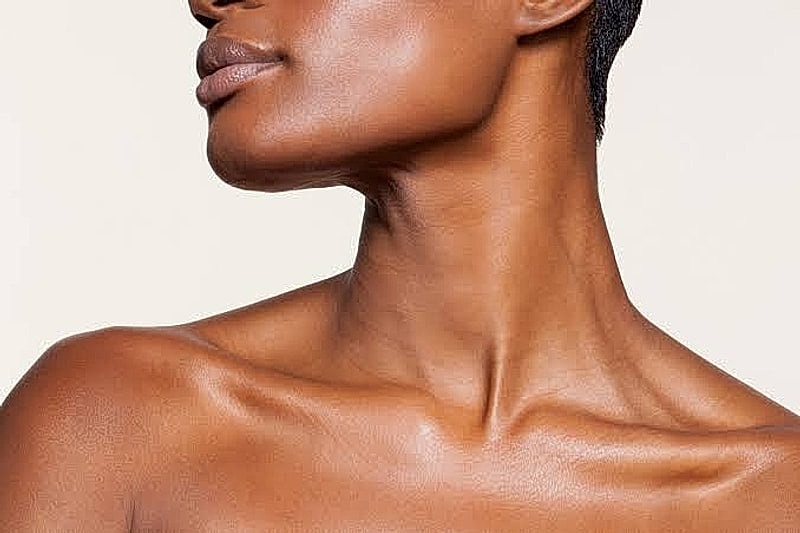
Chin filler uses a firm hyaluronic acid gel injected over the chin bone to improve chin projection, height, or shape without surgery. It can balance a recessive chin, define the jaw-neck angle, and improve facial profile significantly, with results comparable to a small chin implant.
View details
 SurgicalFace
Chin Implant
No reviews yet
View details
 SurgicalFace
Cleft Lip And Palate Repair
No reviews yet
View details
 SurgicalFace
Deep Plane Facelift
No reviews yet
View details
 SurgicalFace
Dimple Surgery
No reviews yet
View details
 SurgicalFace
Dimpleplasty
No reviews yet•PKR 60k–1.5L
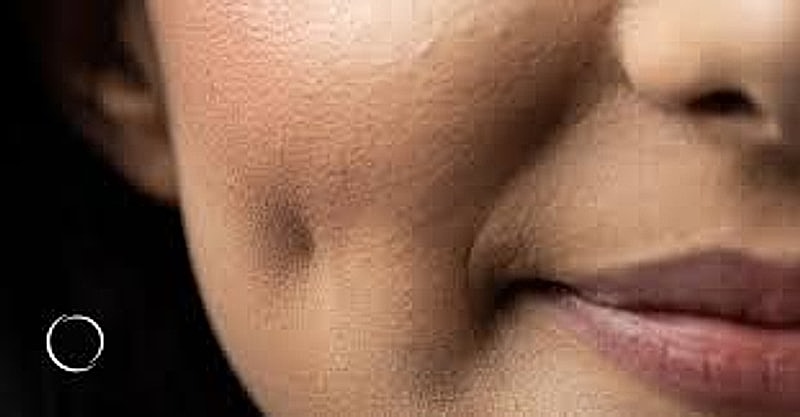
Dimpleplasty is a minor surgical procedure that creates artificial dimples on the cheeks. Natural dimples are caused by a small attachment between the cheek muscle (zygomaticus) and the overlying skin. The procedure mimics this attachment surgically and is growing in popularity as a facial charm feature.
View details
 SurgicalFace
Double Eyelid Surgery
No reviews yet
View details
 SurgicalFace
Ear Surgery
No reviews yet
View details
 SurgicalFace
Earfold
No reviews yet
View details
 SurgicalFace
Eyelid Retraction Repair
No reviews yet
View details
 SurgicalFace
Eyelid Surgery
No reviews yet
View details
 SurgicalFace
Facelift (Rhytidectomy)
No reviews yet•PKR 4L–10L
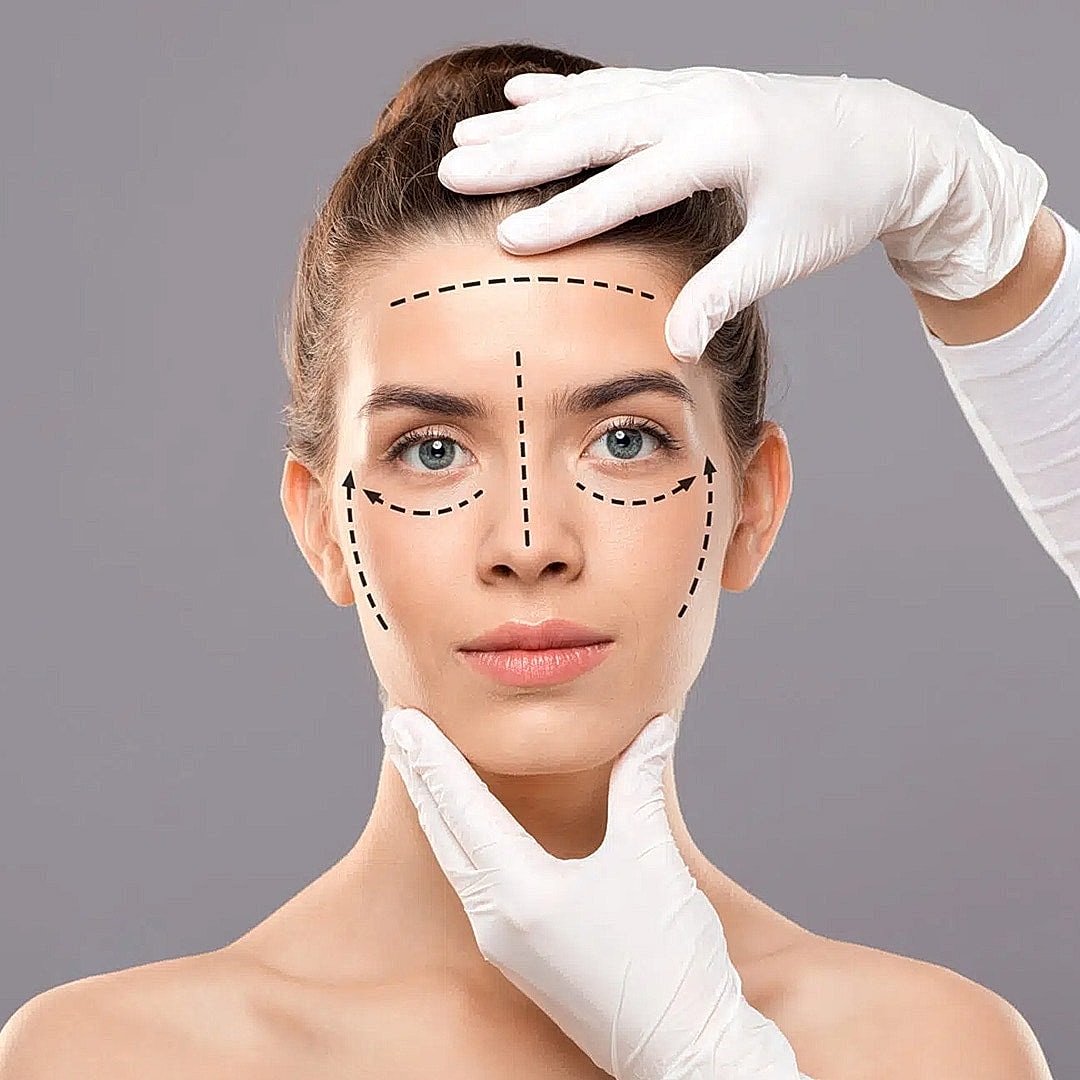
A facelift (rhytidectomy) is a surgical procedure that addresses mid-face sagging, deep facial folds, jowls, and neck laxity that cannot be adequately corrected with non-surgical treatments. It repositions and tightens the underlying SMAS (muscle-fascia layer) and removes excess skin for a naturally refreshed, younger-looking appearance.
View details
 SurgicalFace
Facelift Revision
No reviews yet
View details
 SurgicalFace
Facial Fat Grafting
No reviews yet
Facial fat grafting is the same procedure as fat transfer to the face — using the patient's own harvested fat to restore volume, improve skin quality (due to the stem cells within the fat), and rejuvenate hollowed or deflated areas of the face. The term is used interchangeably with facial fat transfer.
View details
 SurgicalFace
Facial Feminization Surgery
No reviews yet
View details
 SurgicalFace
Facial Reconstructive Surgery
No reviews yet
View details
 Face
FaceFat Transfer to Face
No reviews yet•PKR 1.5L–4L
Facial fat transfer (fat grafting) uses the patient's own fat — harvested from the abdomen, thighs, or flanks — and re-injects it into areas of the face that have lost volume with age. It addresses hollowed cheeks, deep tear troughs, thinning lips, and overall facial deflation in a way that looks and feels completely natural.
View details
 Face
FaceFat-Dissolving Injections (Double Chin)
No reviews yet
Fat-dissolving injections for the double chin use phosphatidylcholine (PCDC) or deoxycholic acid to non-surgically reduce submental fat. The injectable solution breaks down fat cell membranes so that the body can clear the released fat through its lymphatic system over several weeks.
View details
 Face
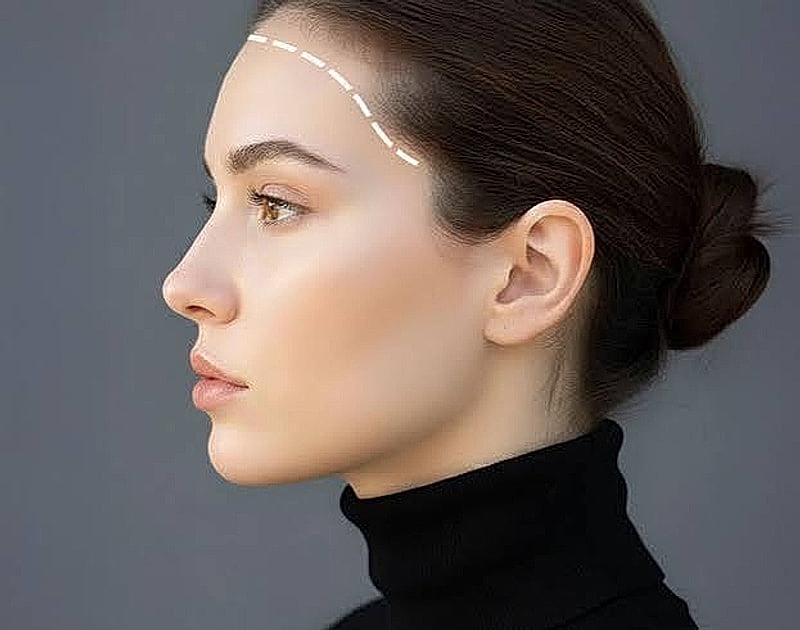
FaceForehead Reduction
No reviews yet•PKR 2L–5L
Forehead reduction surgery (hairline lowering) lowers the frontal hairline to reduce a proportionately large or high forehead. It is suited to patients with a straight, low-hairline and good hair density. The procedure brings the hairline closer to the brow, creating a more balanced facial third.
View details
 SurgicalFace
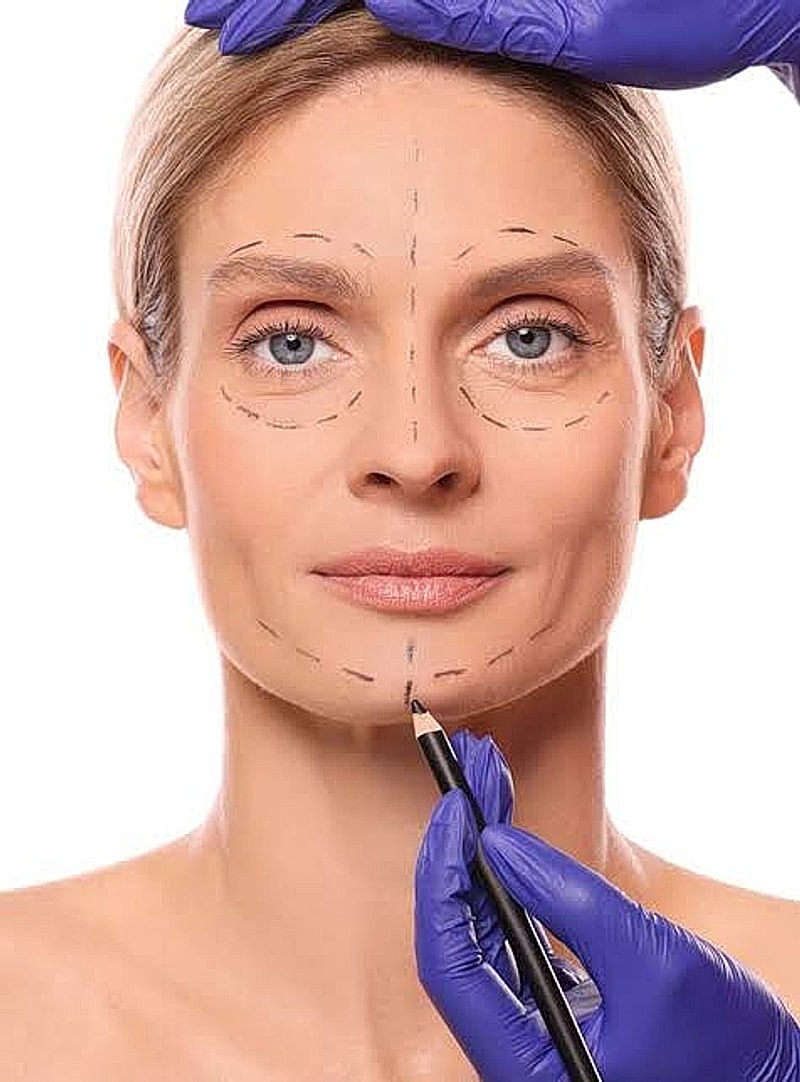
Genioplasty
No reviews yet
View details
 Face
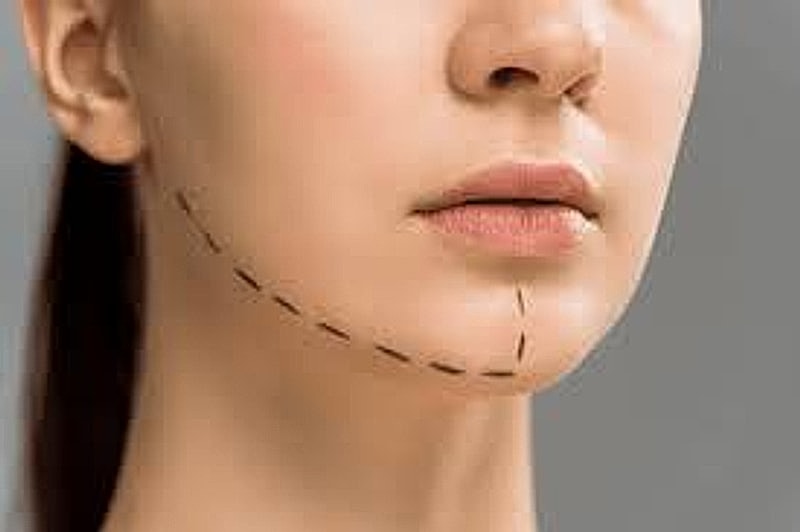
FaceJaw Contouring
No reviews yet•PKR 1.5L–4L
Jaw reduction surgery reshapes the lower jaw to create a softer, more oval or heart-shaped facial outline. It is most commonly sought to reduce a wide or square mandible that creates a hyper-masculine appearance. The procedure involves removing or reshaping the outer bony cortex of the mandibular angle.
View details
 SurgicalFace
Jaw Implants
No reviews yet
View details
 SurgicalFace
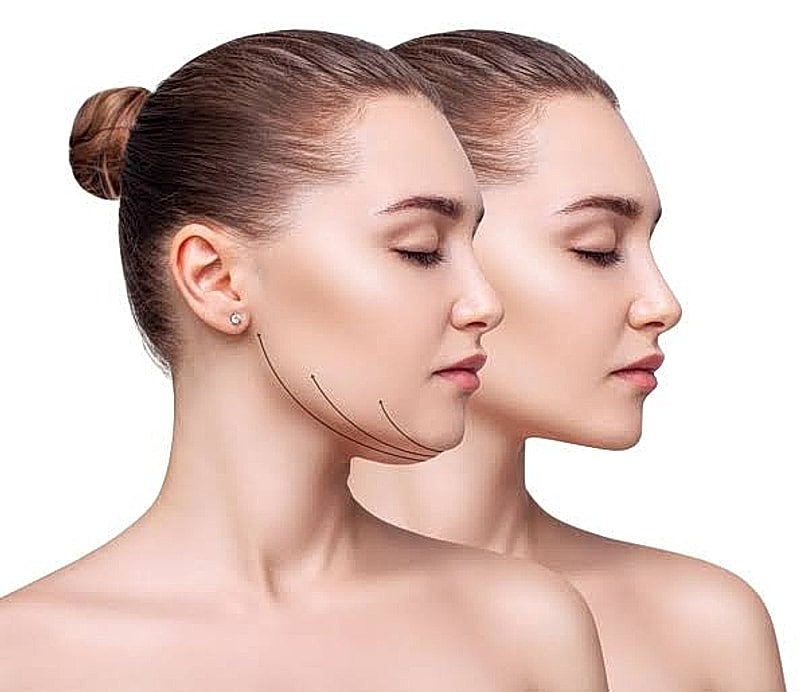
Jaw Surgery
No reviews yet
View details
 SurgicalFace
Lifestyle Lift
No reviews yet
View details
 Face
FaceLip Filler
No reviews yet
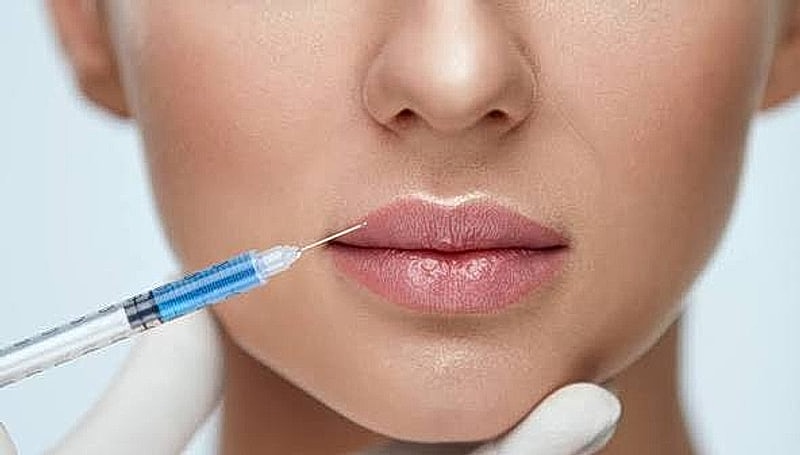
Lip filler is a hyaluronic acid injection treatment that enhances the size, shape, and symmetry of the lips without surgery. It is customisable — the injector can target the body, the borders, or specific areas like the cupid's bow or the corners to address each patient's individual concerns.
View details
 SurgicalFace
Lip Implants
No reviews yet
View details
 SurgicalFace
Lip Lift
No reviews yet
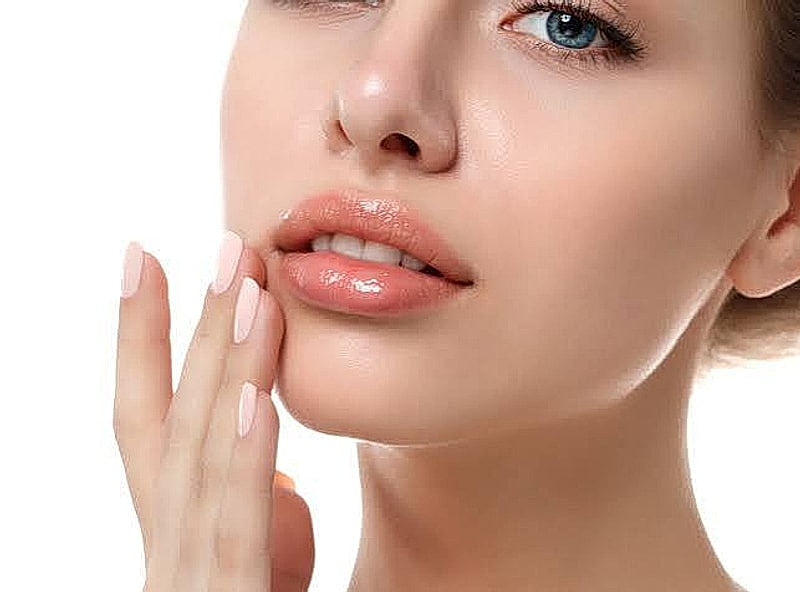
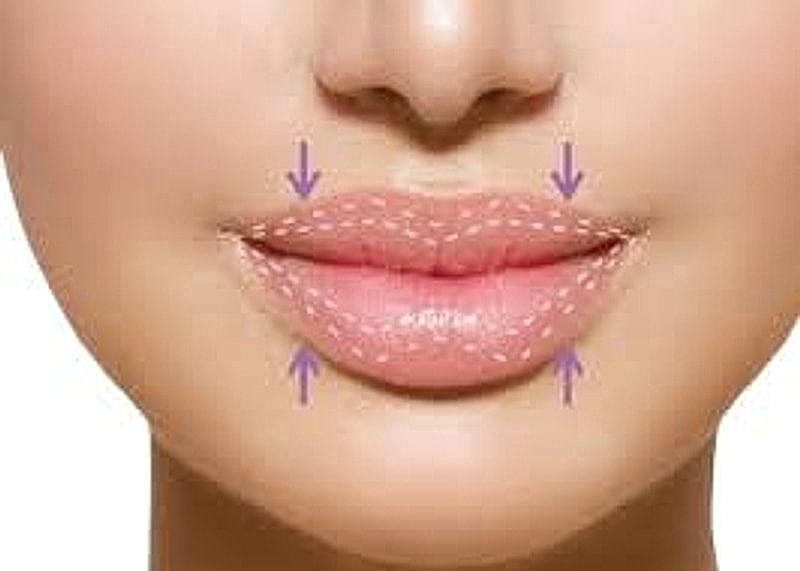
A lip lift is a surgical procedure that shortens the space between the base of the nose and the upper lip (the philtrum), causing the upper lip to roll upward and outward for a more defined, fuller, and youthful appearance. It permanently increases vermillion show (the pink lip) without adding volume through injections.
View details
 SurgicalFace
Lip Reduction
No reviews yet
View details
 SurgicalFace
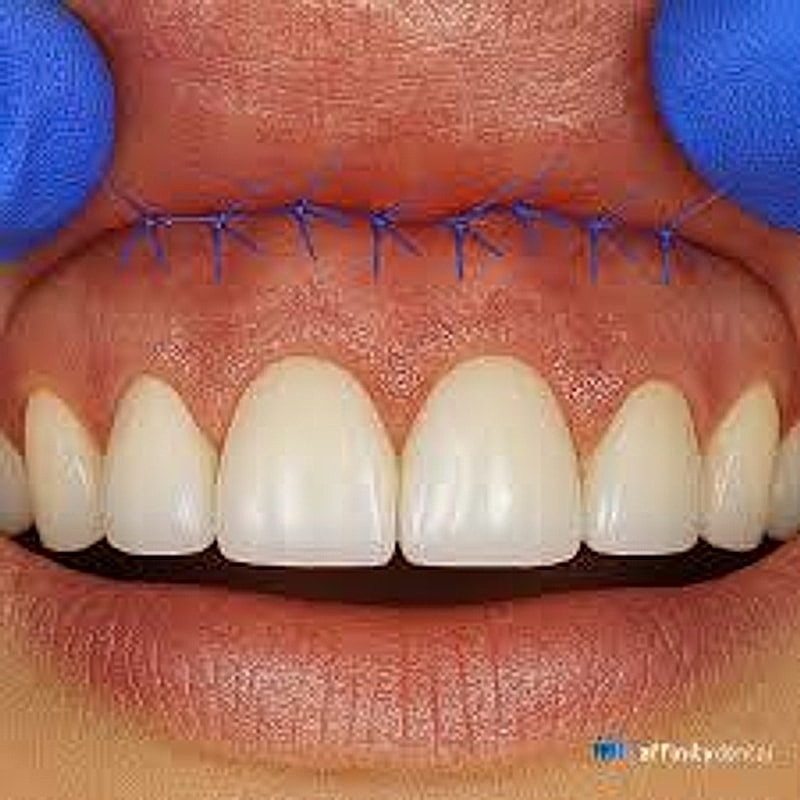
Lip Repositioning
No reviews yet
View details
 SurgicalFace
Lip Surgery
No reviews yet
View details
 Face
FaceLiquid Rhinoplasty (Non-Surgical Nose Job)
No reviews yet
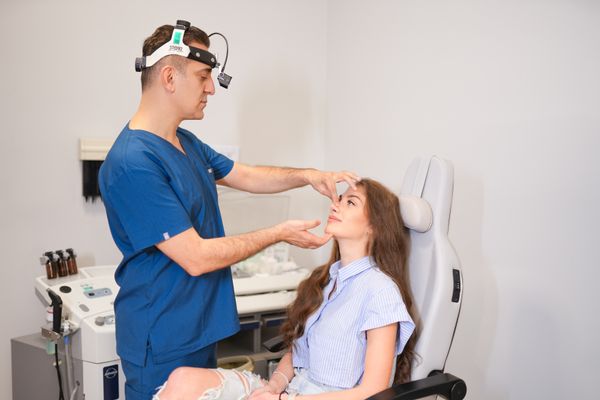
Liquid rhinoplasty is another name for non-surgical rhinoplasty — a filler-based nose reshaping technique that temporarily adjusts nasal contour without surgery. The word 'liquid' refers to the injectable nature of the treatment. It is best suited to patients wanting subtle refinements rather than dramatic size reductions.
View details
 SurgicalFace
Lower Blepharoplasty (Lower Eyelid Surgery)
No reviews yet
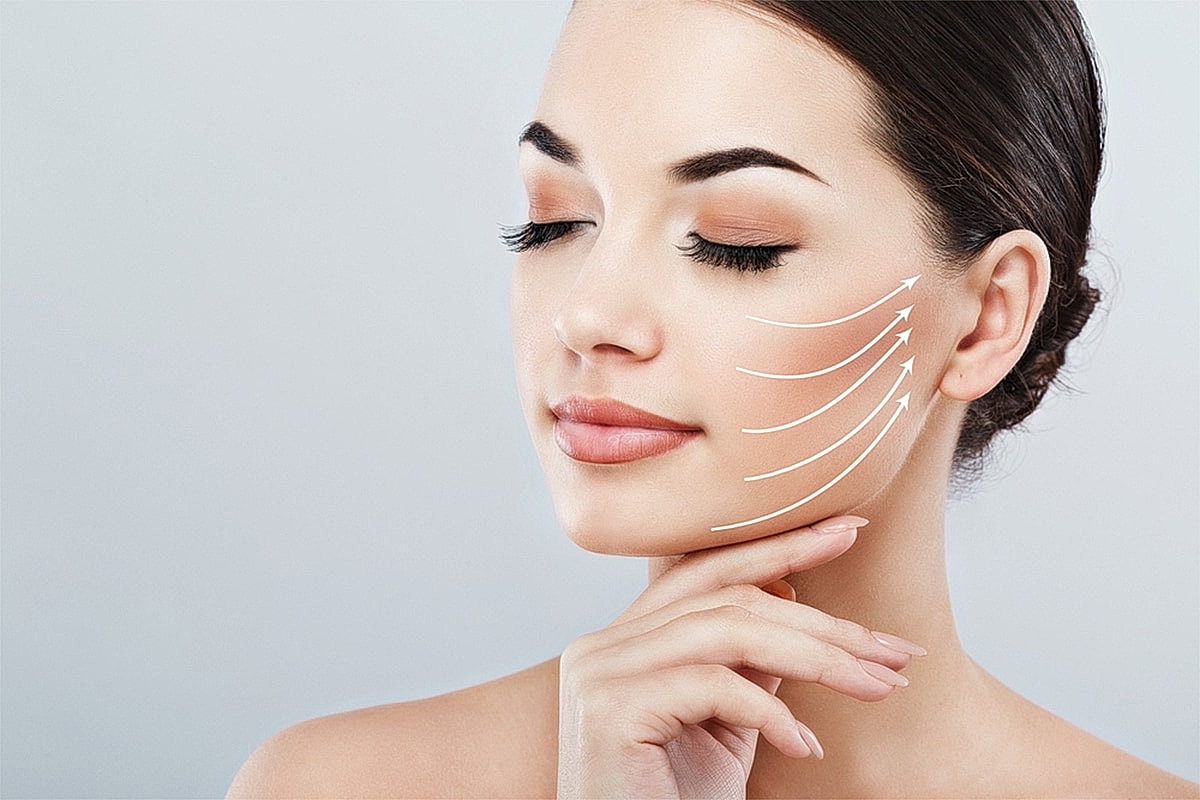
Lower blepharoplasty addresses under-eye bags, excess skin, and hollowness in the lower eyelid area. These changes result from herniated fat pockets and skin laxity that develop with age. The procedure can significantly reduce a tired, aged appearance around the eyes.
View details
 SurgicalFace
Lower Facelift
No reviews yet
View details
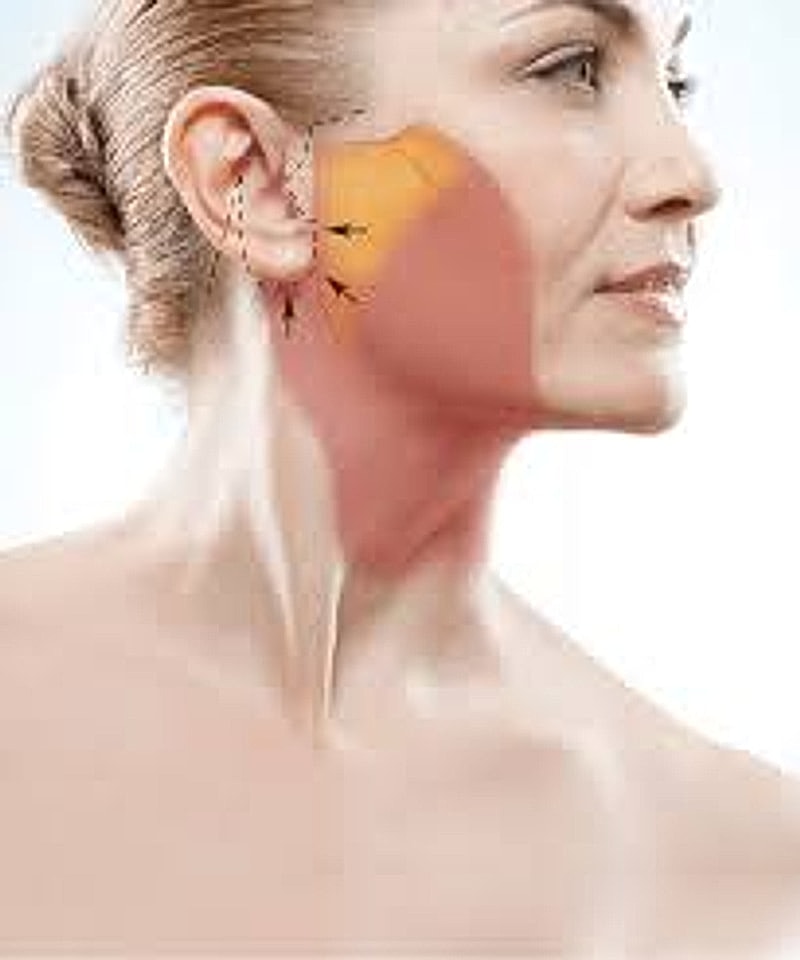 SurgicalFace
MACS Facelift
No reviews yet
View details
 Face
FaceMesotherapy (Face)
No reviews yet
Facial mesotherapy delivers a customised blend of vitamins, antioxidants, and hyaluronic acid into the dermis of the face via microinjections. It is used to treat dullness, dehydration, early fine lines, and loss of skin luminosity, particularly as a preventative or maintenance treatment.
View details
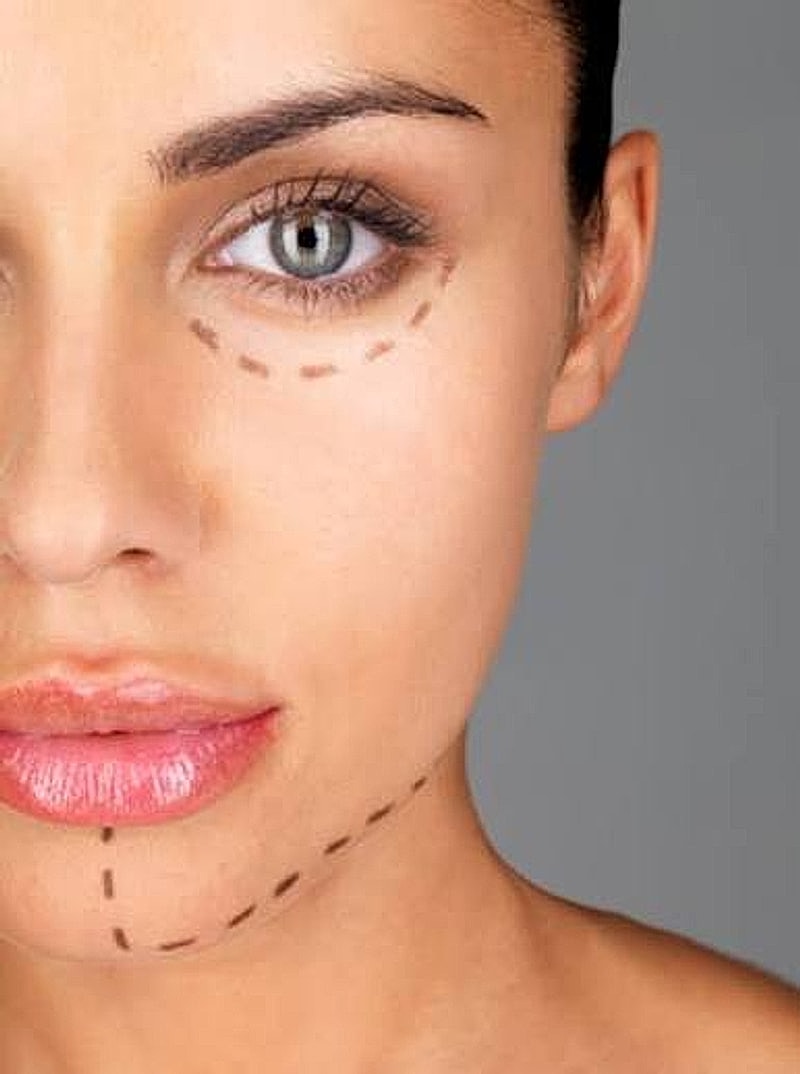 SurgicalFace
Mini Facelift
No reviews yet•PKR 2L–5L
A mini facelift is a less invasive version of the traditional facelift that targets early jowling, mild cheek sagging, and loss of jaw definition. It uses shorter incisions and is suited to patients in their late 30s to early 50s who have early but noticeable facial laxity not yet requiring a full facelift.
View details
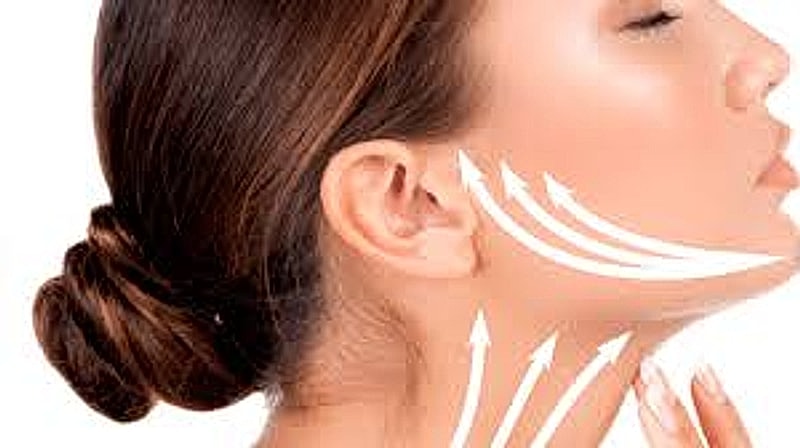 SurgicalFace
Mini Neck Lift
No reviews yet
View details
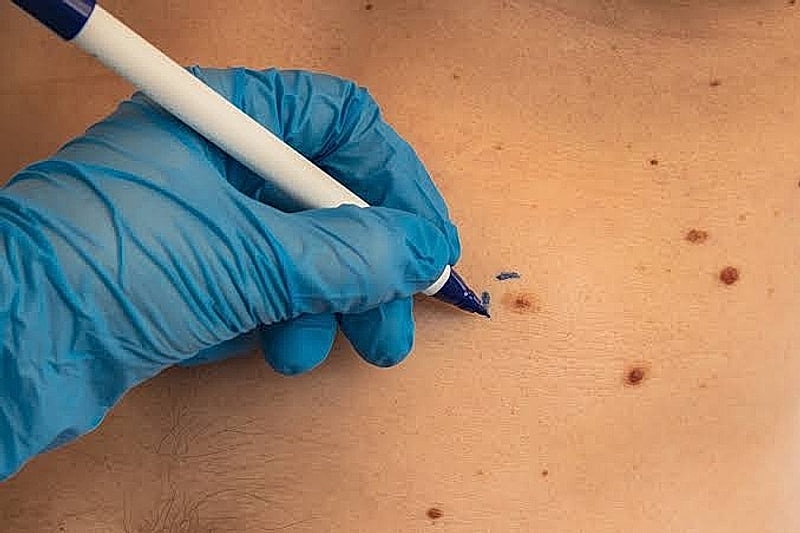 SurgicalFace
Mohs Surgery
No reviews yet
View details
 SurgicalFace
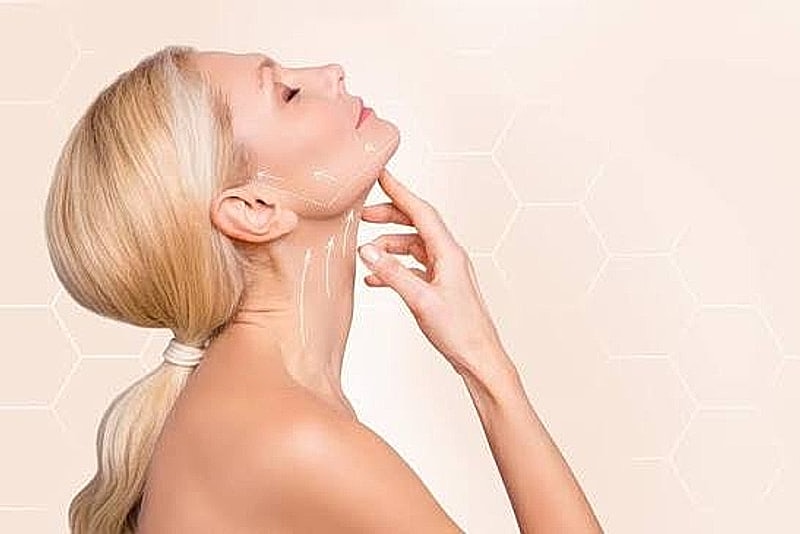
Neck Lift
No reviews yet•PKR 2L–5L
A neck lift addresses loose, sagging skin, prominent neck bands (platysmal banding), and excess fat under the chin and along the neck. It reshapes and tightens the neck for a smoother, more defined profile. It can be performed alone or in combination with a facelift.
View details
 SurgicalFace
Otoplasty (Ear Surgery)
No reviews yet•PKR 80k–2.5L
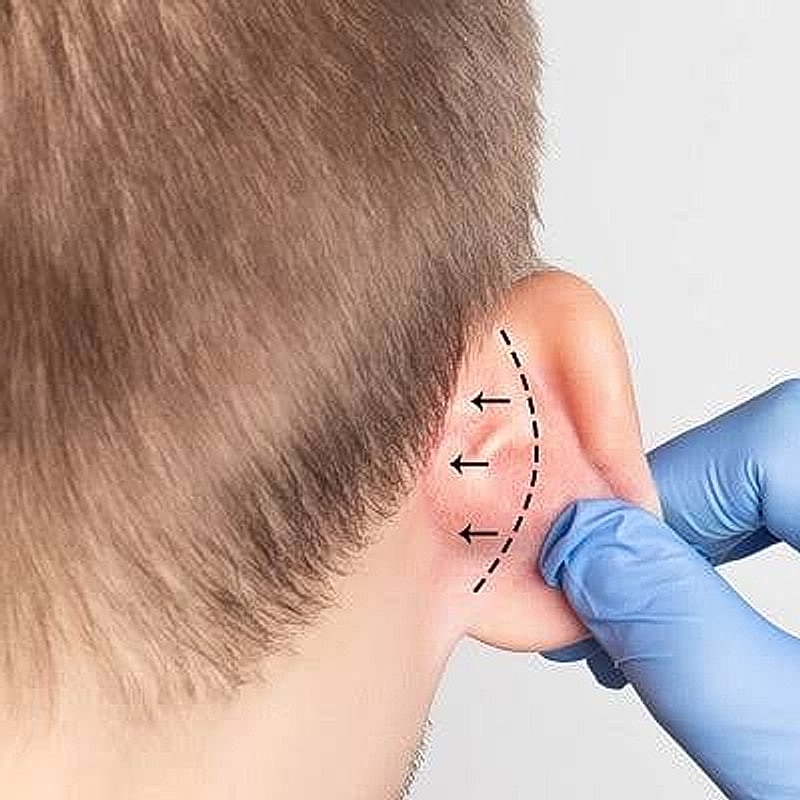
Otoplasty is surgery that corrects prominent or protruding ears by reshaping the ear cartilage to bring the ears closer to the head. It can also address ear asymmetry, overly large ears, or other shape irregularities. The procedure is commonly performed in children aged 5–14 but is equally effective in adults.
View details
 SurgicalFace
Ptosis Surgery
No reviews yet
View details
 SurgicalFace
QuickLift
No reviews yet
View details
 SurgicalFace
Revision Rhinoplasty
No reviews yet
View details
 SurgicalFace
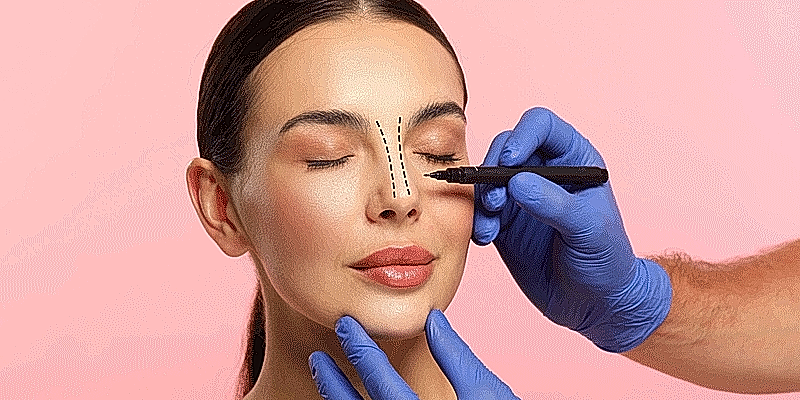
Rhinoplasty (Nose Job)
No reviews yet•PKR 3L–7L
Rhinoplasty, commonly called a nose job, is a surgical procedure that reshapes the nose to improve its appearance, proportion, or function. It can address concerns like a dorsal hump, wide nostrils, a drooping tip, or asymmetry. Both cosmetic and functional goals can be achieved in a single operation.
View details
 SurgicalFace
Rib Remodeling
No reviews yet
View details
 SurgicalFace
SMAS Facelift
No reviews yet
View details
 SurgicalFace
Scar Removal Surgery
No reviews yet
View details
 Face
FaceSeptoplasty (Deviated Septum)
No reviews yet•PKR 80k–2.5L
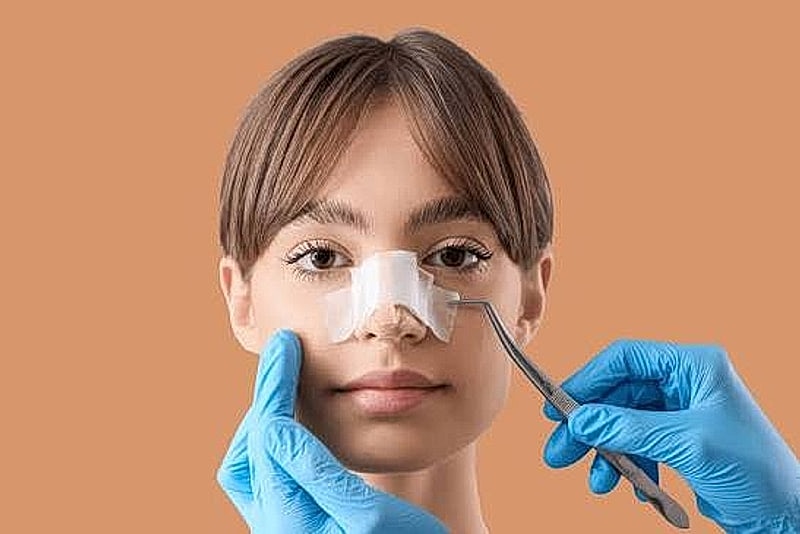
Septoplasty is a surgical procedure that corrects a deviated nasal septum — the wall of cartilage and bone separating the two nostrils. When the septum is significantly off-centre, it can obstruct airflow, cause chronic congestion, snoring, or recurring sinus infections. Septoplasty restores a straighter septum to improve breathing.
View details
 SurgicalFace
Septorhinoplasty
No reviews yet
Septorhinoplasty combines septoplasty (functional correction of a deviated septum) with rhinoplasty (aesthetic reshaping of the nose) in a single procedure. It is ideal for patients who have both breathing difficulties and cosmetic concerns, eliminating the need for two separate surgeries.
View details
 Face
FaceSkin Boosters (Profhilo / Juvederm Volite)
No reviews yet
Skin boosters are injections of highly hydrophilic (water-attracting) hyaluronic acid specifically designed to deeply hydrate the skin from within. Unlike structural fillers, skin boosters are low-viscosity and spread through the tissue to improve skin quality, elasticity, and luminosity rather than adding volume.
View details
 Face
FaceThread Lift (PDO Threads)
No reviews yet
PDO (polydioxanone) thread lifts use absorbable surgical sutures — the same material used in heart surgery — inserted beneath the skin to lift tissues and stimulate collagen production. PDO threads come in smooth (for skin rejuvenation), twisted (for volume), and barbed (for lifting) forms.
View details
 SurgicalFace
Transgender Facial Feminization Surgery
No reviews yet
View details
 Face
FaceUnder-Eye Filler (Tear Trough)
No reviews yet
Under-eye filler is the same as tear trough filler — a precise hyaluronic acid injection placed in the hollow below the eye to reduce the appearance of dark circles, shadowing, and fatigue. It is one of the most technically demanding filler treatments due to the thin, delicate tissue and proximity to vascular structures.
View details
 SurgicalFace
Upper Blepharoplasty (Upper Eyelid Surgery)
No reviews yet
Upper blepharoplasty focuses specifically on removing excess skin and fatty tissue from the upper eyelids. As the skin above the eye stretches and droops with age, it can create a heavy, hooded appearance that makes the eyes look tired. In severe cases, the excess skin can obstruct the upper visual field.
View details
 SurgicalFace
V Line Surgery
No reviews yet
View details
 SurgicalHair
ARTAS Robotic Hair Transplant
No reviews yet
View details
 SurgicalHair
Beard Transplant
No reviews yet•PKR 1L–3L
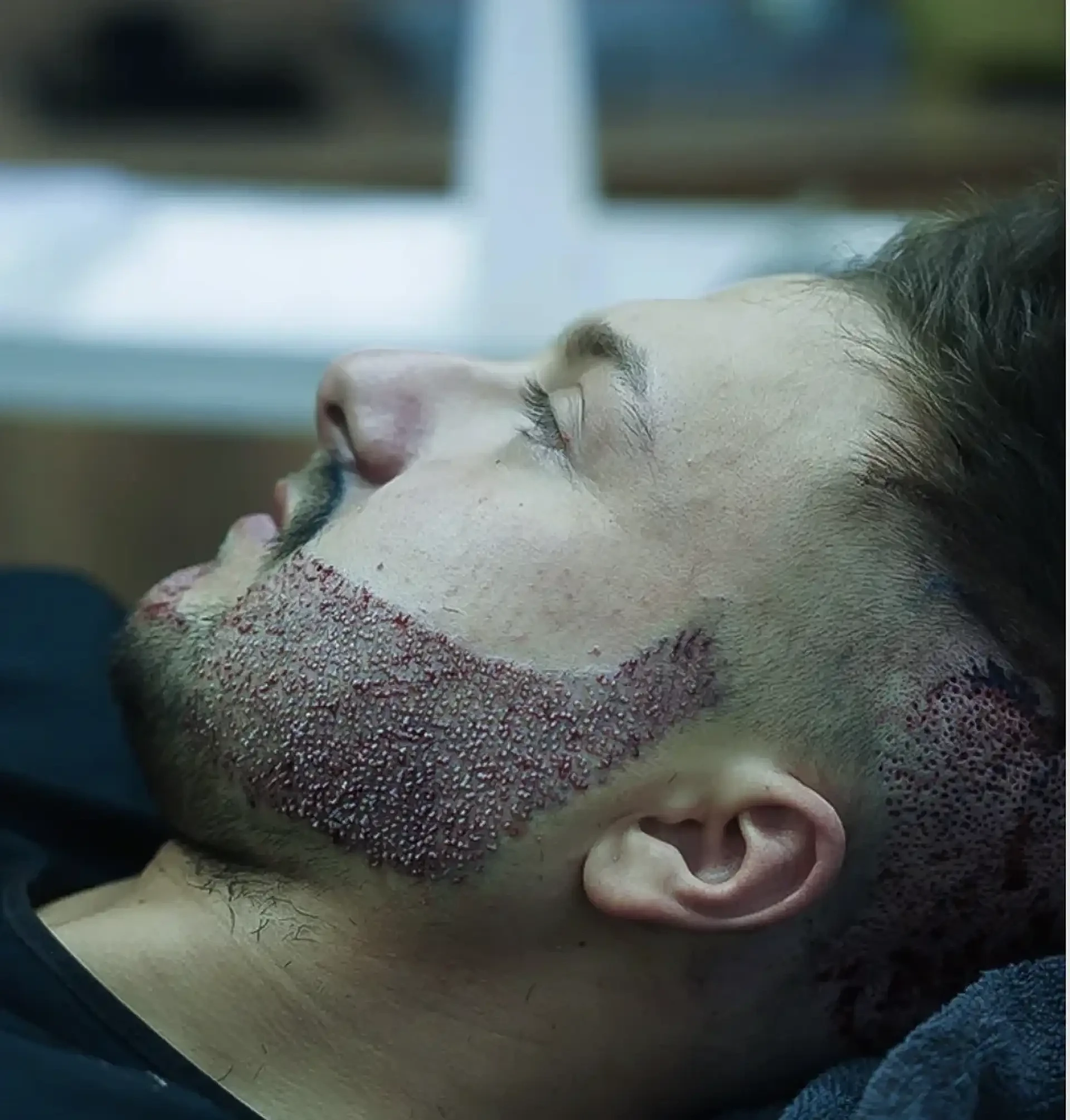
Beard transplant uses FUE technique to harvest follicular units from the scalp and transplant them into areas of the beard that are sparse, patchy, or absent. It is highly effective for creating a fuller, denser beard for men who cannot grow a full beard due to genetics, scarring, or medical conditions.
View details
 SurgicalHair
DHI Hair Transplant
No reviews yet
View details
 SurgicalHair
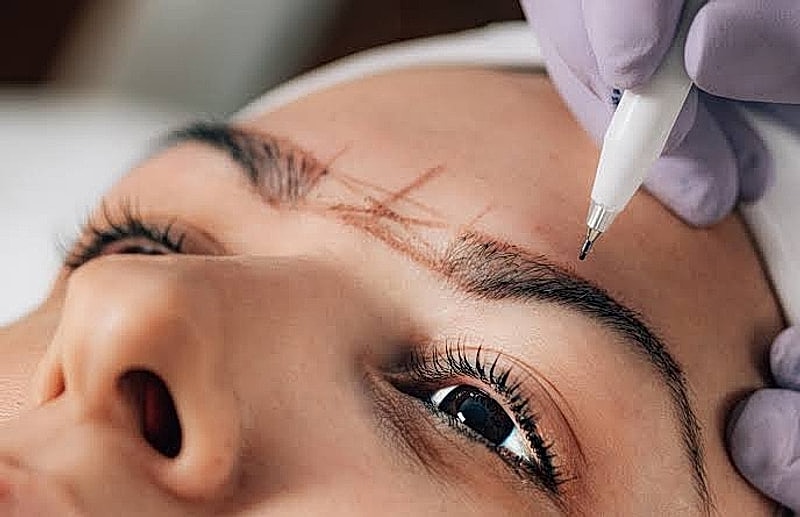
Eyebrow Transplant
No reviews yet•PKR 80k–2L
Eyebrow transplant uses FUE to restore sparse, absent, or scarred eyebrows by transplanting follicular units from the scalp into the eyebrow area. It is sought after over-plucking, alopecia, trauma, thyroid disease, or trichotillomania that has left eyebrows thin or absent.
View details
 SurgicalHair
Eyelash Transplant
No reviews yet
View details
 SurgicalHair
FUE Hair Transplant
No reviews yet
View details
 Hair
HairHair Loss Treatment
No reviews yet
View details
 Hair
HairHair Mesotherapy
No reviews yet
Hair mesotherapy involves injecting a customised blend of vitamins, minerals, amino acids, and DHT-blockers directly into the scalp at the level of the hair follicles. It aims to nourish the scalp environment, improve blood flow, and reduce factors that contribute to hair loss.
View details
 SurgicalHair
Hair Transplant (FUE)
No reviews yet•PKR 80k–3.5L
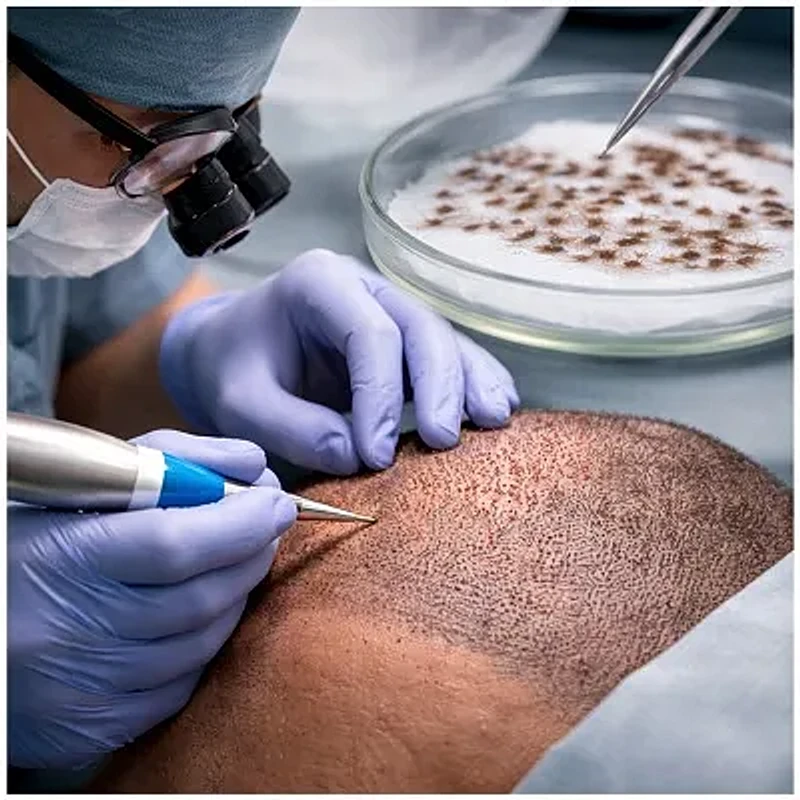
FUE (Follicular Unit Extraction) hair transplant is the gold-standard surgical method for restoring hair to areas affected by androgenetic alopecia (male or female pattern hair loss). Individual follicular units are extracted from a donor area (typically the back of the scalp) and reimplanted into the recipient zone with precision.
View details
 SurgicalHair
Hair Transplant (FUT / Strip)
No reviews yet•PKR 60k–2.5L
FUT (Follicular Unit Transplantation) or strip method involves removing a linear strip of scalp from the donor area, dissecting it into individual follicular unit grafts, and transplanting them into the recipient zone. It allows a high number of grafts in a single session and leaves a linear donor scar hidden by surrounding hair.
View details
 Hair
HairHair Transplant (General)
No reviews yet•PKR 80k–3.5L
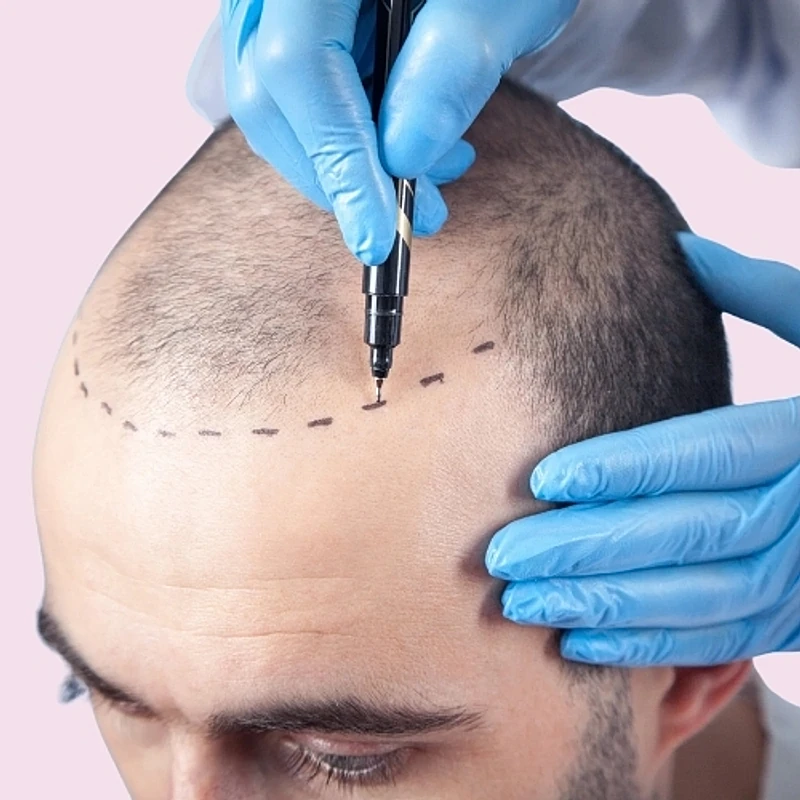
Hair transplant surgery permanently restores hair to thinning or bald areas using follicular unit grafts taken from the patient's own scalp. The procedure uses either FUE (follicular unit extraction) or FUT (strip method) depending on the patient's needs, donor availability, and preference regarding donor area scarring.
View details
 Hair
HairLaser Hair Therapy (LLLT)
No reviews yet
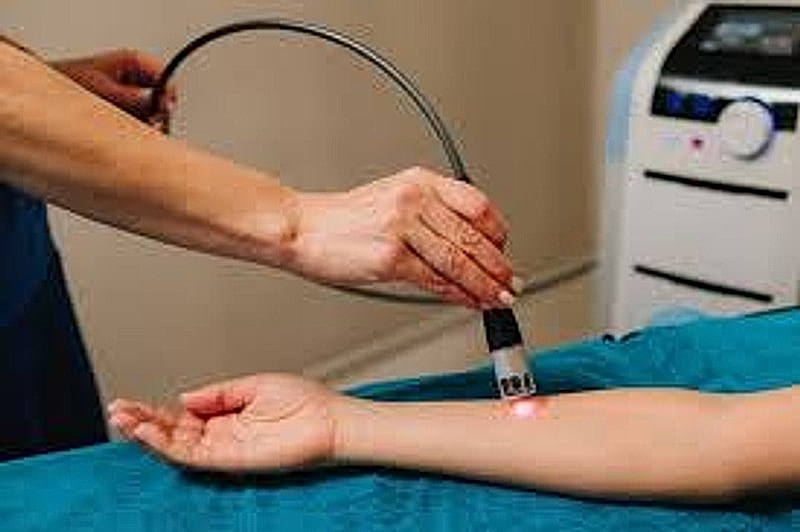
Low-level laser therapy (LLLT) for hair uses red-light laser or LED energy to stimulate hair follicle activity, increase blood flow to the scalp, and extend the growth phase. It is a non-invasive, painless treatment used for early to moderate hair loss in both men and women.
View details
 Hair
HairLow-Level Laser Therapy
No reviews yet
View details
 Hair
HairLow-Level Laser Therapy for Hair
No reviews yet•PKR 5k–20k
LLLT (low-level laser therapy) for hair is the same as laser hair therapy — the use of red-light laser or LED devices to stimulate hair follicles, reduce inflammation, and slow pattern hair loss. Home-use devices such as laser caps and helmets have FDA clearance and make LLLT accessible as a regular maintenance treatment.
View details
 Hair
HairMicroblading
No reviews yet
View details
 SurgicalHair
NeoGraft
No reviews yet
View details
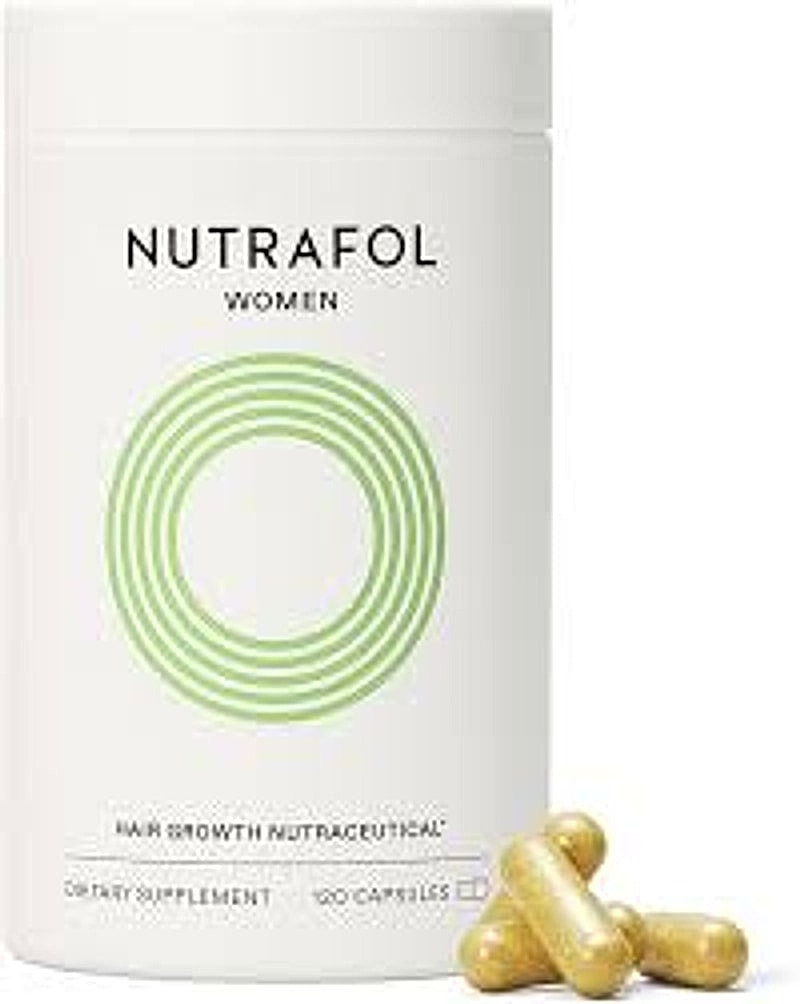 Hair
HairNutrafol
No reviews yet
View details
 Hair
HairPRP Hair Treatment
No reviews yet•PKR 10k–30k
PRP (platelet-rich plasma) injections for hair loss use the patient's own blood — concentrated to increase platelet content — and inject it into the scalp to stimulate dormant follicles and prolong the growth phase of the hair cycle. It is used to treat androgenetic alopecia and alopecia areata in both men and women.
View details
 Hair
HairPRP for Hair Loss
No reviews yet
PRP for hair loss is the same treatment as PRP hair — autologous platelet-rich plasma injected into the scalp to stimulate follicular activity and reduce hair shedding. It is most effective as a maintenance or early intervention treatment, and as an adjunct to hair transplant surgery to improve graft survival.
View details
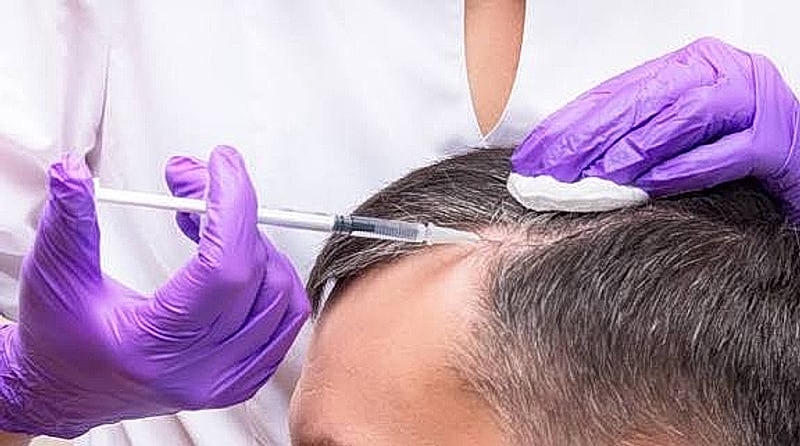 Hair
HairPRP for Hair Loss
No reviews yet
View details
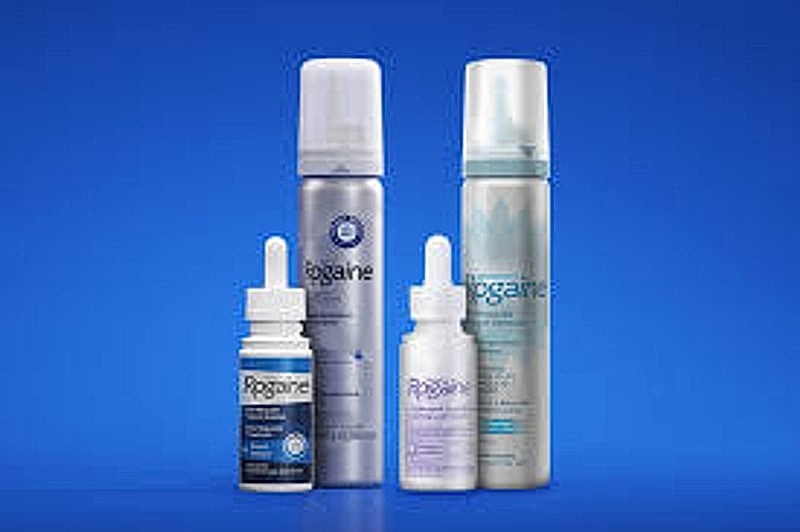 Hair
HairRogaine
No reviews yet
View details
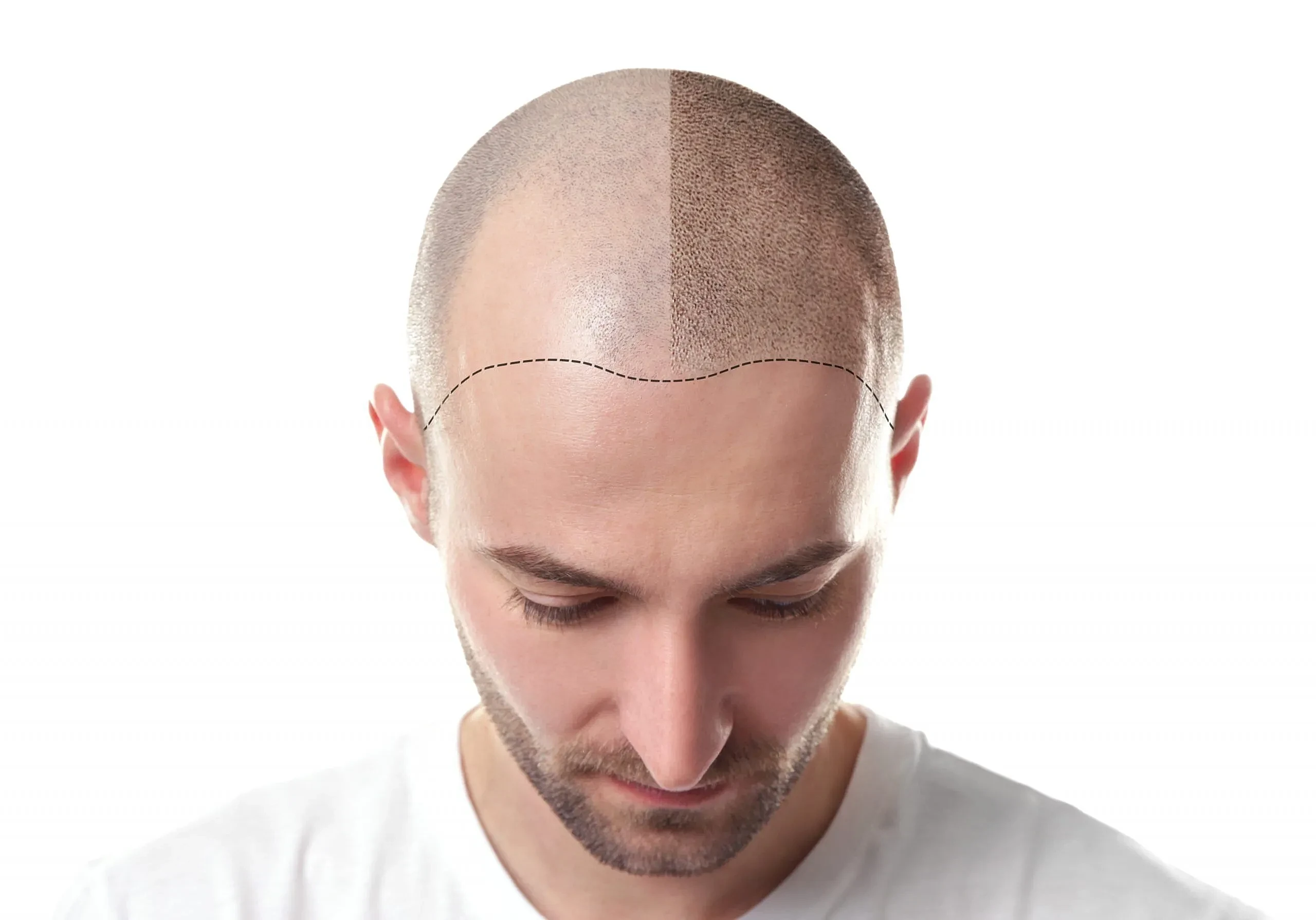 Hair
HairScalp Micropigmentation (SMP)
No reviews yet•PKR 30k–1.2L
Scalp micropigmentation (SMP) is a non-surgical procedure that uses specialised tattooing to deposit pigment into the scalp dermis, creating the illusion of hair follicles or a shaved head appearance. It is suitable for patients with hair loss at any stage, those with scars, or those wanting to create the appearance of a fuller, denser head of hair.
View details
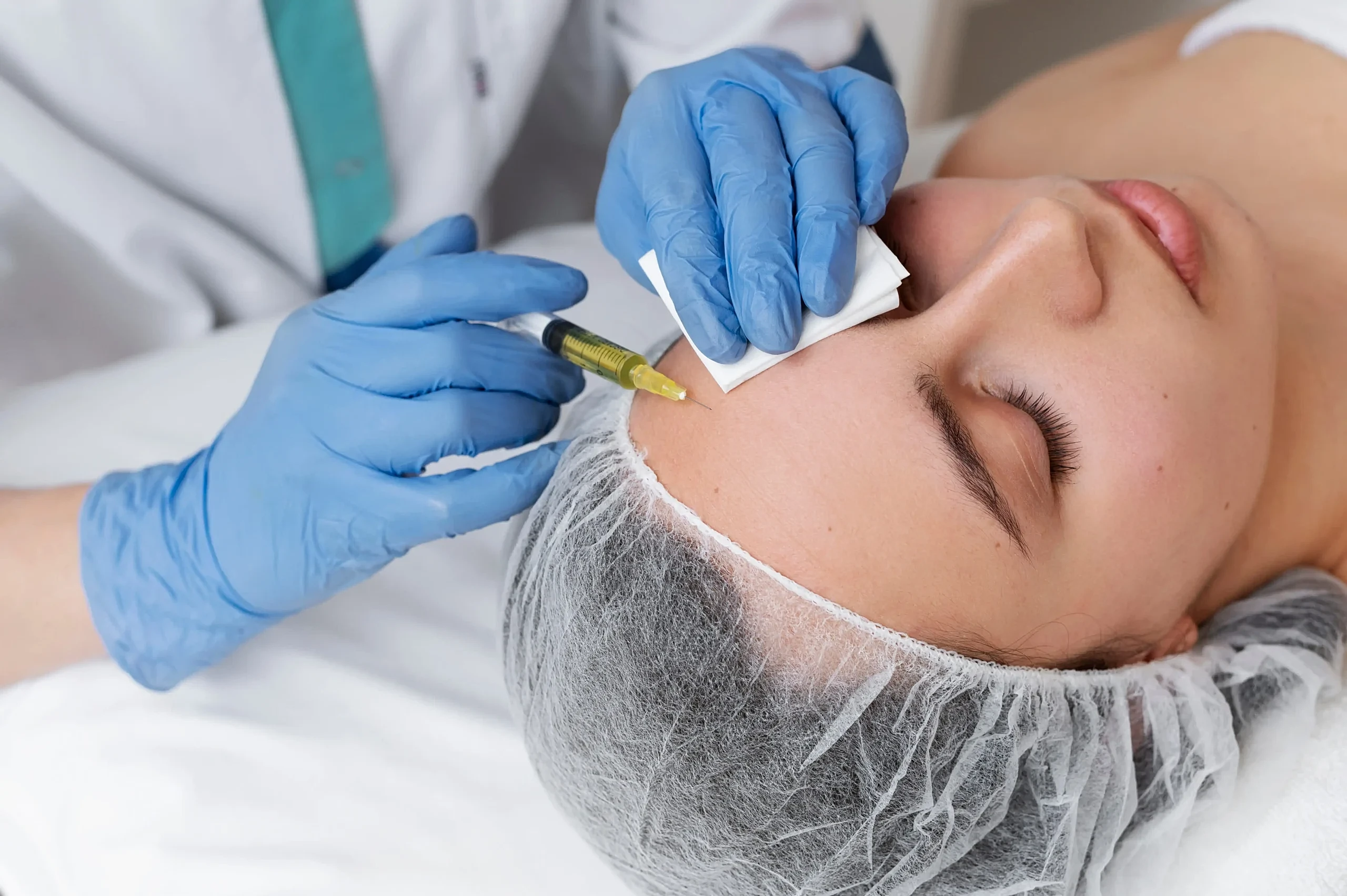 Injectables
ALMI
No reviews yet
View details
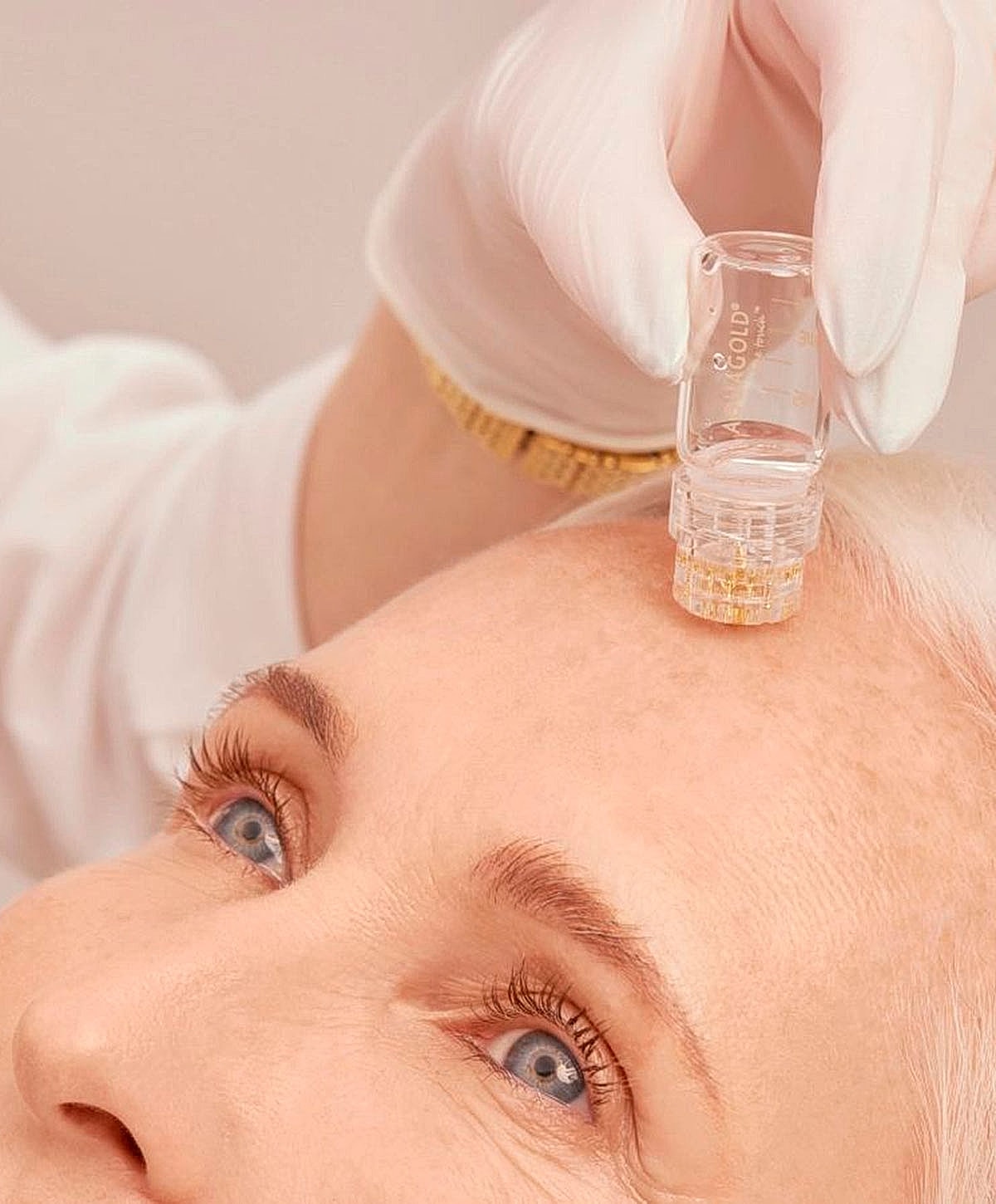 Injectables
Aquagold
No reviews yet
View details
 Injectables
Aquamid
No reviews yet
View details
 Injectables
ArteFill
No reviews yet
View details
 Injectables
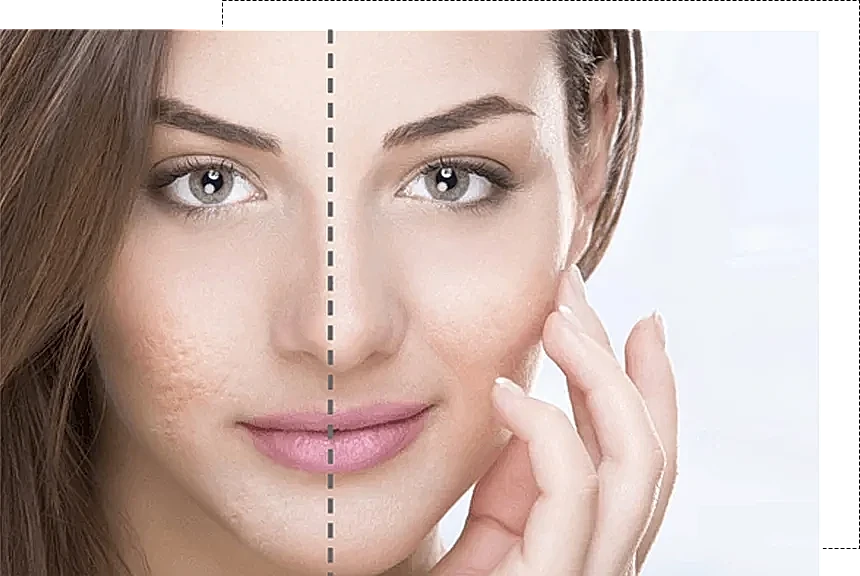
Bellafill
No reviews yet
View details
 Injectables
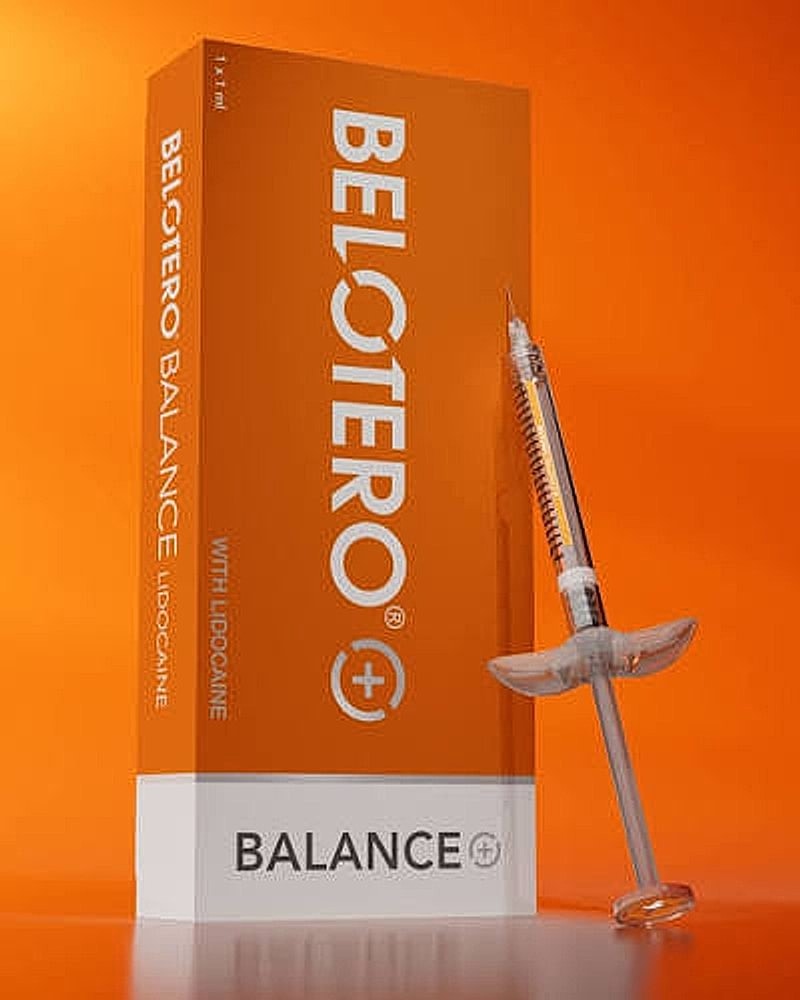
Belotero
No reviews yet
View details
 Injectables
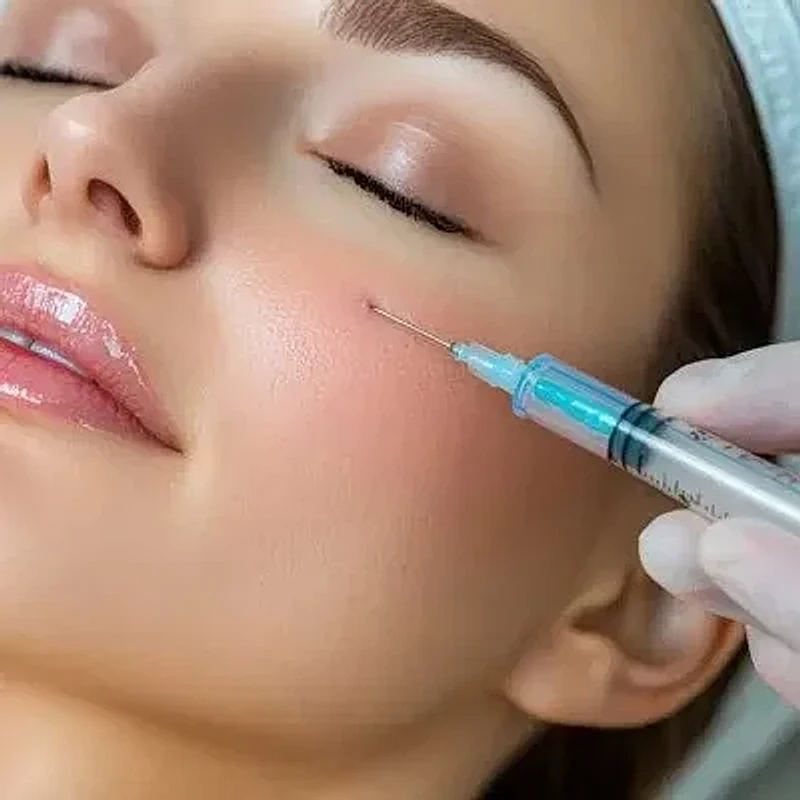
Botox / Anti-Wrinkle Injections
No reviews yet•PKR 20k–70k
Botox (botulinum toxin type A) is an injectable neuromodulator that temporarily relaxes overactive muscles to soften dynamic wrinkles — lines formed by repetitive facial expressions such as frowning, squinting, or raising the brows. Common treatment areas include the forehead, frown lines between the brows, and crow's feet.
View details
 Injectables
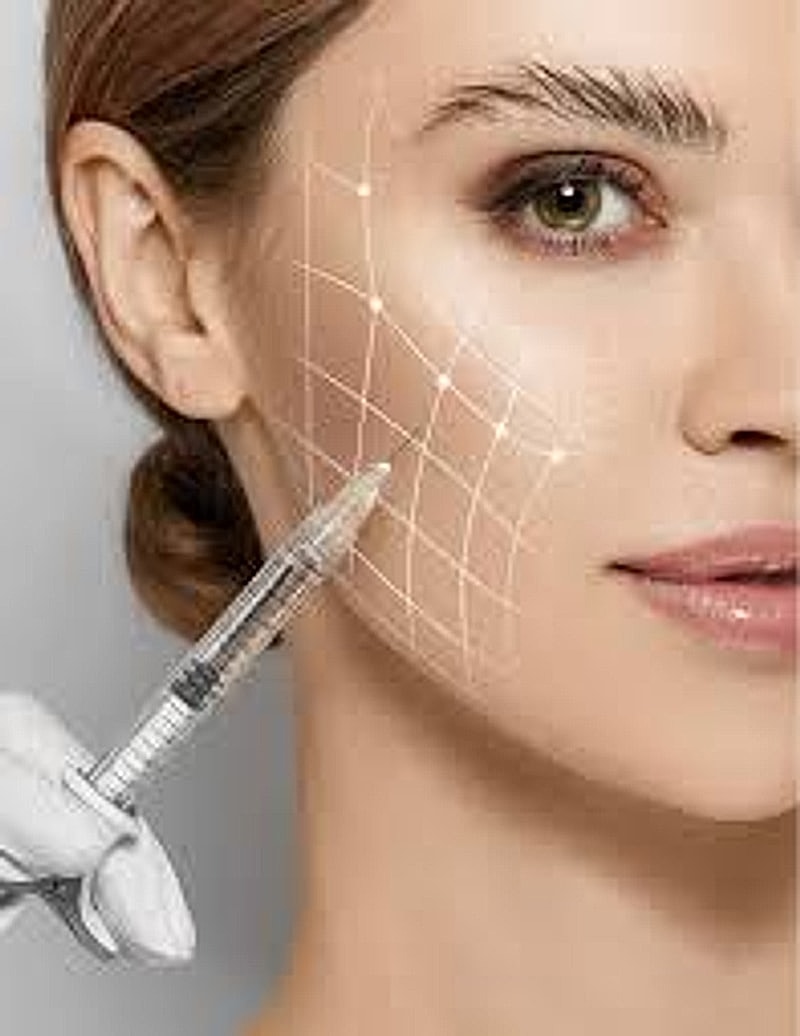
Cheek Fillers
No reviews yet•PKR 30k–80k
Cheek fillers use hyaluronic acid to restore volume to the mid-face, lift the lower face, and create higher, more defined cheekbones. As facial fat pads descend with age, cheek fillers replace lost volume and provide a subtle lifting effect on the nasolabial folds and jowls.
View details
 Injectables
Collagen Injection
No reviews yet
View details
 Injectables
Contour Thread Lift
No reviews yet
View details
 Injectables
Daxxify
No reviews yet
View details
 Injectables
Dermal Fillers
No reviews yet•PKR 25k–70k
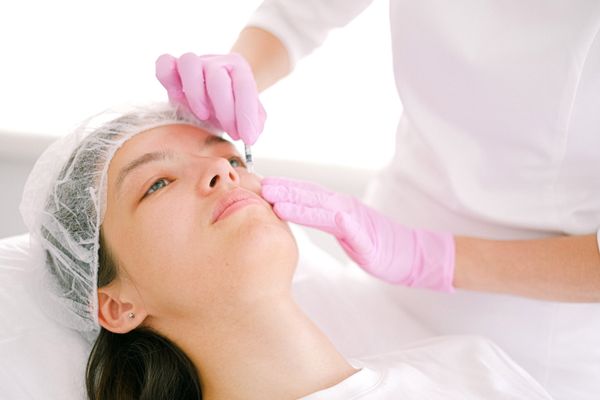
Dermal fillers are injectable gels — most commonly hyaluronic acid — used to restore volume, smooth folds, and enhance facial contours. They can address nasolabial folds, marionette lines, sunken temples, hollowed cheeks, under-eye troughs, and more. Results are immediate and reversible.
View details
 Injectables
Double Chin Injection (Fat Dissolving)
No reviews yet•PKR 25k–80k
Double chin injections (deoxycholic acid, brand name Kybella in some markets) dissolve submental fat non-surgically. The medication permanently destroys fat cells under the chin, reducing the appearance of a double chin without liposuction. Multiple sessions are typically required for optimal results.
View details
 Injectables
Dysport
No reviews yet
View details
 Injectables
Ellanse
No reviews yet
View details
 Injectables
Hyaluronidase
No reviews yet
View details
 Injectables
Jawline Filler
No reviews yet•PKR 30k–80k
Jawline filler uses hyaluronic acid injections along the mandible to define the jaw, reduce jowls, and create a sharper facial profile. It is one of the most transformative non-surgical treatments for improving facial structure and reducing the appearance of early jowling.
View details
 Injectables
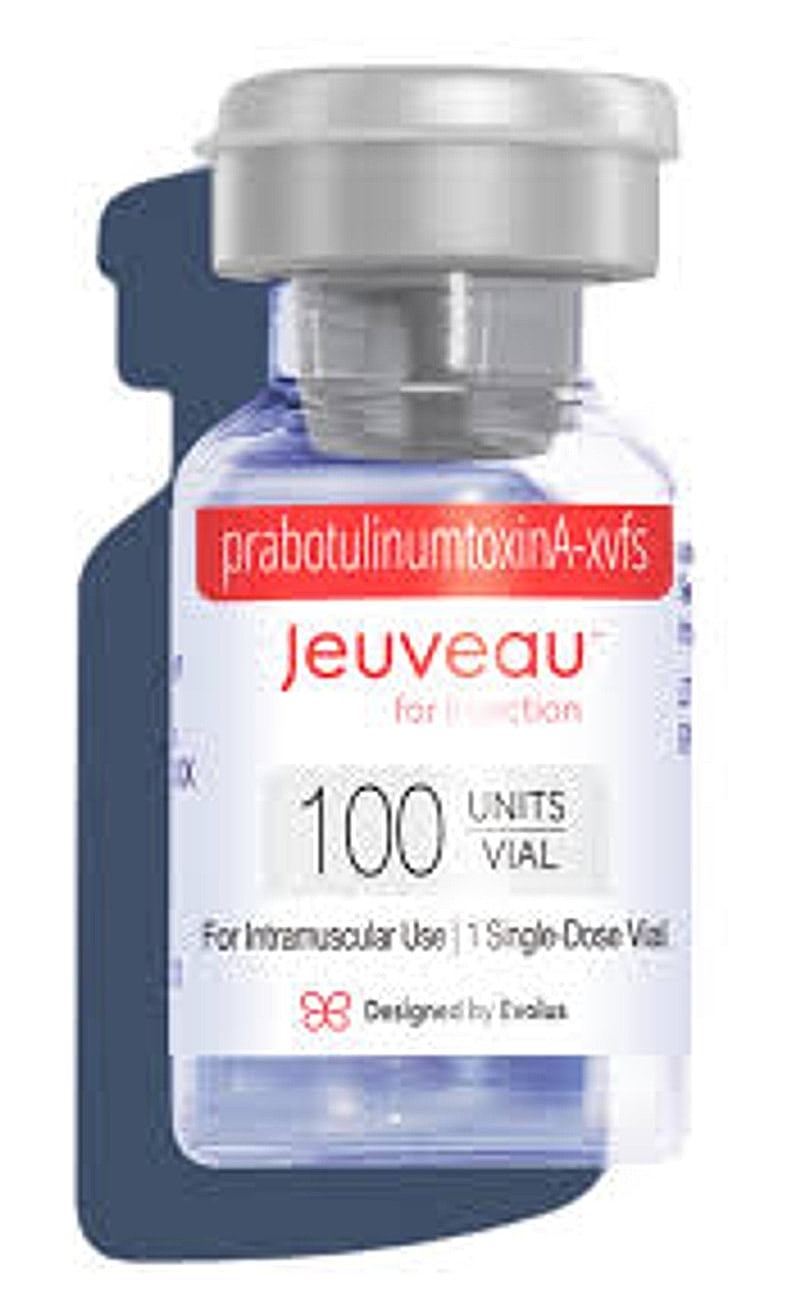
Jeuveau
No reviews yet
View details
 Injectables
Juvederm
No reviews yet
View details
 Injectables
Kybella
No reviews yet
View details
 Injectables
Lip Fillers
No reviews yet•PKR 20k–60k
Lip fillers use hyaluronic acid injections to add volume, improve shape, and define the borders of the lips. They are among the most popular non-surgical aesthetic treatments, offering a natural-looking enhancement that can be tailored precisely to the patient's proportions and desired outcome.
View details
 Injectables
Lipodissolve
No reviews yet
View details
 Injectables
Liquid Facelift
No reviews yet
View details
 Injectables
Mesotherapy
No reviews yet•PKR 8k–25k
Mesotherapy involves multiple microinjections of a customised cocktail of vitamins, minerals, amino acids, hyaluronic acid, and other active ingredients into the mesodermal layer of the skin. It targets skin hydration, fine lines, radiance, and facial rejuvenation.
View details
 Injectables
MyEllevate
No reviews yet
View details
 Injectables
Non-Surgical Rhinoplasty
No reviews yet•PKR 35k–1L
Non-surgical rhinoplasty uses dermal filler injections to reshape and refine the nose without any cuts or general anaesthesia. It can smooth a dorsal hump, lift a drooping tip, correct minor asymmetry, or improve nasal proportions. Results are temporary and reversible.
View details
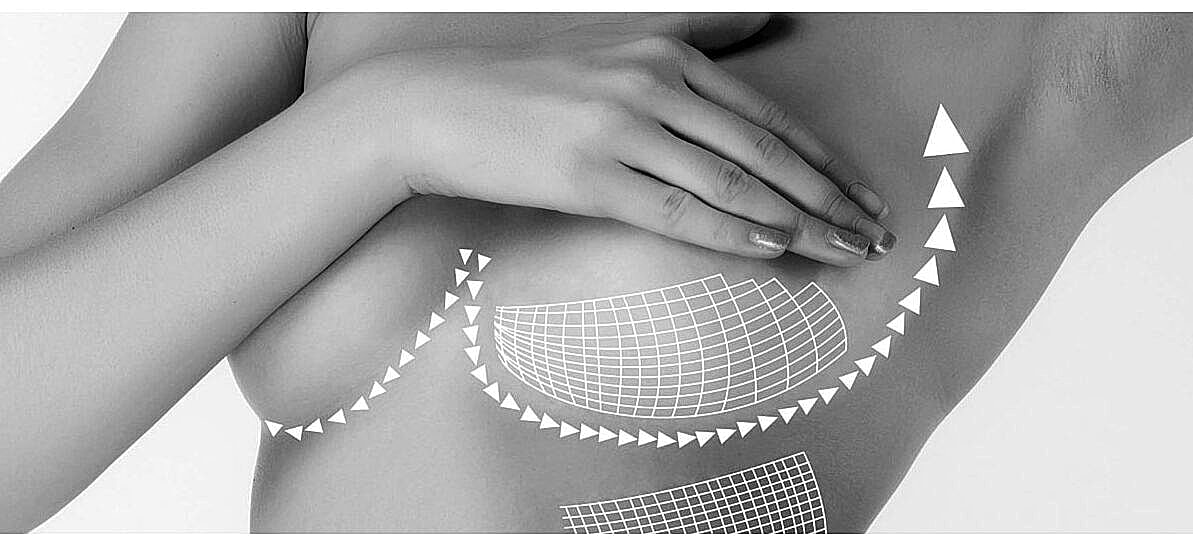 Injectables
Nonsurgical Breast Lift
No reviews yet
View details
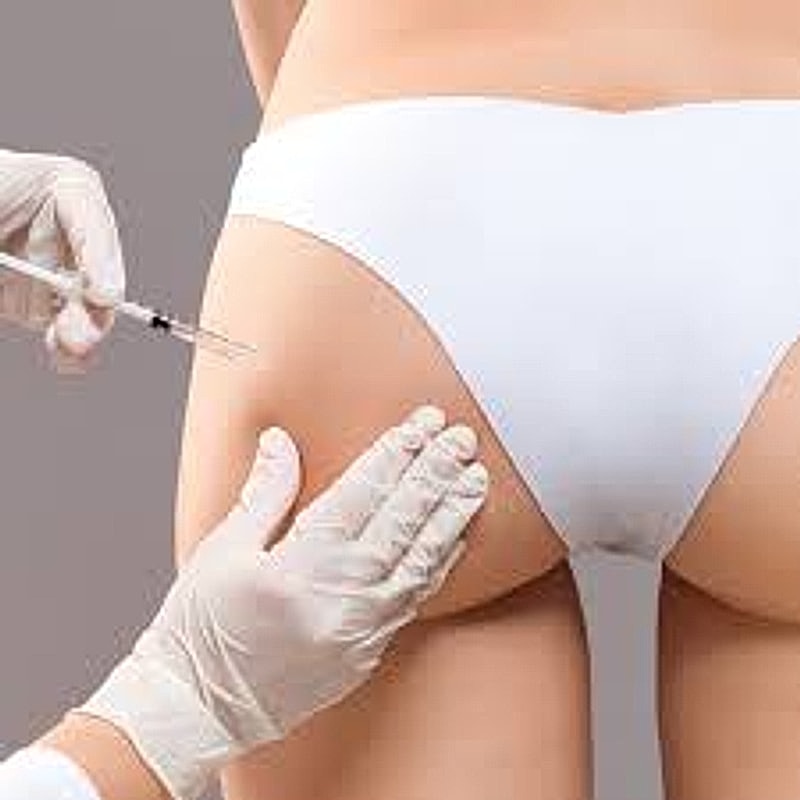 Injectables
Nonsurgical Butt Lift
No reviews yet
View details
 Injectables
Nonsurgical Facelift
No reviews yet
View details
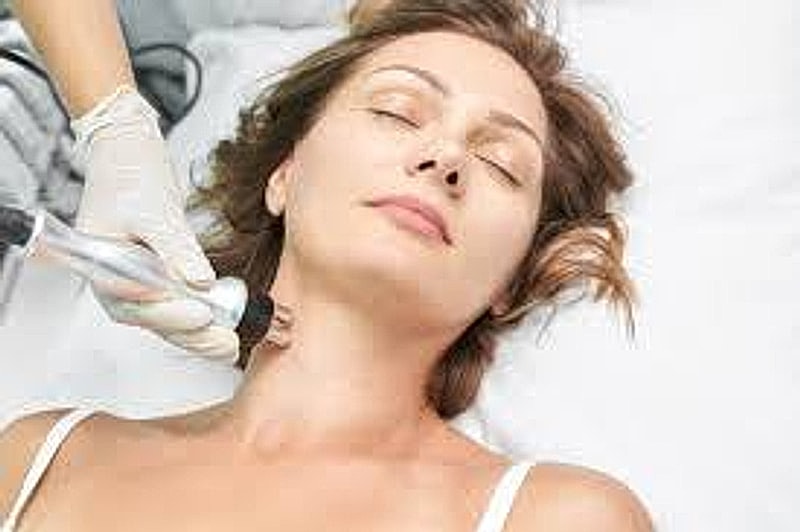 Injectables
Nonsurgical Neck Lift
No reviews yet
View details
 Injectables
Nonsurgical Nose Job
No reviews yet
View details
 Injectables
NovaThreads
No reviews yet
View details
 Injectables
PRF Treatment
No reviews yet
View details
 Injectables
PRP Facial (Vampire Facial)
No reviews yet•PKR 10k–30k
PRP (platelet-rich plasma) facial treatment uses the patient's own blood, centrifuged to concentrate platelets, and re-injected or micro-needled into the face to stimulate collagen production, improve skin texture, and enhance overall skin vitality. It is sometimes called the 'vampire facial.'
View details
 Injectables
PRP Injections
No reviews yet
View details
 Injectables
Profhilo (Skin Booster)
No reviews yet•PKR 50k–1.2L
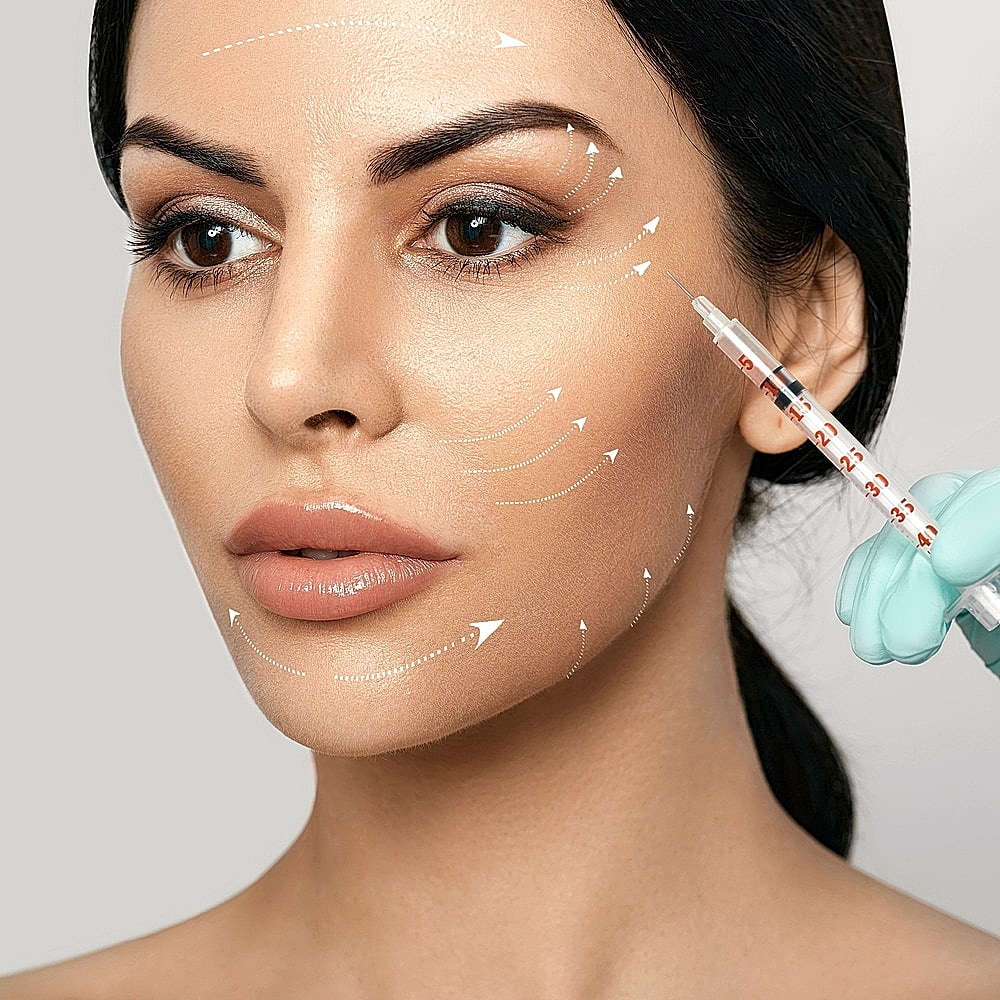
Profhilo is an injectable hyaluronic acid preparation — one of the highest concentrations available — designed specifically for skin bio-remodelling. It spreads through the tissue (rather than remaining as a bolus) to deeply hydrate the skin, stimulate collagen and elastin production, and improve overall skin quality and laxity.
View details
 Injectables
Profilho
No reviews yet
View details
 Injectables
RHA Collection Fillers
No reviews yet
View details
 Injectables
Radiesse
No reviews yet
View details
 Injectables
Renuva
No reviews yet
View details
 Injectables
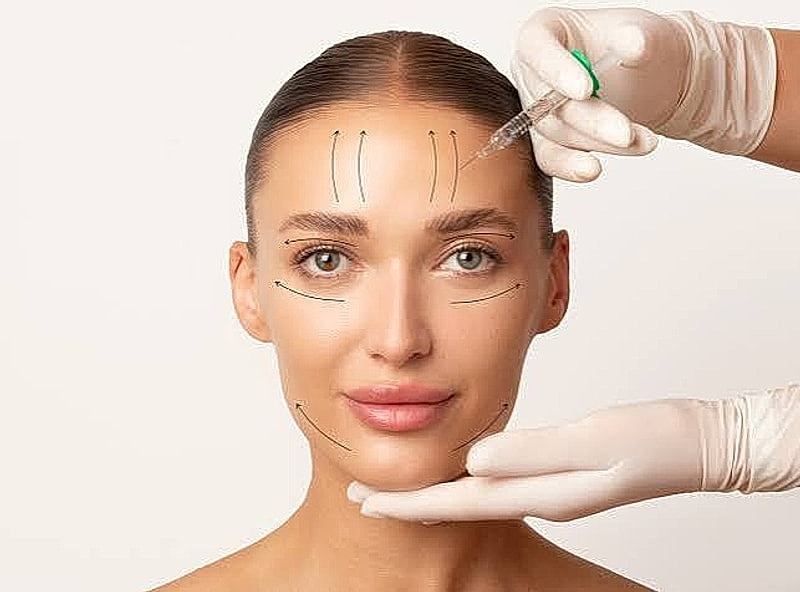
Restylane
No reviews yet
View details
 Injectables
Revanesse
No reviews yet
View details
 Injectables
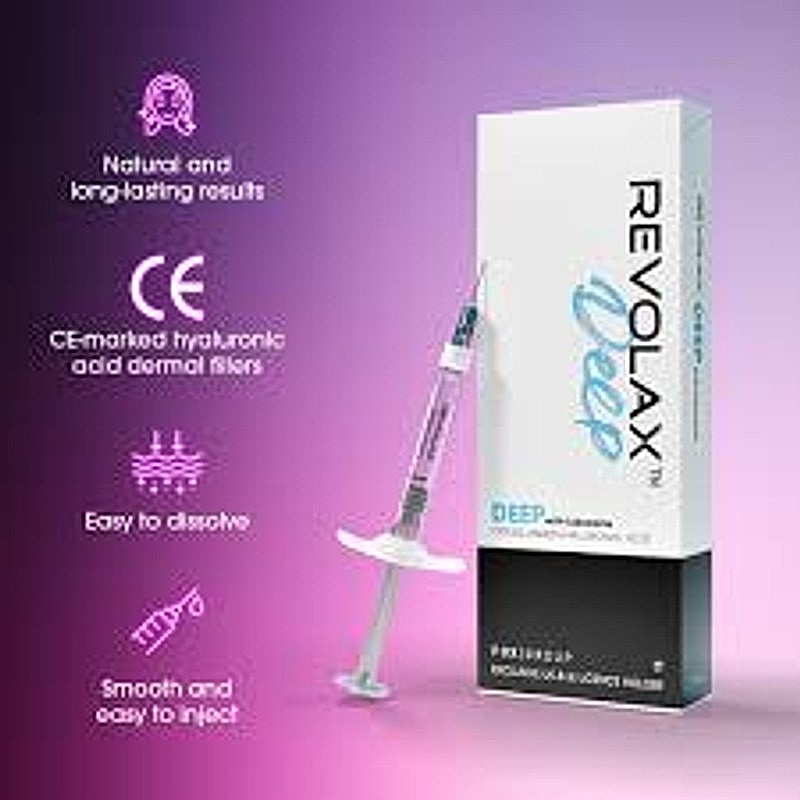
Revolax
No reviews yet
View details
 Injectables
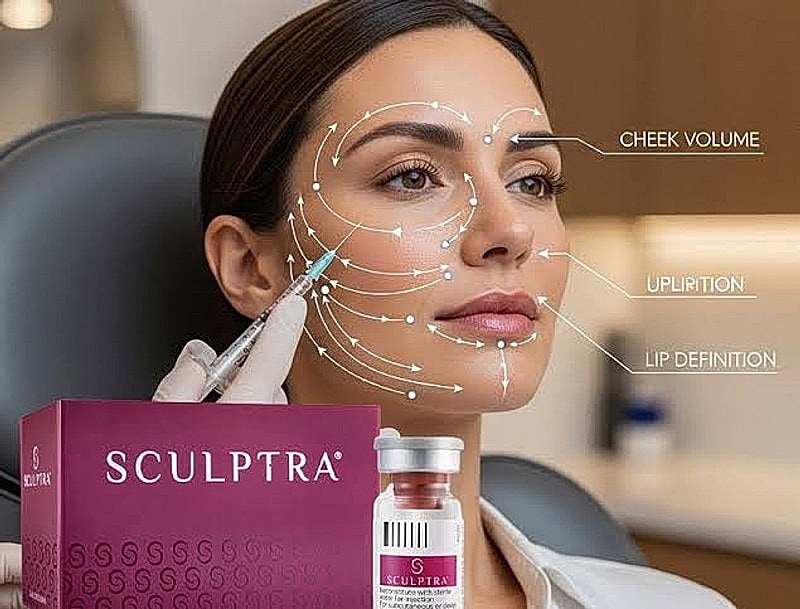
Sculptra (Poly-L-Lactic Acid)
No reviews yet•PKR 60k–1.8L
Sculptra (poly-L-lactic acid, or PLLA) is an injectable biostimulator that gradually restores facial volume by stimulating the skin's own collagen production. Unlike hyaluronic acid fillers, Sculptra works progressively — results develop over 3–6 months as new collagen builds in the treated areas.
View details
 Injectables
Silhouette InstaLift
No reviews yet
View details
 Injectables
Silhouette Soft
No reviews yet
View details
 SurgicalInjectables
Silicone Injection Removal
No reviews yet
View details
 Injectables
Silicone Injections
No reviews yet
View details
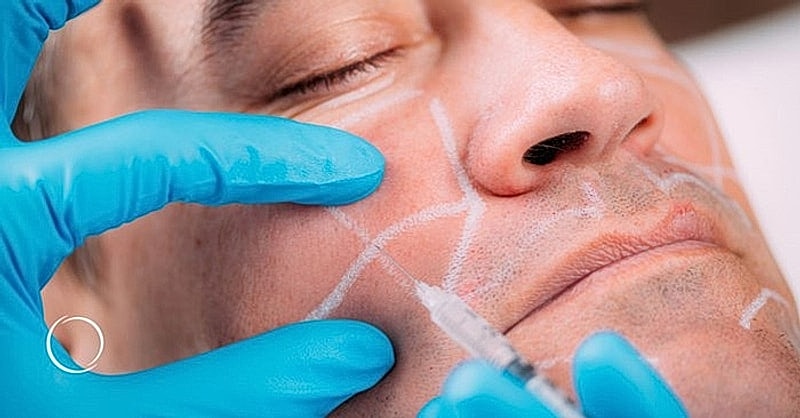 Injectables
Silikon 1000
No reviews yet
View details
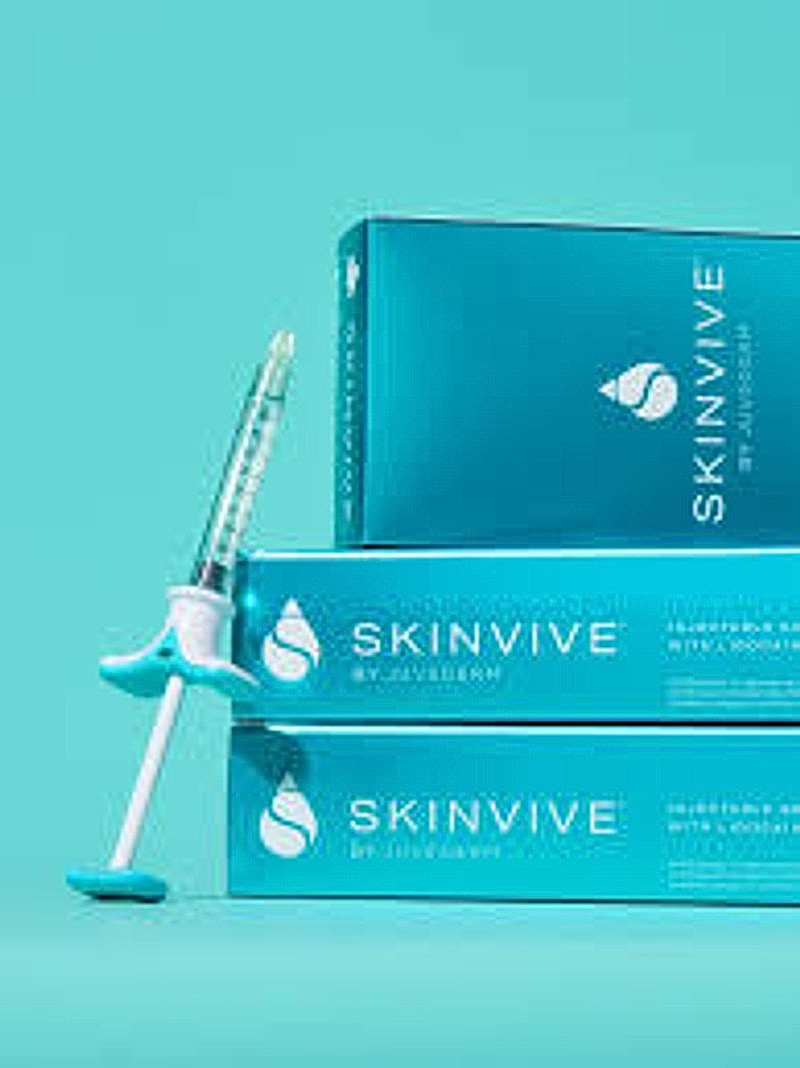 Injectables
Skinvive by Juvederm
No reviews yet
View details
 Injectables
Tear Trough Fillers
No reviews yet•PKR 30k–80k
Tear trough filler is a precise hyaluronic acid injection technique used to soften the hollow depression that runs from the inner corner of the eye down along the lid-cheek junction. This hollow creates the appearance of dark circles, shadowing, and a tired look. Filler placed here can dramatically refresh the eye area.
View details
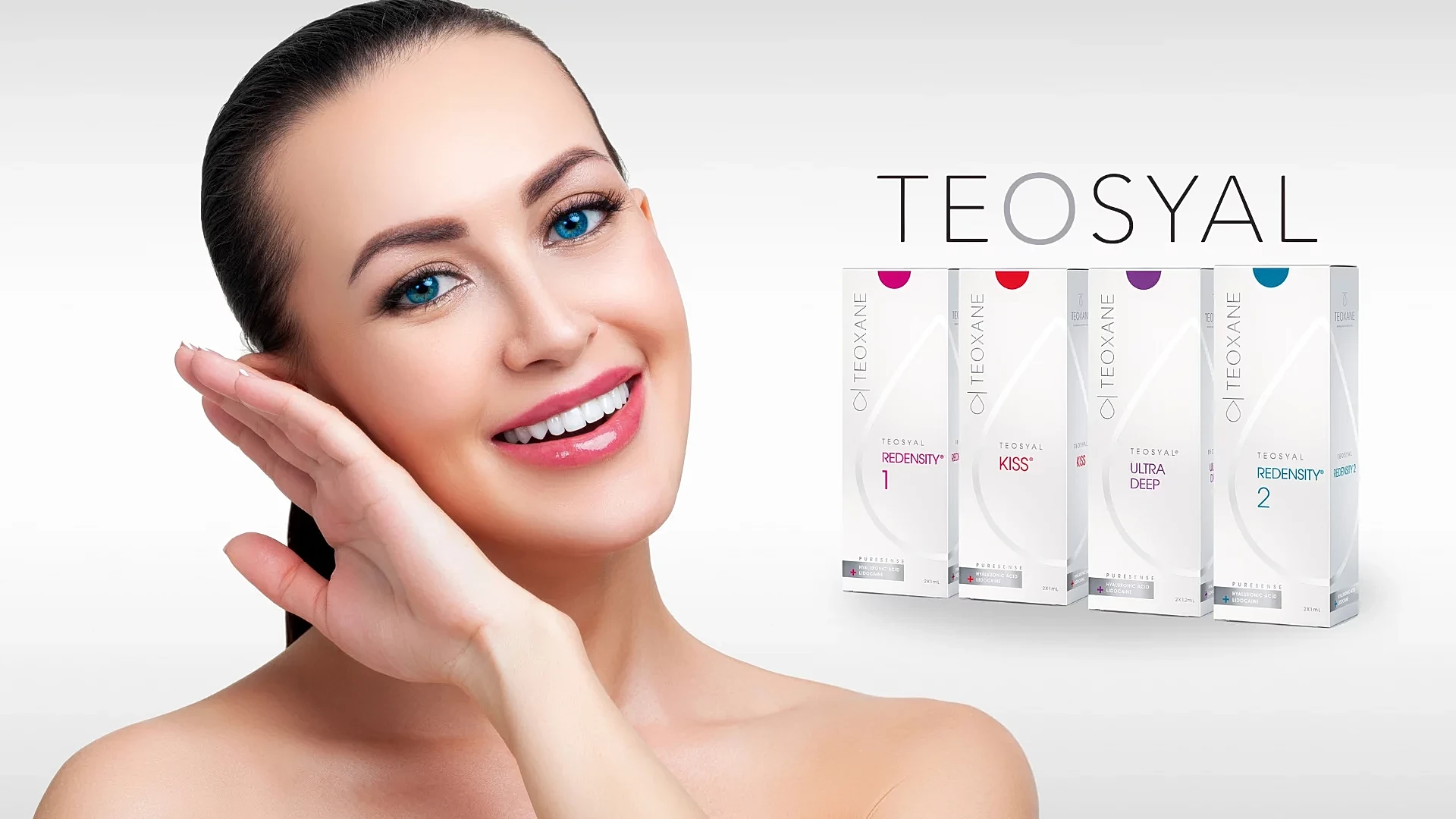 Injectables
Teosyal
No reviews yet
View details
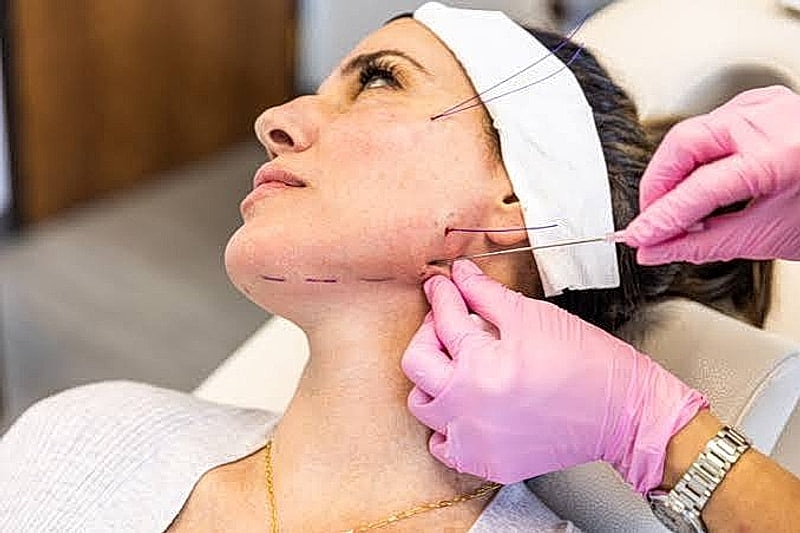 Injectables
Thread Lift
No reviews yet•PKR 50k–1.5L
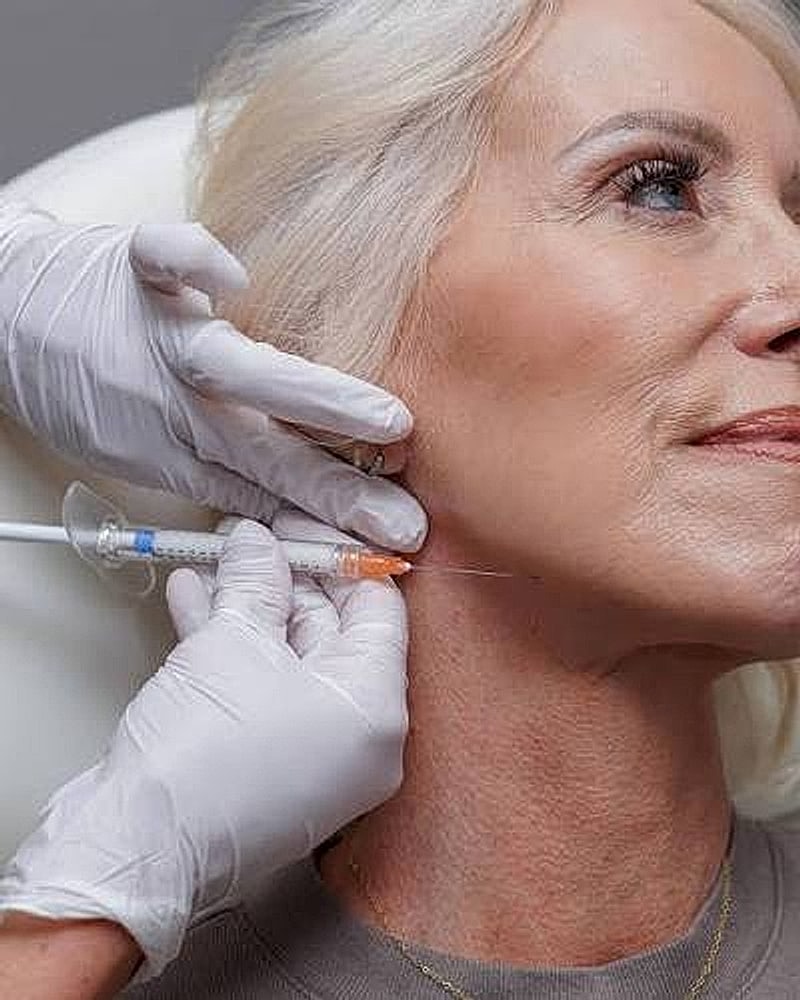
A thread lift is a minimally invasive procedure that lifts and repositions sagging facial tissue using absorbable sutures with tiny cones or barbs. It provides immediate lifting of the midface, jowls, and brows without the recovery of a surgical facelift, and stimulates collagen production as the threads dissolve.
View details
 Injectables
Vampire Facelift
No reviews yet
View details
 Injectables
Xeomin
No reviews yet
View details
 Intimate
CO2RE Intima
No reviews yet
View details
 SurgicalIntimate
Clitoral Hood Reduction
No reviews yet
Clitoral hood reduction (clitoral hoodoplasty) removes excess prepuce (hood) tissue that covers the clitoris. It can be performed for aesthetic reasons or to address functional concerns such as difficulty achieving stimulation due to excessive covering tissue. It is often performed alongside labiaplasty.
View details
 SurgicalIntimate
Cosmetic Circumcision
No reviews yet
Cosmetic circumcision removes the foreskin for aesthetic, hygiene, or personal preference reasons in men who are not medically indicated for the procedure. It is also chosen for religious or cultural reasons. When performed with proper technique, it is a safe, straightforward procedure.
View details
 SurgicalIntimate
Fat Transfer to Labia Majora
No reviews yet
Fat transfer to the labia majora restores volume to deflated or atrophied outer vulvar lips using the patient's own fat. Loss of labial fat occurs with ageing, weight loss, or hormonal changes, and can cause a flat or aged appearance to the vulva. The procedure uses fat harvested from another body area.
View details
 Intimate
FemTouch
No reviews yet
View details
 Intimate
FemiLift
No reviews yet
View details
 Intimate
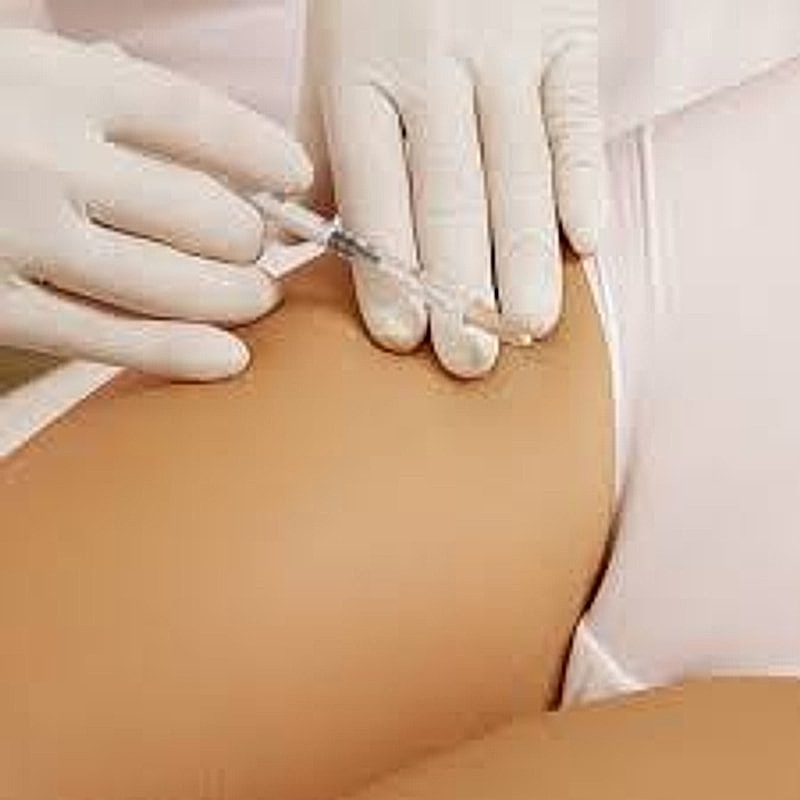
G-Shot
No reviews yet
View details
 Intimate
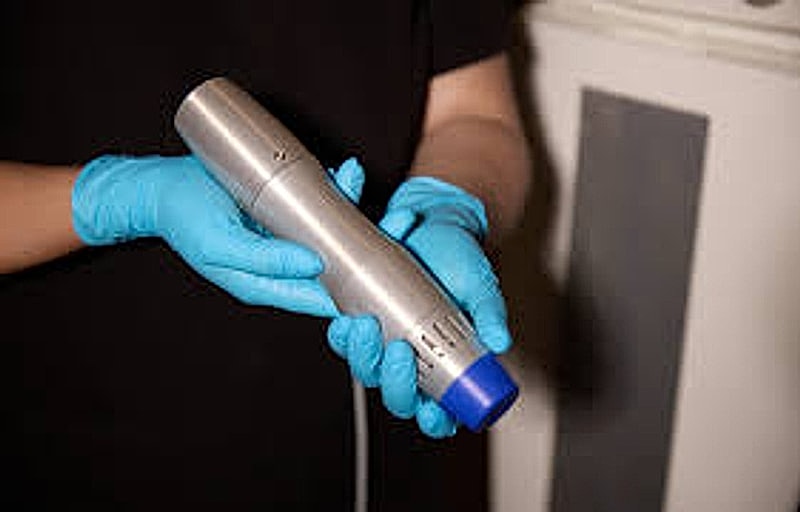
GainsWave
No reviews yet
View details
 SurgicalIntimate
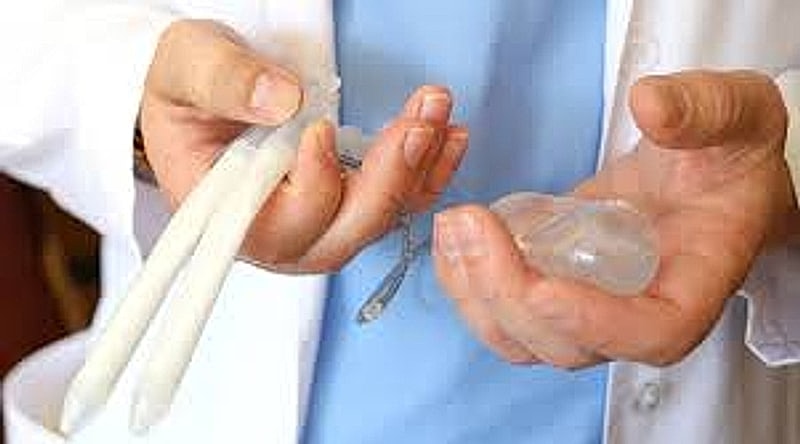
Himplant Penile Implant
No reviews yet
View details
 SurgicalIntimate
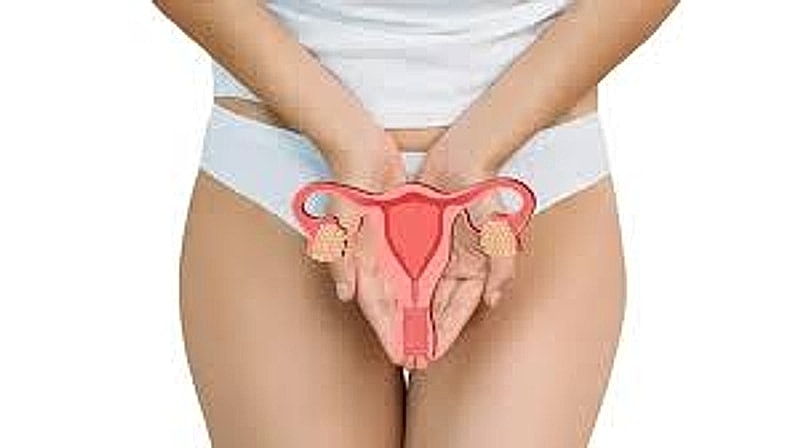
Hymenoplasty
No reviews yet
Hymenoplasty is a surgical procedure that reconstructs the hymen, either by suturing existing hymenal remnants back together or by using a small flap of vaginal mucosa. The procedure is performed for personal, cultural, or religious reasons and is a sensitive procedure requiring non-judgmental care.
View details
 Intimate
Intimate Skin Lightening
No reviews yet
Intimate skin lightening uses topical, chemical peel, or laser treatments to reduce pigmentation in intimate areas such as the inner thighs, vulva, underarms, and perianal region. Hyperpigmentation in these areas is extremely common and is caused by friction, hormonal changes, and natural variation in melanin distribution.
View details
 Intimate
Juliet
No reviews yet
View details
 SurgicalIntimate
Labia Majora Reduction
No reviews yet
View details
 Intimate
Labia Puffing
No reviews yet
View details
 Intimate
MonaLisa Touch
No reviews yet
View details
 SurgicalIntimate
Monsplasty
No reviews yet
Monsplasty removes excess fat and skin from the mons pubis — the rounded area of fatty tissue above the pubic bone. The mons can enlarge after weight gain, significant weight loss, or with ageing, creating a prominent bulge that is uncomfortable and aesthetically distressing. The procedure is often combined with a tummy tuck.
View details
 Intimate
Non-Surgical Vaginal Tightening
No reviews yet
Non-surgical vaginal tightening uses radiofrequency or laser energy to stimulate collagen production in the vaginal mucosa and the external vulvar tissues. Devices such as the Mona Lisa Touch, FemTouch, or Votiva can improve vaginal laxity, dryness, and mild stress urinary incontinence without surgery.
View details
 Intimate
O-Shot
No reviews yet
View details
 Intimate
P-Shot
No reviews yet
View details
 Intimate
Pearly Penile Papules Treatment
No reviews yet
View details
 Intimate
Penile Girth Enhancement
No reviews yet
Penile girth enhancement increases the circumference (thickness) of the penis using fat transfer, hyaluronic acid filler, or dermal matrix grafting. It is a sensitive procedure requiring careful patient selection and realistic expectations regarding outcome and potential complications.
View details
 SurgicalIntimate
Penile Implant
No reviews yet
A penile implant (penile prosthesis) is a medical device surgically placed inside the penis to enable erections in men with erectile dysfunction that has not responded to medication or other treatments. There are two main types: malleable (semi-rigid) rods and inflatable (multi-component) devices.
View details
 SurgicalIntimate
Penile Lengthening
No reviews yet
Penile lengthening surgery releases the suspensory ligament that attaches the base of the penis to the pubic bone, allowing the internal portion of the penis to extend externally. It can add 1–2 cm of flaccid length, though erect length improvement is variable and often minimal.
View details
 SurgicalIntimate
Penis Enlargement
No reviews yet
View details
 Intimate
Penis Fillers
No reviews yet
View details
 SurgicalIntimate
Perineoplasty
No reviews yet
Perineoplasty reconstructs and tightens the perineum — the area between the vaginal opening and the anus — which may have become lax, scarred, or distorted following childbirth, episiotomy, or perineal tearing. It improves both the appearance and function of the perineum and posterior vaginal opening.
View details
 SurgicalIntimate
Peyronie's Correction
No reviews yet
Peyronie's disease causes fibrous scar tissue (plaques) to form within the penis, resulting in curvature, shortening, or pain during erection. Surgical correction is considered for stable disease (unchanged for 12 months) that causes significant functional difficulty. Techniques include plication (straightening), grafting, or penile implant placement.
View details
 SurgicalIntimate
Scrotal Lift
No reviews yet
View details
 SurgicalIntimate
Scrotoplasty
No reviews yet
Scrotoplasty reshapes or reconstructs the scrotum, addressing issues such as penoscrotal webbing (where the scrotal skin extends along the underside of the penis), a large or pendulous scrotum, or the need for reconstruction after trauma or gender-affirming surgery.
View details
 SurgicalIntimate
Testicular Implant
No reviews yet
View details
 Intimate
ThermiVa
No reviews yet
View details
 SurgicalIntimate
Transgender Metoidioplasty
No reviews yet
View details
 SurgicalIntimate
Transgender Phalloplasty
No reviews yet
View details
 SurgicalIntimate
Transgender Vaginectomy
No reviews yet
View details
 SurgicalIntimate
Transgender Vaginoplasty
No reviews yet
View details
 Intimate
Ultra Femme 360
No reviews yet
View details
 Intimate
Vaginal Rejuvenation
No reviews yet
View details
 SurgicalIntimate
Vaginoplasty
No reviews yet
Vaginoplasty is a surgical procedure that tightens the vaginal canal and the surrounding muscles that may have become lax following childbirth or with ageing. It improves both functional and intimate quality of life. It is performed by a gynaecologist or plastic surgeon with intimate anatomy specialisation.
View details
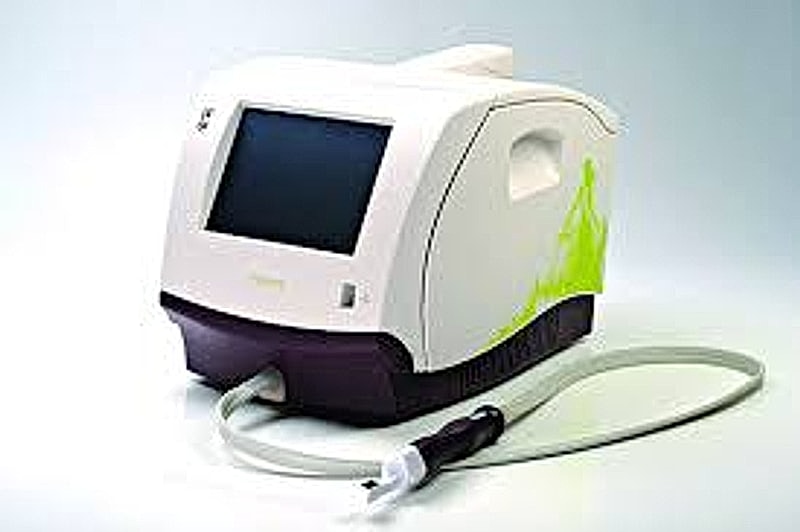 Intimate
Viveve
No reviews yet
View details
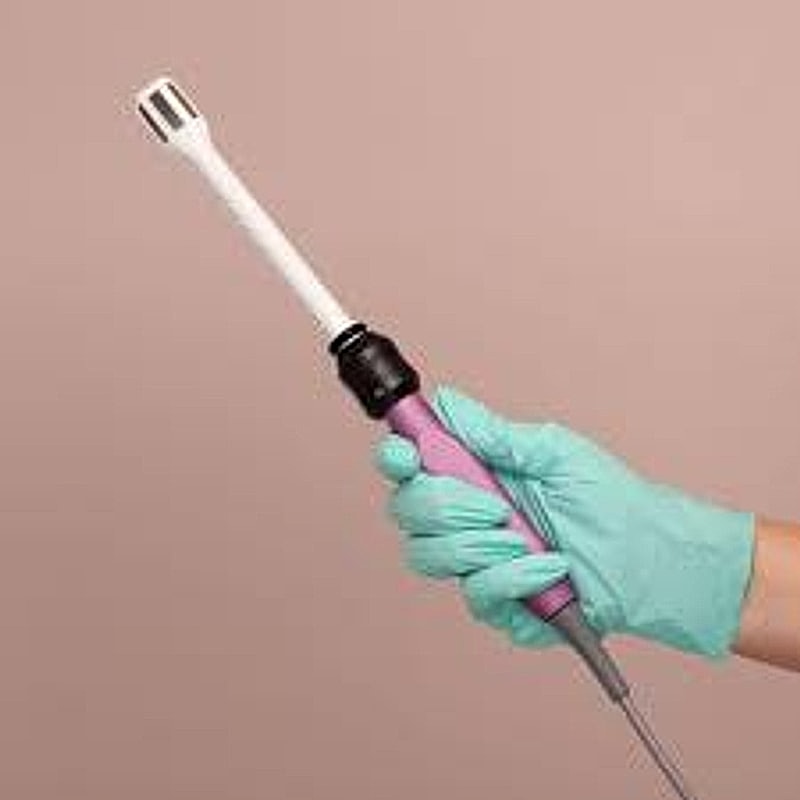 Intimate
Votiva
No reviews yet
View details
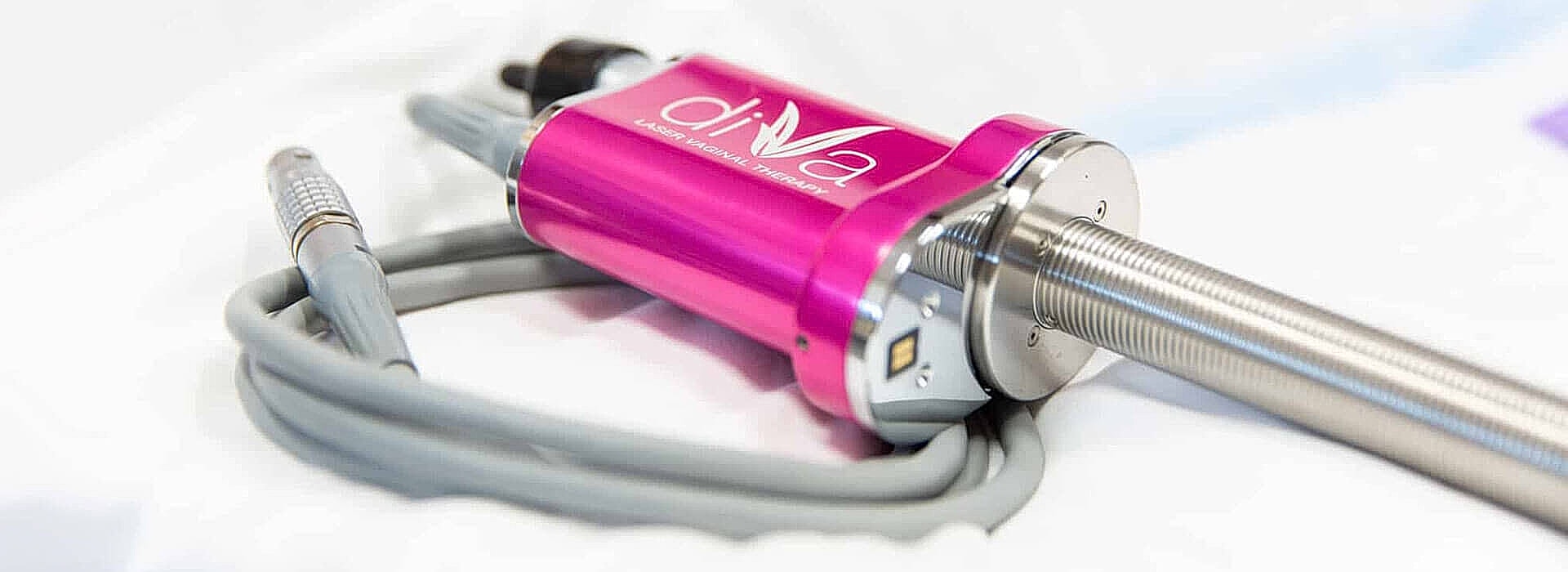 Intimate
diVa Vaginal Laser
No reviews yet
View details
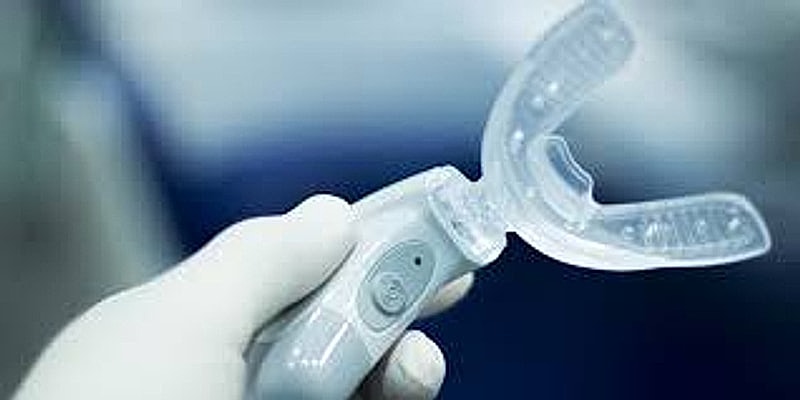 Laser
LaserAcceleDent
No reviews yet
View details
 Laser
LaserAccent Prime
No reviews yet
View details
 Laser
LaserAccuLift
No reviews yet
View details
 Laser
LaserAffirm Laser
No reviews yet
View details
 Laser
LaserAgnes RF
No reviews yet
View details
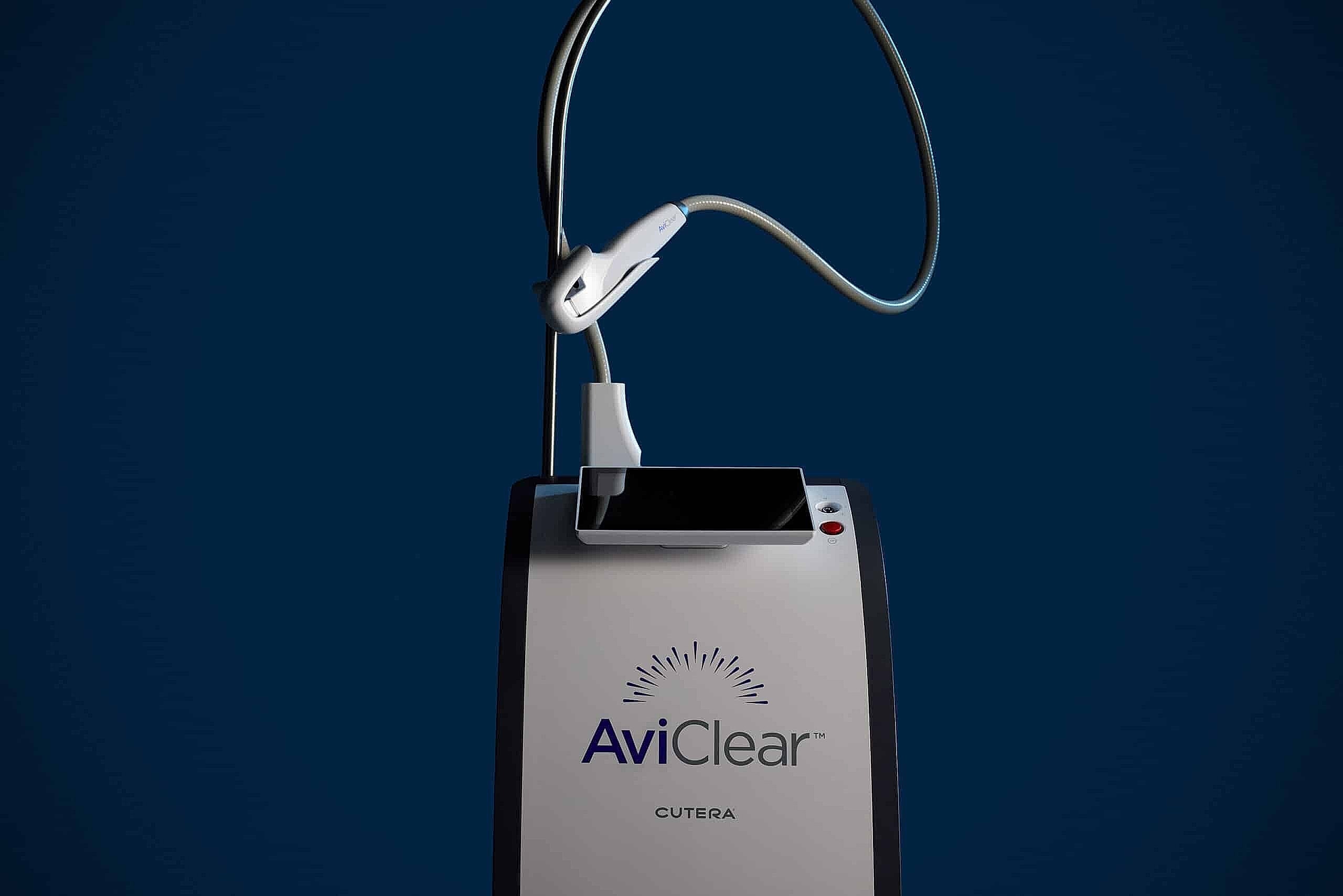 Laser
LaserAviClear
No reviews yet
View details
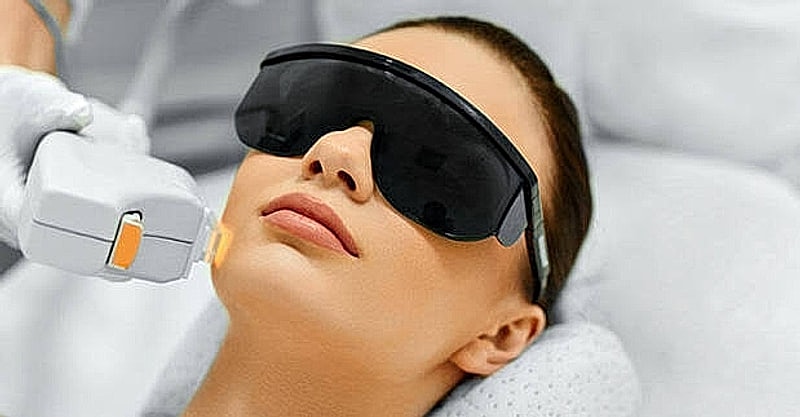 Laser
LaserBroadBand Light (BBL)
No reviews yet
View details
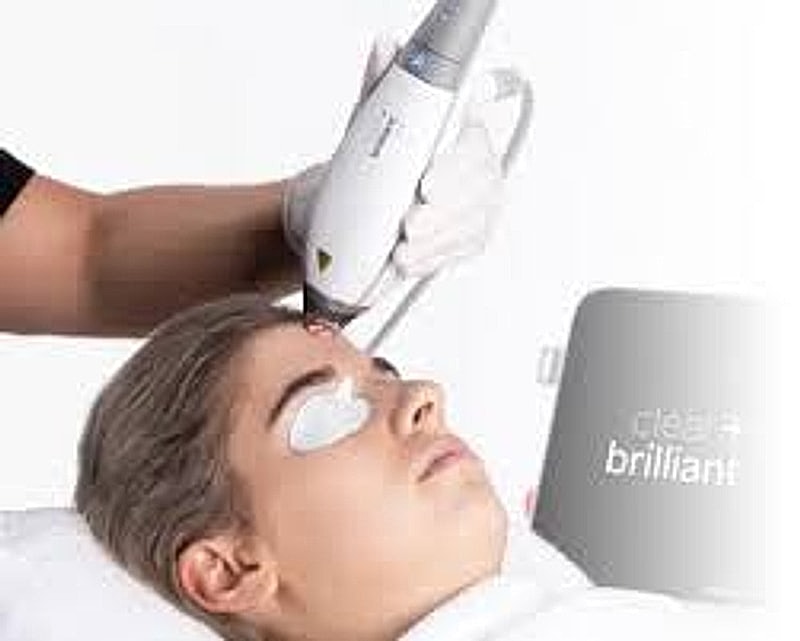 Laser
LaserClear and Brilliant
No reviews yet
View details
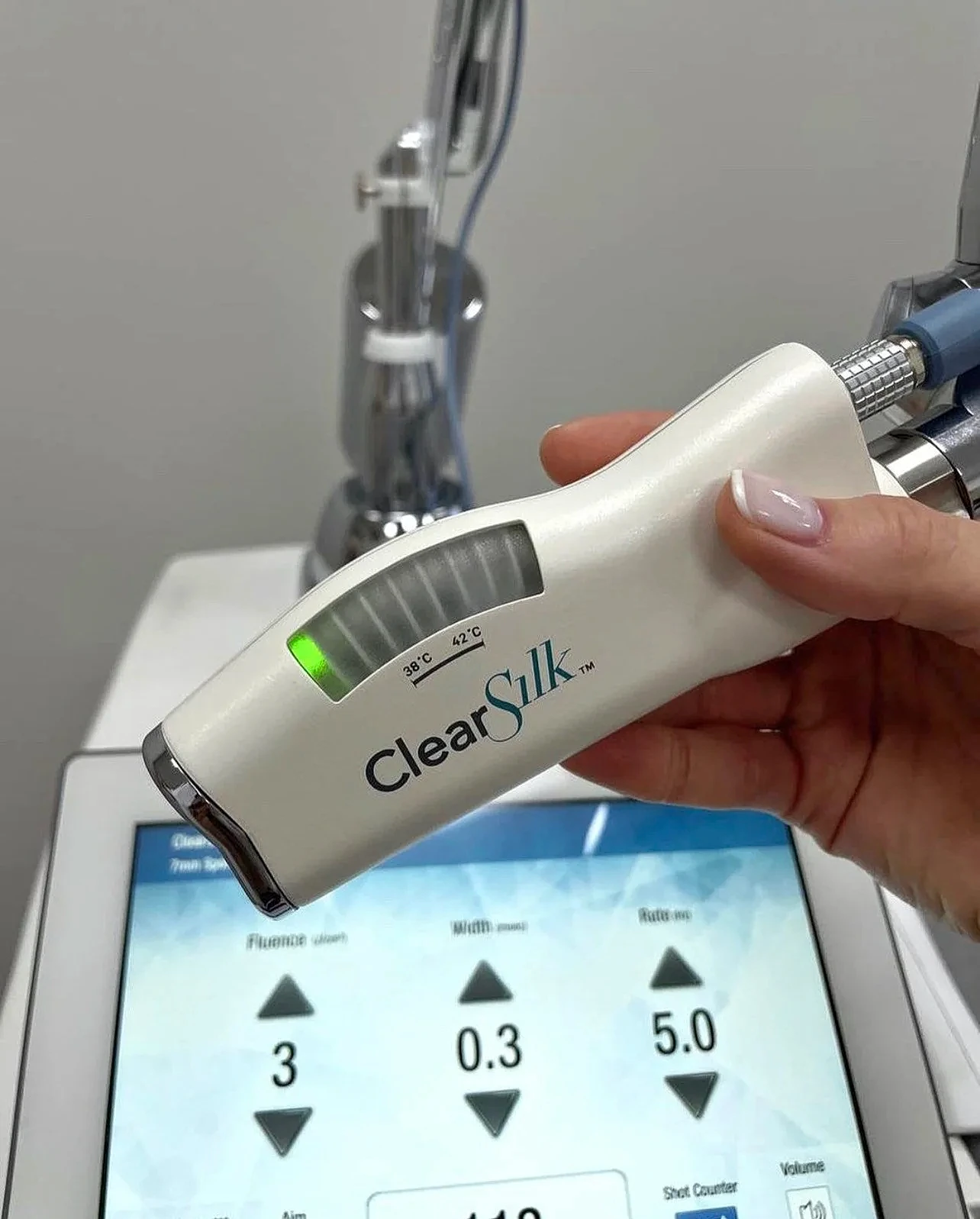 Laser
LaserClearSilk
No reviews yet
View details
 Laser
LaserClearV
No reviews yet
View details
 Laser
LaserCoolPeel
No reviews yet
View details
 Laser
LaserCoolaser
No reviews yet
View details
 Laser
LaserDiode Laser
No reviews yet•PKR 3k–15k
The diode laser (800–810nm) is one of the most effective lasers for hair removal in patients with lighter to medium skin tones. It targets melanin in the hair follicle with high absorption, making it highly effective at permanently reducing hair. Newer diode platforms with adjustable pulse durations can treat a wider range of skin types.
View details
 Laser
LaserEllacor
No reviews yet
View details
 Laser
LaserEmface
No reviews yet
View details
 Laser
LaserEndyMed 3Deep
No reviews yet
View details
 Laser
LaserEnerJet
No reviews yet
View details
 Laser
LaserEnlighten Laser
No reviews yet
View details
 Laser
LaserEvoke
No reviews yet
View details
 Laser
LaserExcel V
No reviews yet
View details
 Laser
LaserFaceTite
No reviews yet
View details
 Laser
LaserForma
No reviews yet
View details
 Laser
LaserFractional Laser
No reviews yet
View details
 Laser
LaserFractora RF
No reviews yet
View details
 Laser
LaserFraxel Laser
No reviews yet
View details
 Laser
LaserFraxel Repair
No reviews yet
View details
 Laser
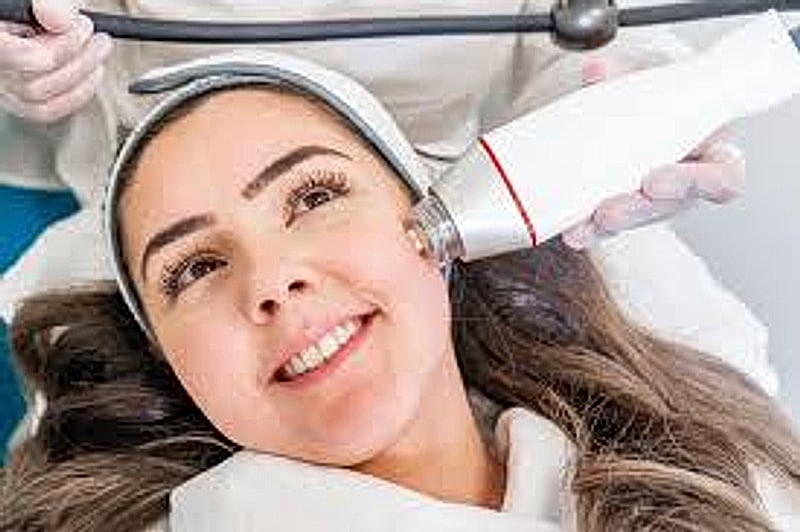
LaserGenius
No reviews yet
View details
 Laser
LaserGentleLase
No reviews yet
View details
 Laser
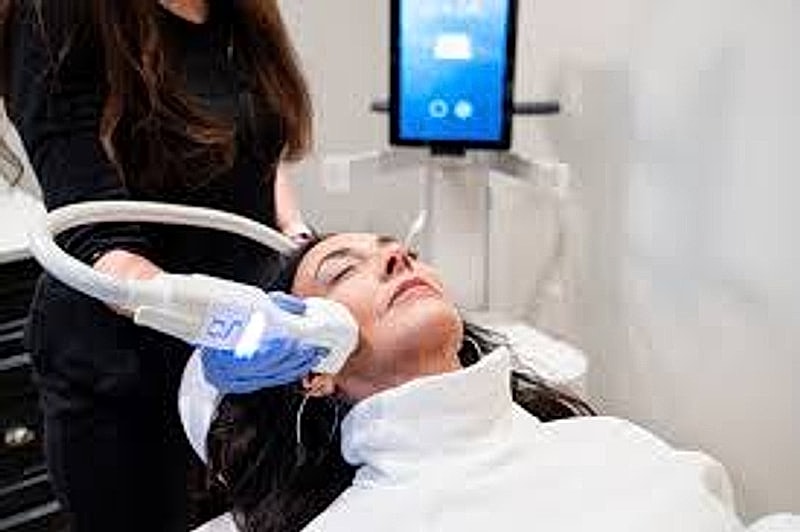
LaserGlacial Rx
No reviews yet
View details
 Laser
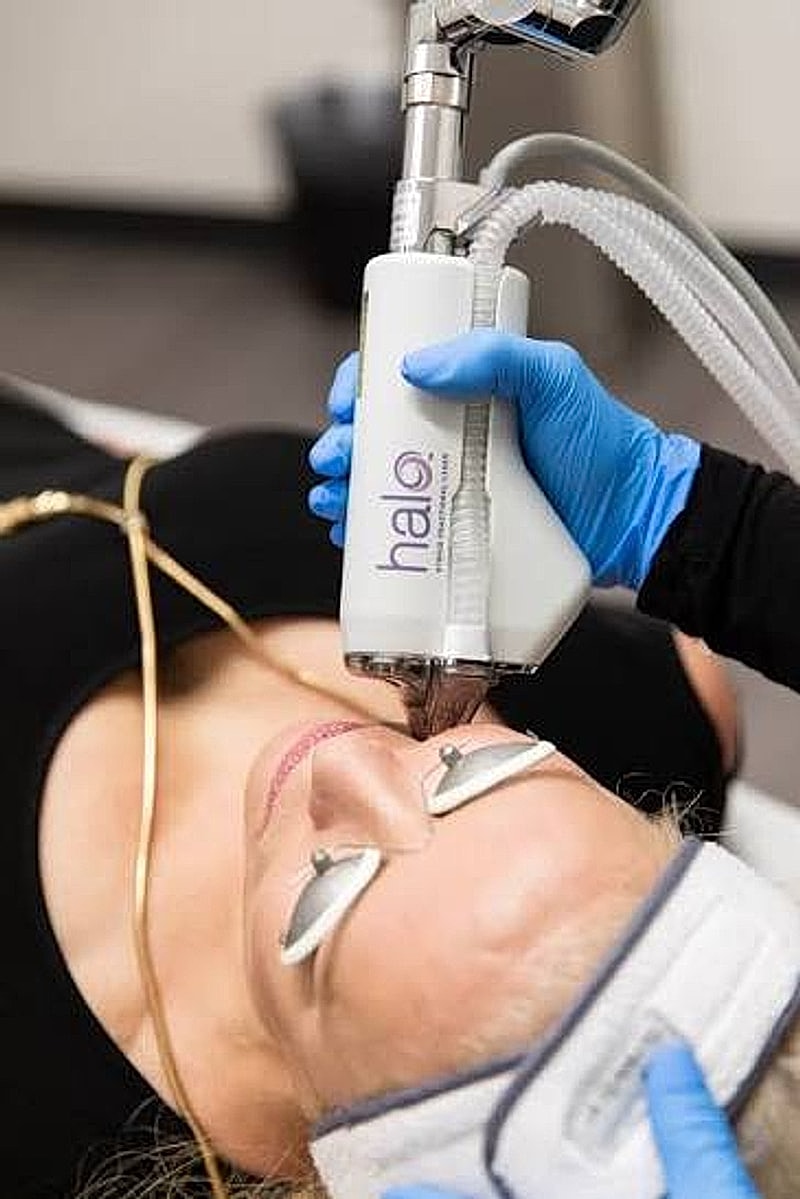
LaserHalo Laser
No reviews yet
View details
 Laser
LaserIPL
No reviews yet
View details
 Laser
LaserInBrace
No reviews yet
View details
 Laser
LaserInfini RF
No reviews yet
View details
 Laser
LaserIsolaz
No reviews yet
View details
 Laser
LaserLaseMD
No reviews yet
View details
 Laser
LaserLaser Genesis
No reviews yet
View details
 Laser
LaserLaser Hair Removal
No reviews yet•PKR 3k–15k
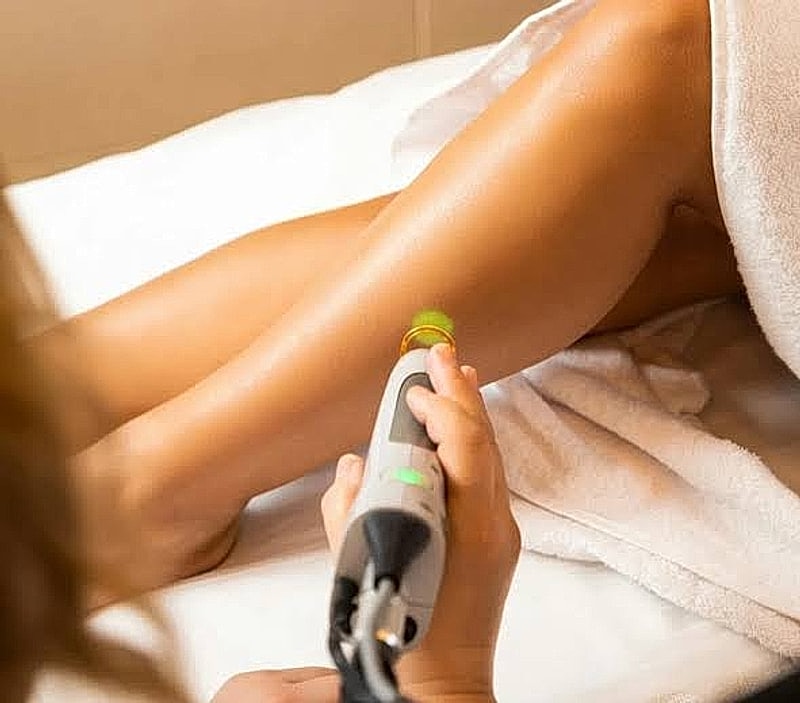
Laser hair removal uses targeted laser energy to selectively destroy hair follicles, providing long-lasting reduction in hair regrowth. Multiple sessions are required because the laser only effectively treats hairs in the anagen (active growth) phase, which is only a portion of follicles at any one time.
View details
 Laser
LaserLaser Peel
No reviews yet
View details
 Laser
LaserLaser Scar Removal
No reviews yet
View details
 Laser
LaserLaser Toenail Fungus Removal
No reviews yet
View details
 Laser
LaserLaser Toning / Q-Switch
No reviews yet•PKR 5k–20k
Laser toning uses a low-fluence Q-switched Nd:YAG laser in repeated passes to gently target melanin and improve overall skin tone, radiance, pigmentation, and pore appearance without ablating the skin. It is particularly popular for treating melasma, facial pigmentation, and dull complexion with no downtime.
View details
 Laser
LaserLightsheer Laser
No reviews yet
View details
 Laser
LaserLumecca
No reviews yet
View details
 Laser
LaserLux 1540
No reviews yet
View details
 Laser
LaserMatrix Pro
No reviews yet
View details
 Laser
LaserMiXto Laser
No reviews yet
View details
 Laser
LaserMicroneedling RF
No reviews yet
View details
 Laser
LaserMorpheus8
No reviews yet
View details
 Laser
LaserMotus AX
No reviews yet
View details
 Laser
LaserMoxi
No reviews yet
View details
 Laser
LaserNd:YAG Laser Treatment
No reviews yet•PKR 5k–20k
The Nd:YAG laser (1064nm) is a versatile dermatological laser with applications in tattoo removal, vascular lesion treatment, hair removal in dark skin, skin toning, nail fungus, and laser rejuvenation. Its long wavelength penetrates deeply and is the safest laser option for patients with darker skin types.
View details
 Laser
LaserNeo Laser
No reviews yet
View details
 Laser
LaserNeoGen Plasma
No reviews yet
View details
 Laser
LaserNeveskin
No reviews yet
View details
 Laser
LaserOpus Plasma
No reviews yet
View details
 Laser
LaserPearl Laser
No reviews yet
View details
 Laser
LaserPelleve
No reviews yet
View details
 Laser
LaserPico Genesis
No reviews yet
View details
 Laser
LaserPicoPlus
No reviews yet
View details
 Laser
LaserPicoSure
No reviews yet
View details
 Laser
LaserPicoWay
No reviews yet
View details
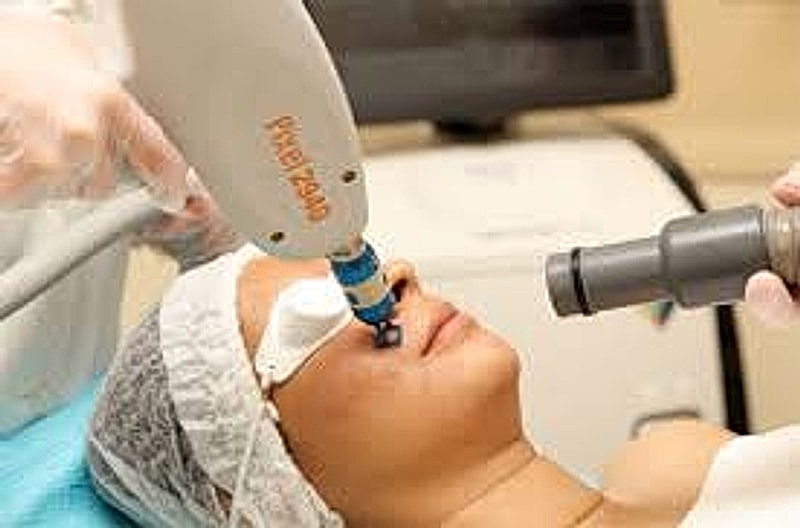 Laser
LaserPixel Laser
No reviews yet
View details
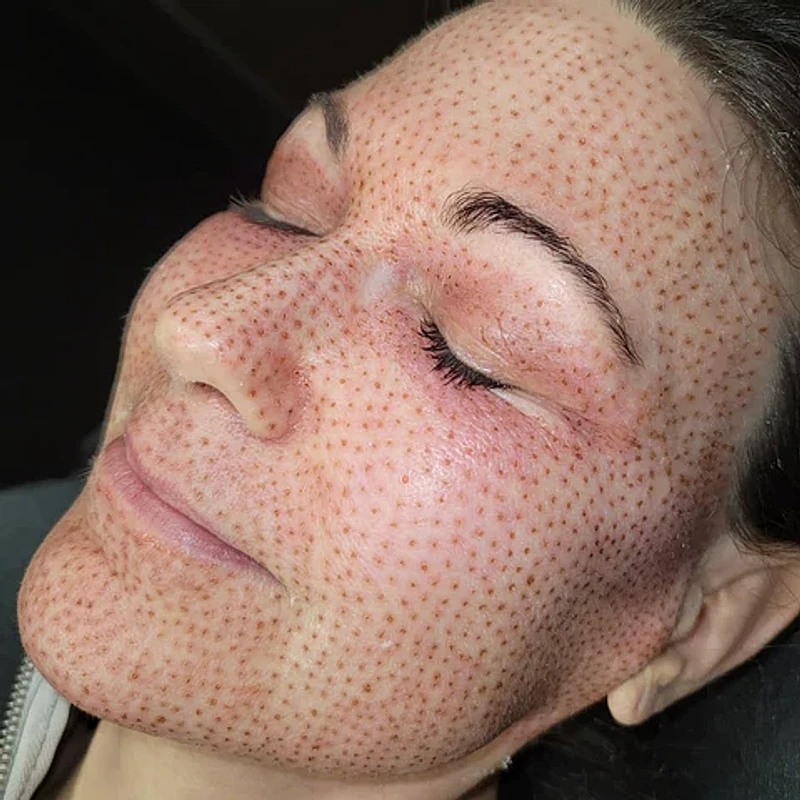 Laser
LaserPlasma Fibroblasting
No reviews yet
View details
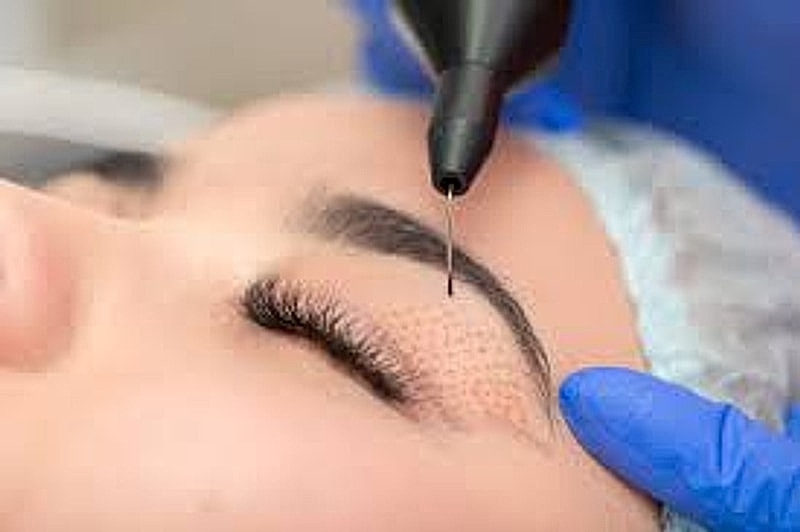 Laser
LaserPlasma IQ
No reviews yet
View details
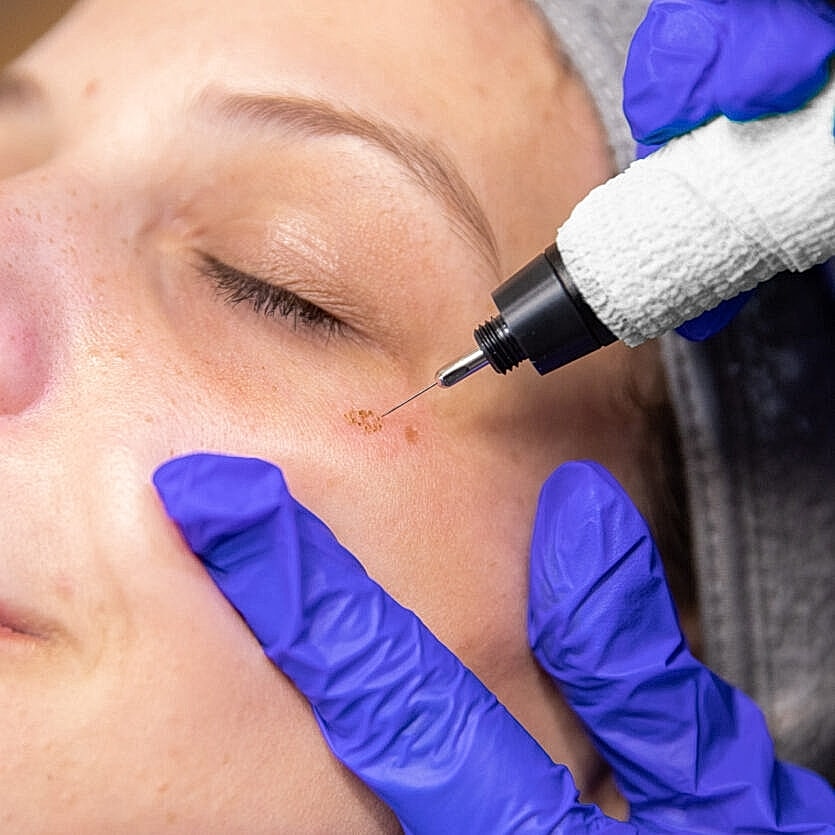 Laser
LaserPlasmaPen
No reviews yet
View details
LaserPortrait
No reviews yet
View details
 Laser
LaserPotenza
No reviews yet
View details
 Laser
LaserPrecisionTx
No reviews yet
View details
 Laser
LaserPrimelase
No reviews yet
View details
 Laser
LaserProFractional Laser
No reviews yet
View details
 Laser
LaserProfound RF
No reviews yet
View details
 Laser
LaserPulsed Dye Laser
No reviews yet
View details
 Laser
LaserRejuvapen
No reviews yet
View details
 Laser
LaserResurFX
No reviews yet
View details
 Laser
LaserSecret RF
No reviews yet
View details
 Laser
LaserSmartSkin
No reviews yet
View details
 Laser
LaserSmartXide
No reviews yet
View details
 Laser
LaserSmoothGlo
No reviews yet
View details
 Laser
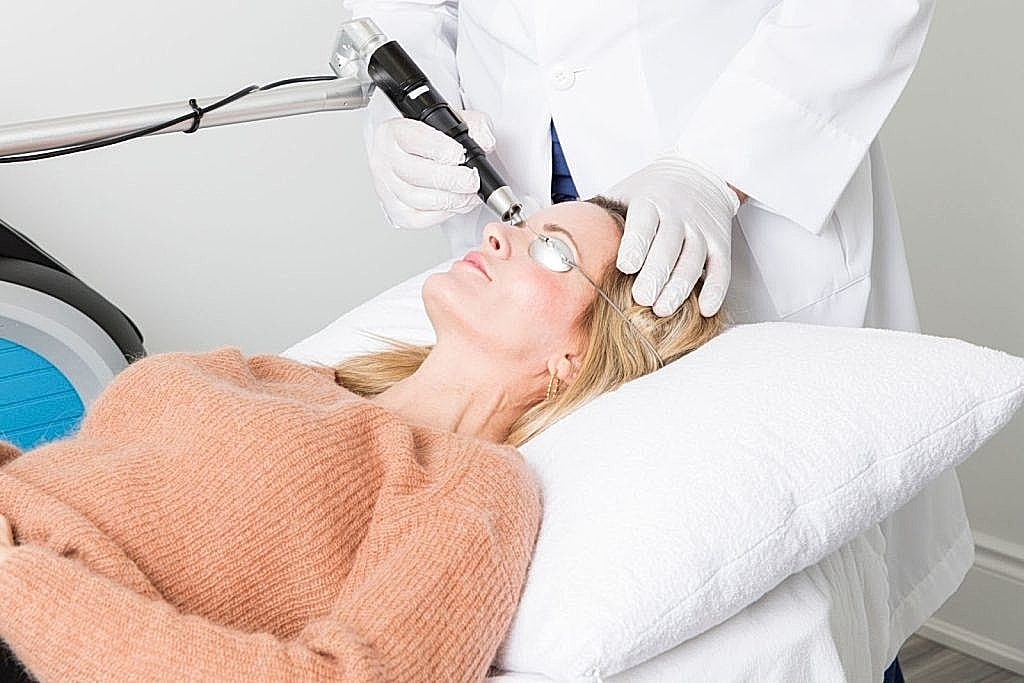
LaserSmoothbeam Laser
No reviews yet
View details
 Laser
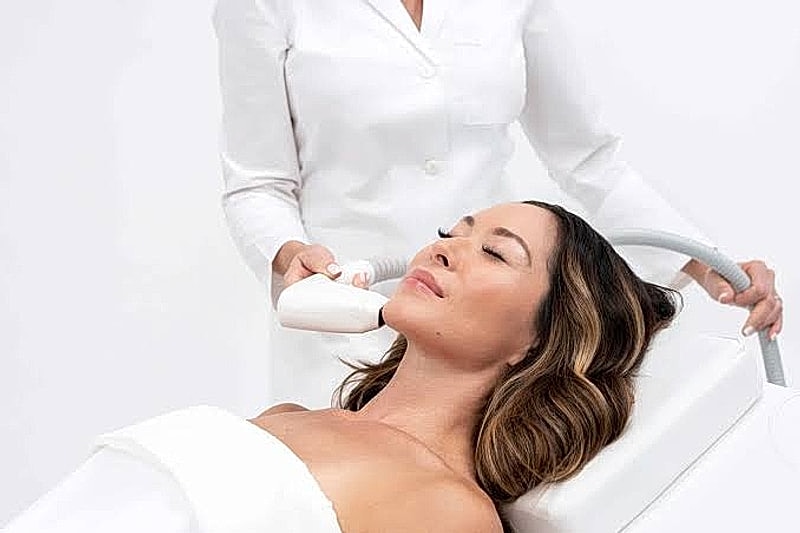
LaserSofwave
No reviews yet
View details
 Laser
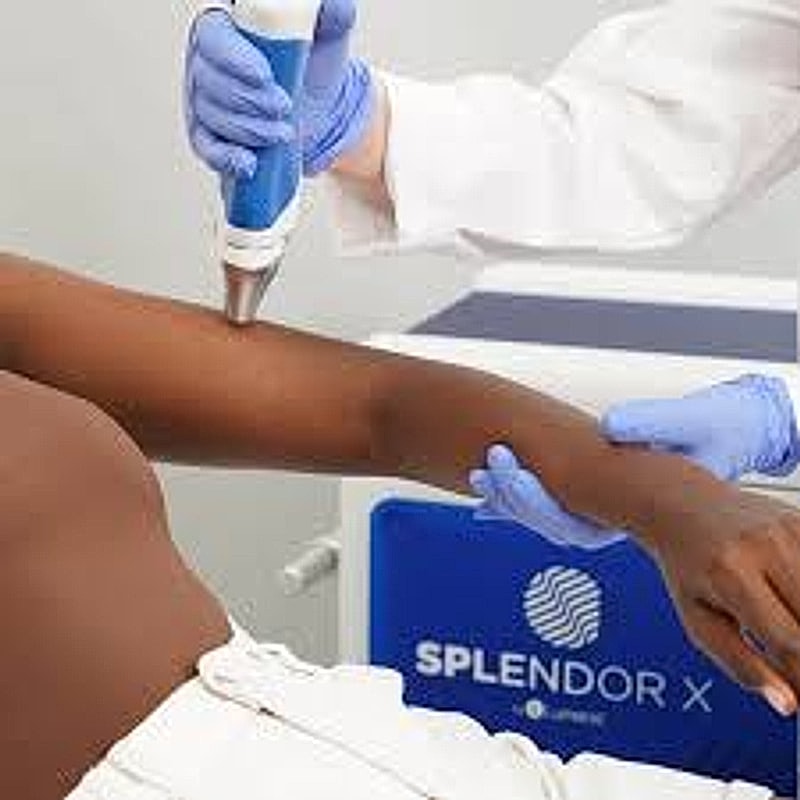
LaserSplendor X
No reviews yet
View details
 Laser
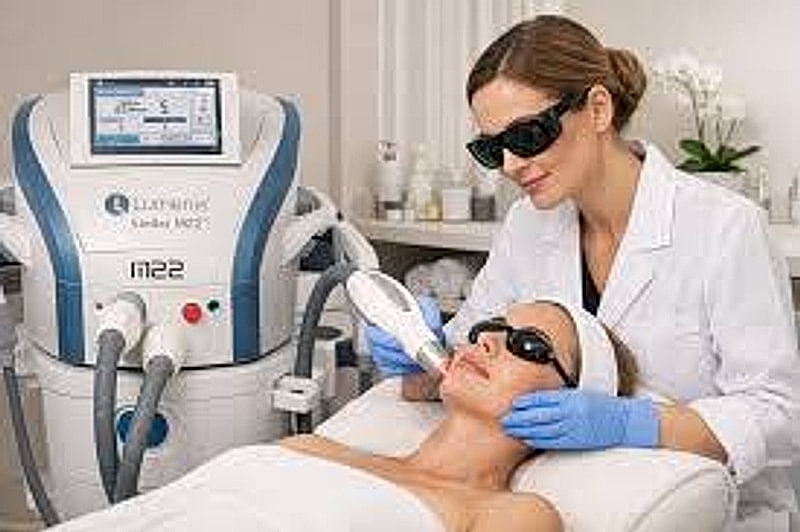
LaserStellar M22
No reviews yet
View details
 Laser
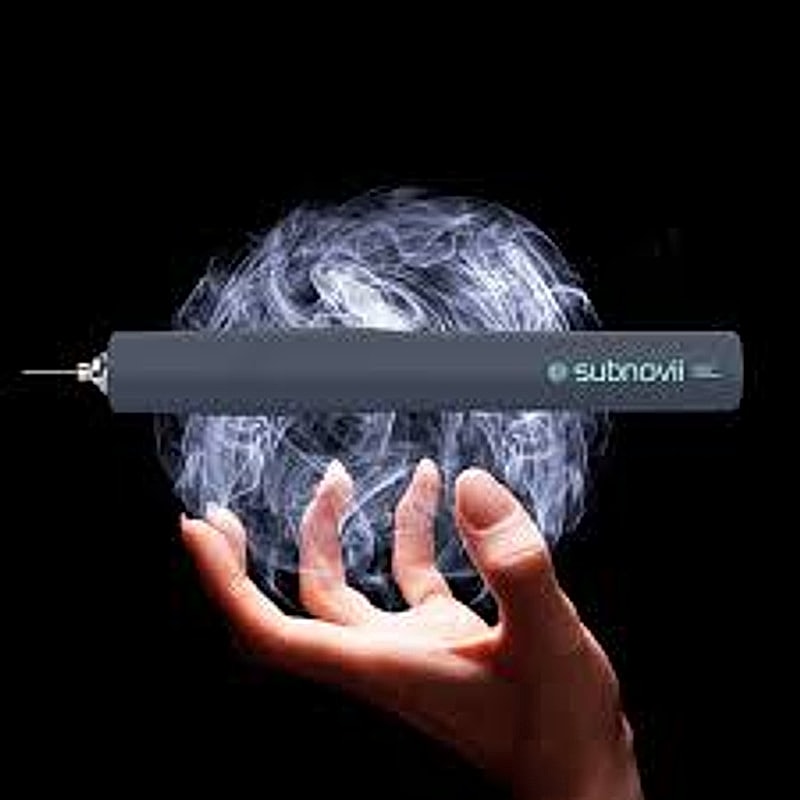
LaserSubnovii Plasma Pen
No reviews yet
View details
 Laser
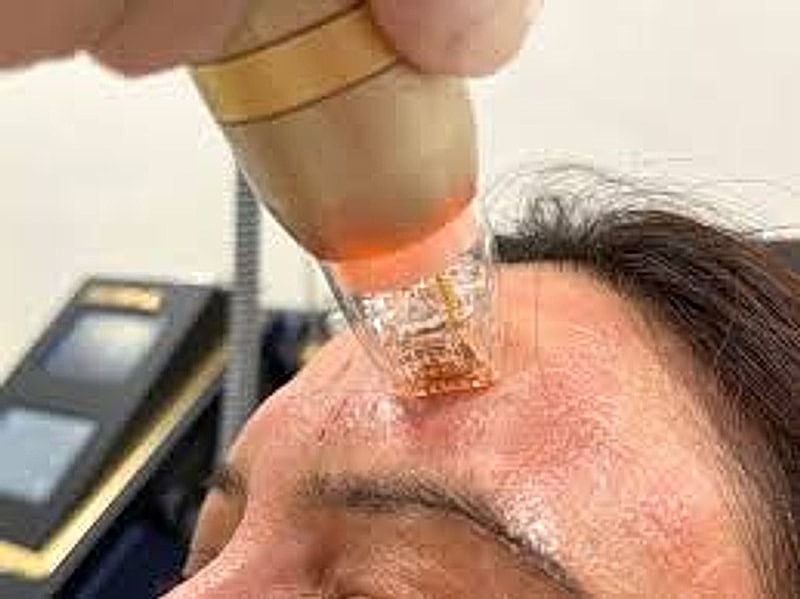
LaserSylfirm X
No reviews yet
View details
 Laser
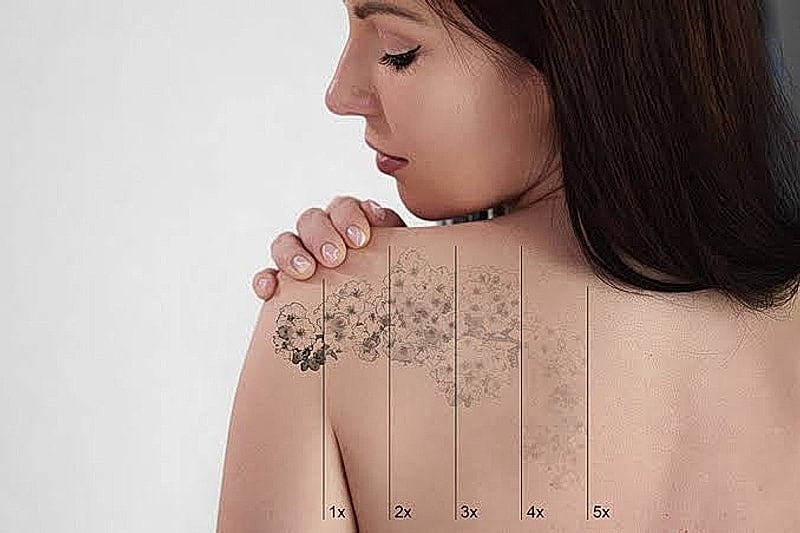
LaserTattoo Removal
No reviews yet•PKR 8k–40k
Laser tattoo removal uses Q-switched or picosecond lasers to break down tattoo ink particles into fragments small enough for the immune system to clear. Multiple sessions are required, and complete removal is achievable for most tattoos with the appropriate laser and enough sessions.
View details
 Laser
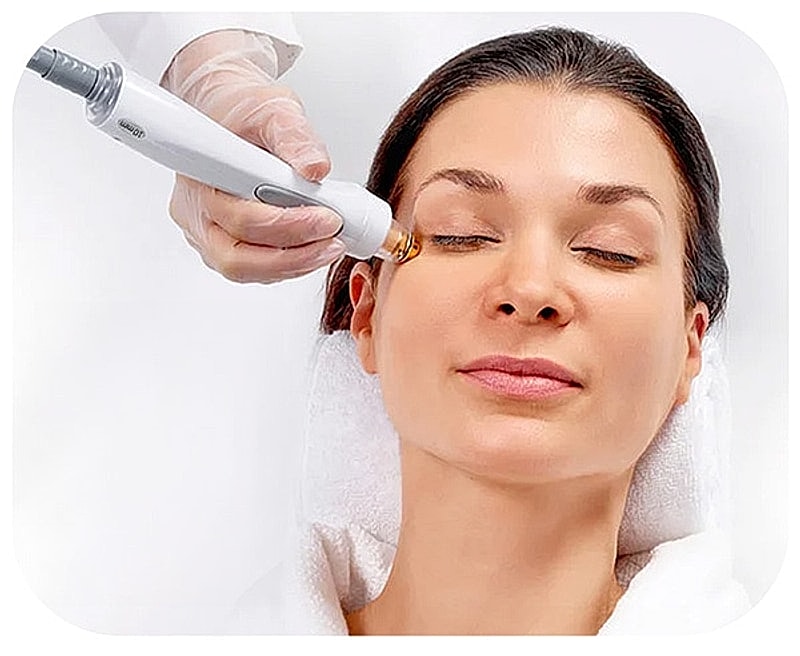
LaserTempSure Envi
No reviews yet
View details
 Laser
LaserThermage
No reviews yet
View details
 Laser
LaserThermage FLX
No reviews yet
View details
 Laser
LaserThermiSmooth Face
No reviews yet
View details
 Laser
LaserThermiTight
No reviews yet
View details
 Laser
LaserThreeForMe
No reviews yet
View details
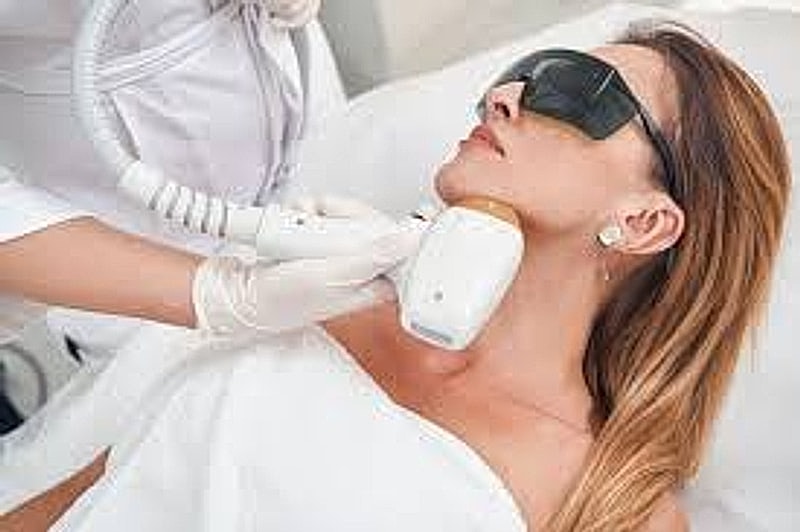 Laser
LaserTitan Laser
No reviews yet
View details
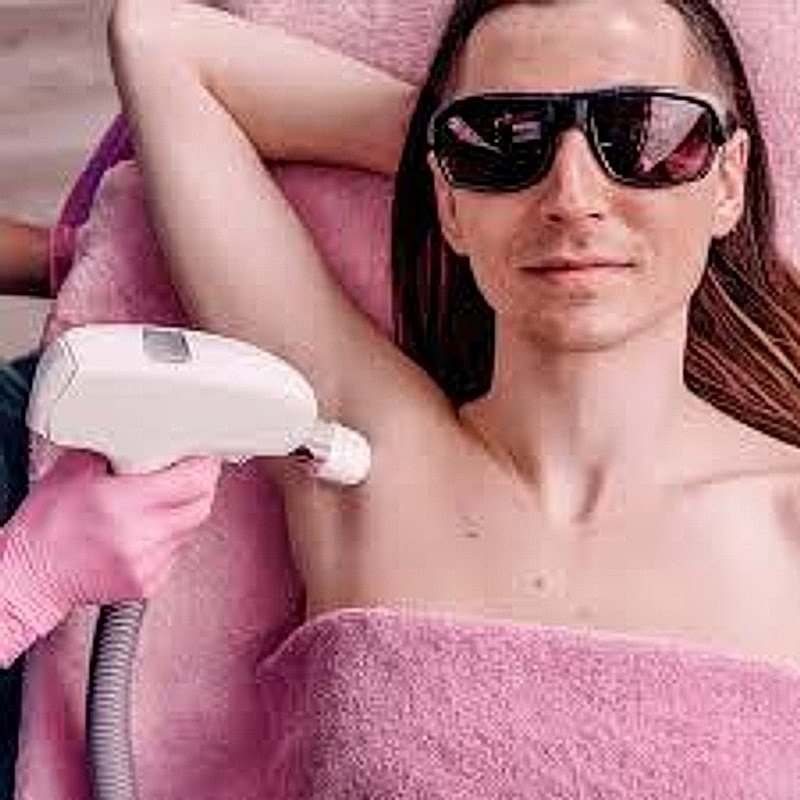 Laser
LaserTransgender Laser Hair Removal
No reviews yet
View details
 Laser
LaserULTRAcel
No reviews yet
View details
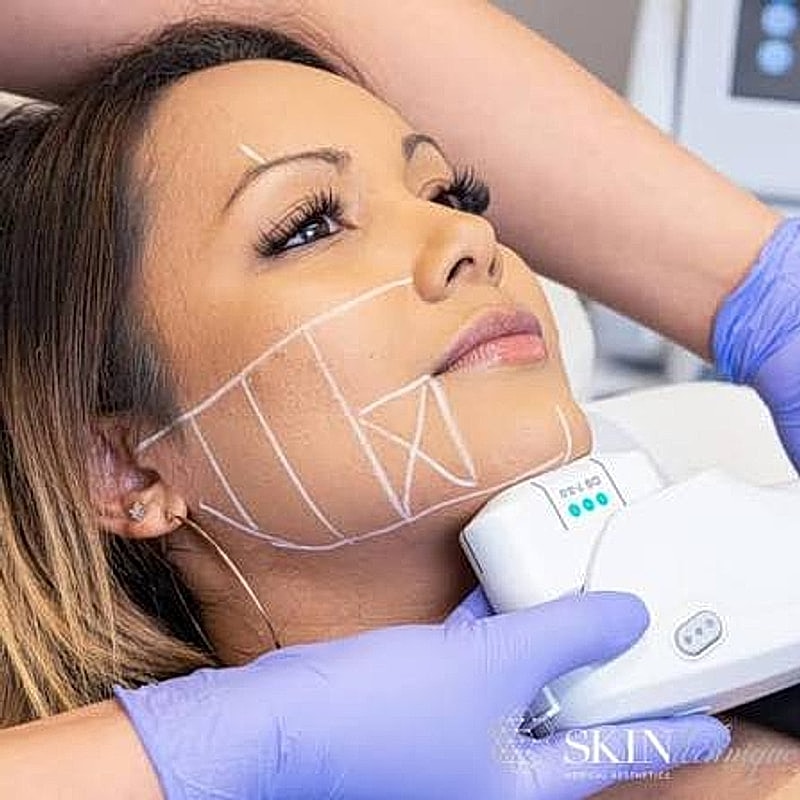 Laser
LaserUltherapy
No reviews yet
View details
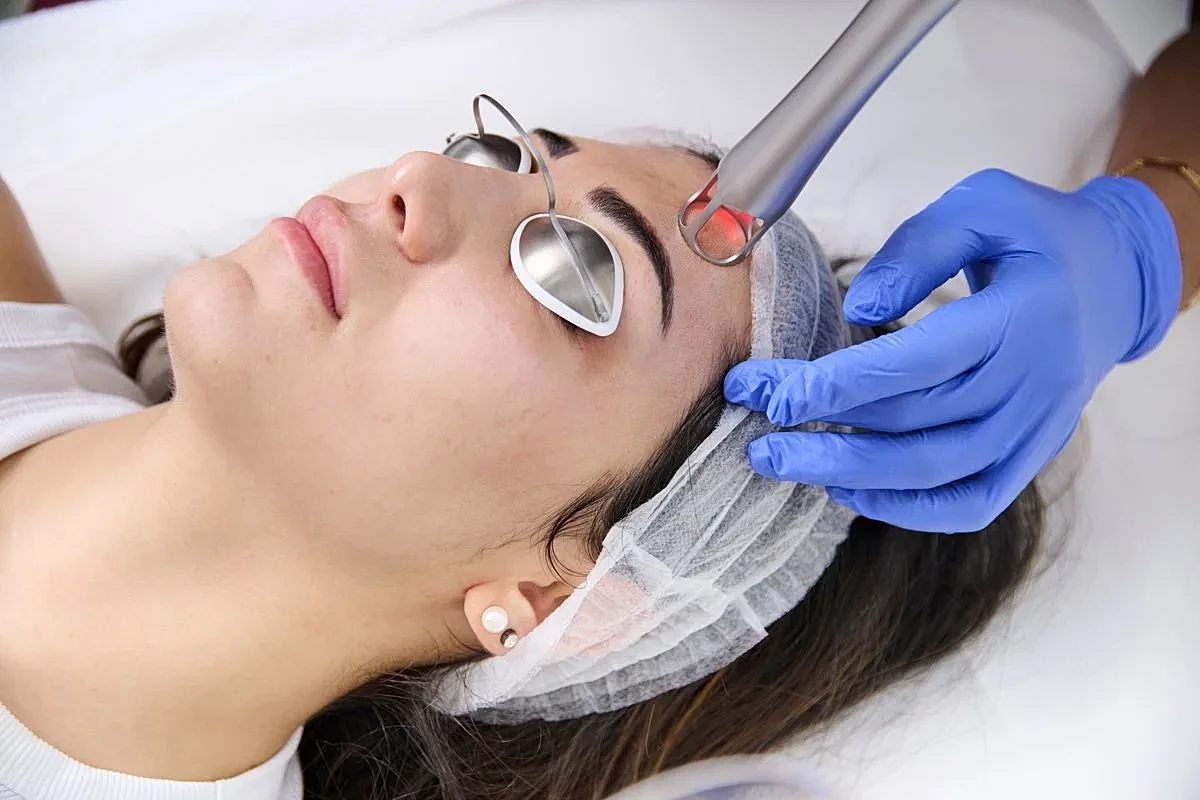 Laser
LaserUltraClear Laser
No reviews yet
View details
 Laser
LaserV-Form
No reviews yet
View details
 Laser
LaserVbeam
No reviews yet
View details
 Laser
LaserVenus Freeze
No reviews yet
View details
 Laser
LaserVenus Viva
No reviews yet
View details
 Laser
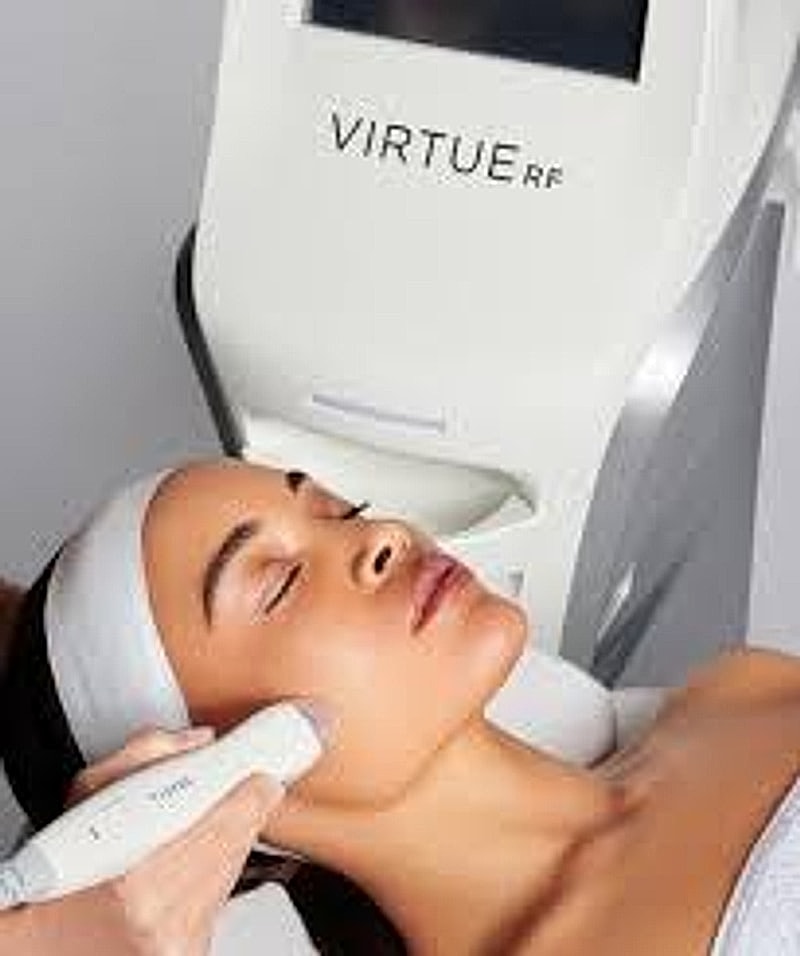
LaserVirtue RF
No reviews yet
View details
 Laser
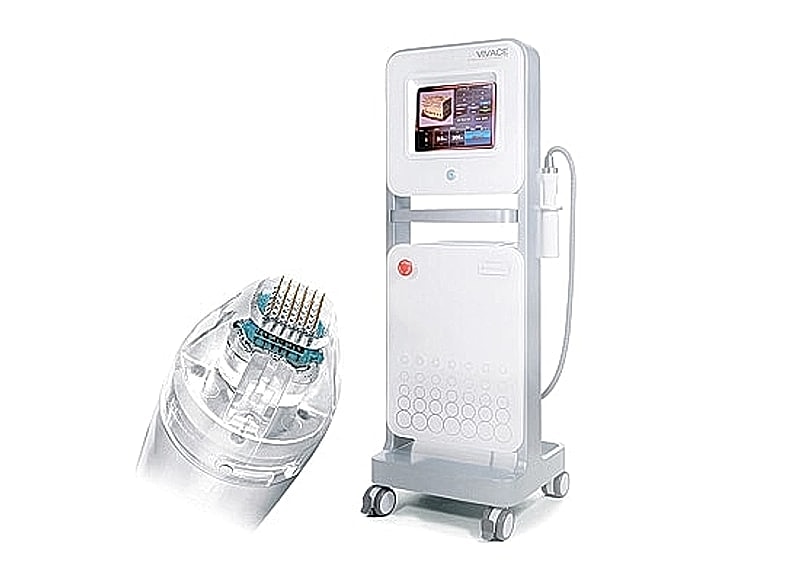
LaserVivace
No reviews yet
View details
 Laser
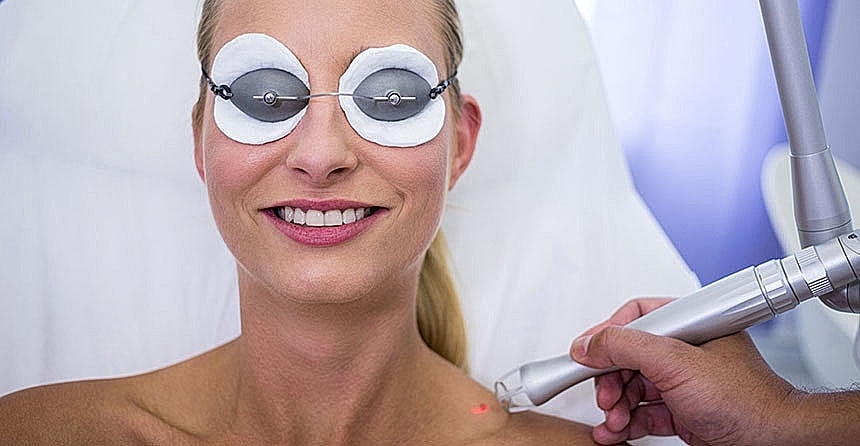
LaserYAG Laser
No reviews yet
View details
 Laser
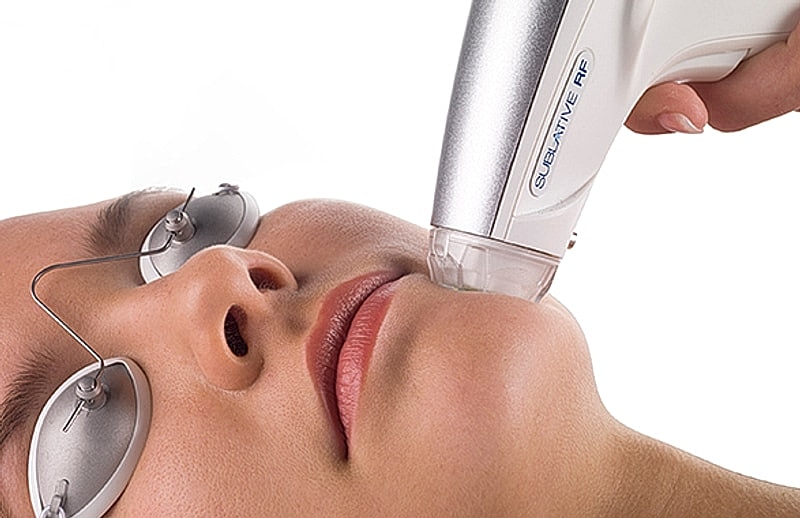
LasereMatrix
No reviews yet
View details
 Other
OtherAllurion Balloon
No reviews yet
View details
 Other
OtherAsclera
No reviews yet
View details
 SurgicalOther
Bunion Surgery
No reviews yet
View details
 SurgicalOther
Duodenal Switch
No reviews yet
View details
 Other
OtherEVLT
No reviews yet
View details
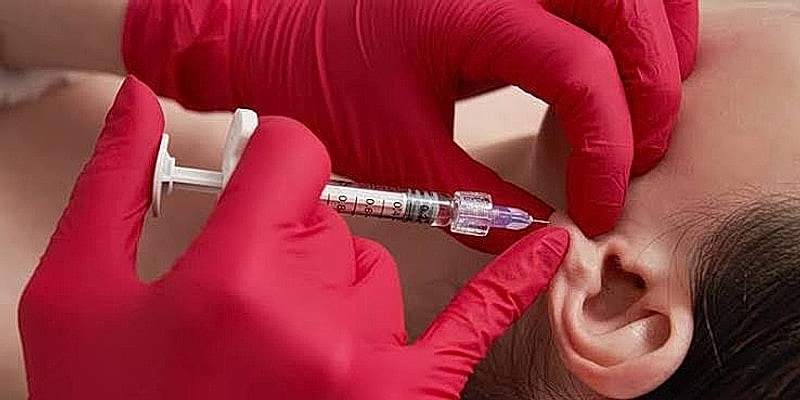 Other
OtherEarlobe Repair
No reviews yet
Earlobe repair corrects torn, stretched, or split earlobes caused by heavy earrings, trauma, or deliberate gauge stretching. It is a minor surgical procedure that restores the earlobe's natural shape and allows re-piercing after healing.
View details
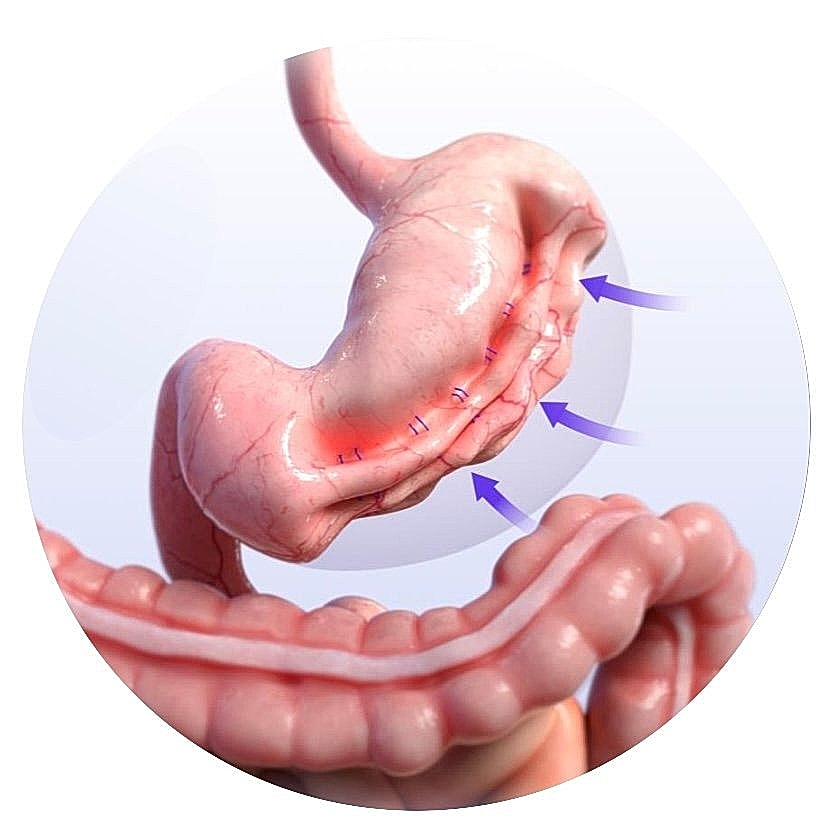 SurgicalOther
Endoscopic Sleeve Gastroplasty
No reviews yet
View details
 Other
OtherExo-Xom
No reviews yet
View details
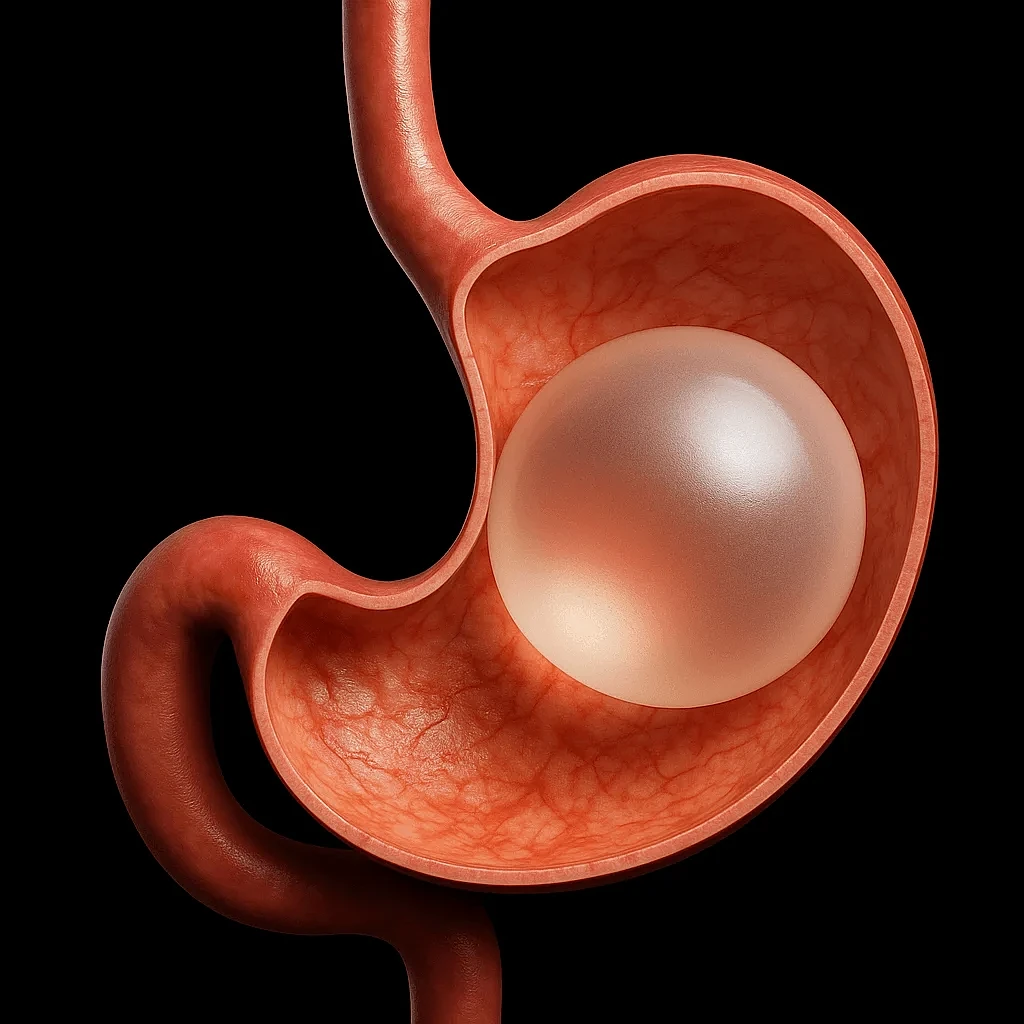 Other
OtherGastric Balloon
No reviews yet
View details
 SurgicalOther
Gastric Bypass
No reviews yet
View details
 SurgicalOther
Gastric Sleeve Surgery
No reviews yet
View details
 SurgicalOther
Hand Reconstructive Surgery
No reviews yet
View details
 SurgicalOther
Lap Band
No reviews yet
View details
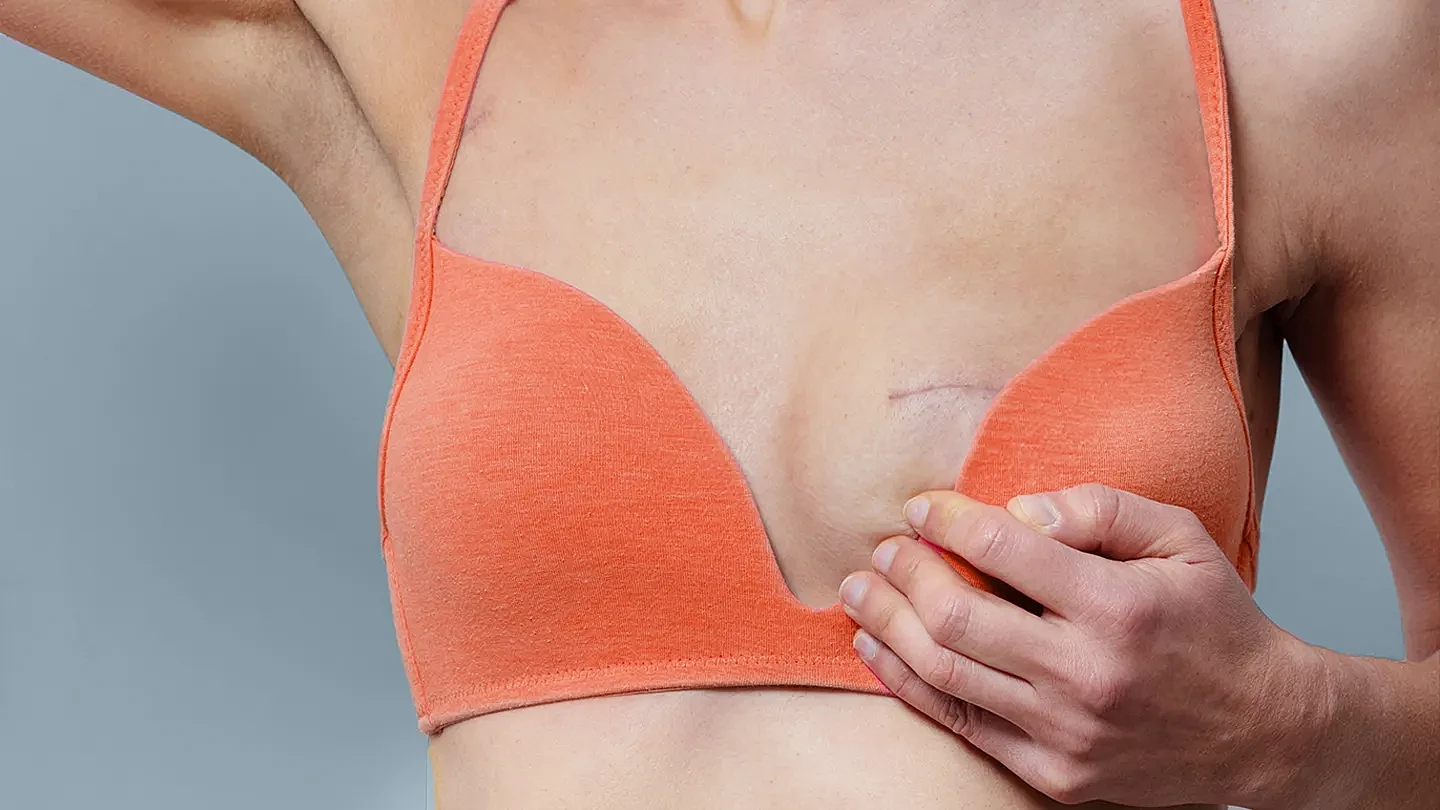 SurgicalOther
Lumpectomy
No reviews yet
View details
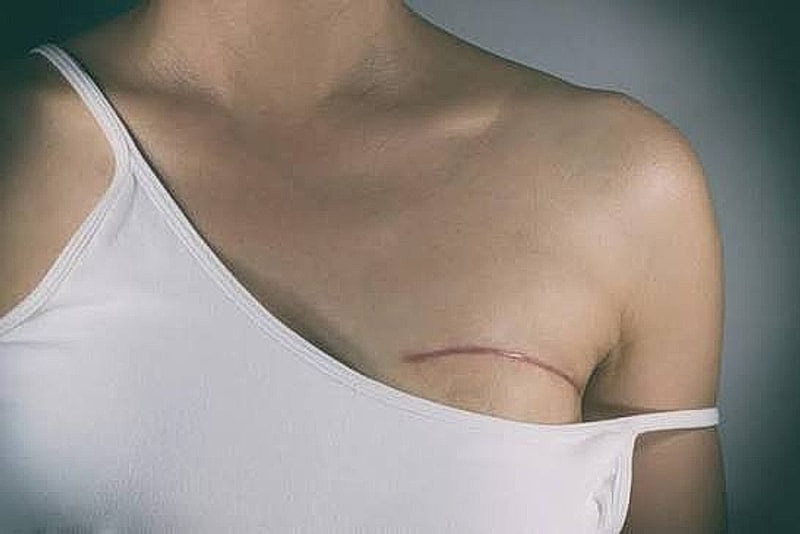 SurgicalOther
Mastectomy
No reviews yet
View details
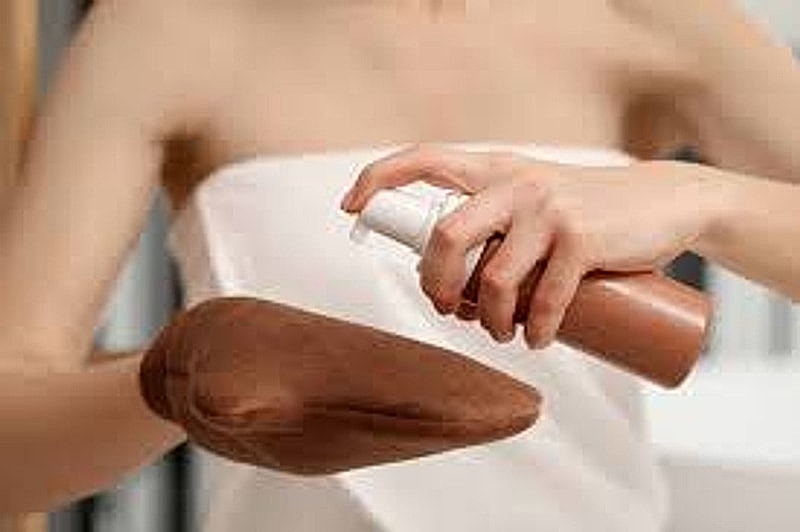 Other
OtherMelanotan
No reviews yet
View details
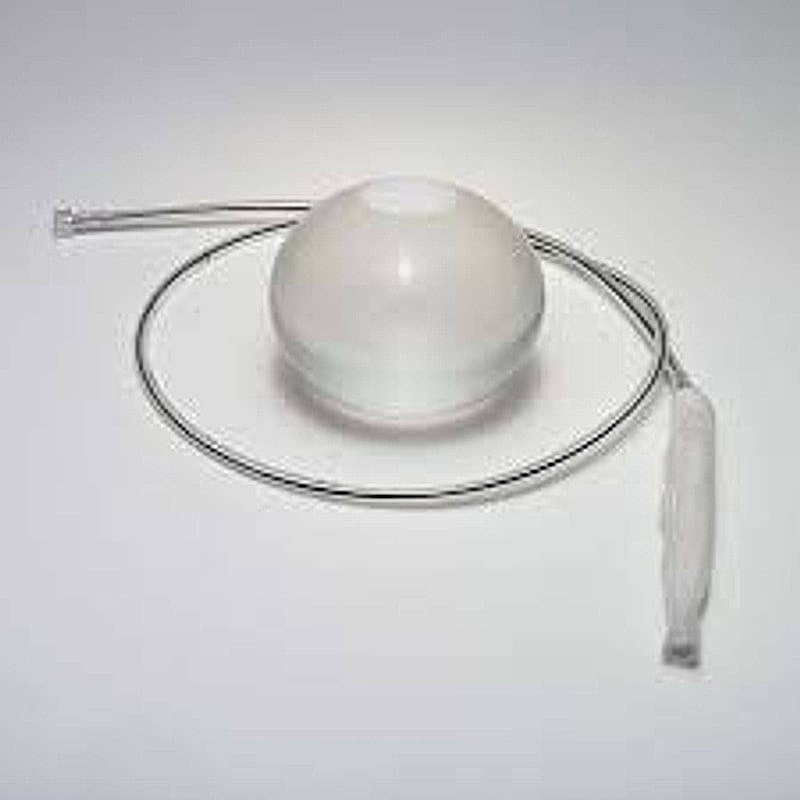 Other
OtherObalon Intragastric Balloon
No reviews yet
View details
 Other
OtherOrbera Gastric Balloon
No reviews yet
View details
 Other
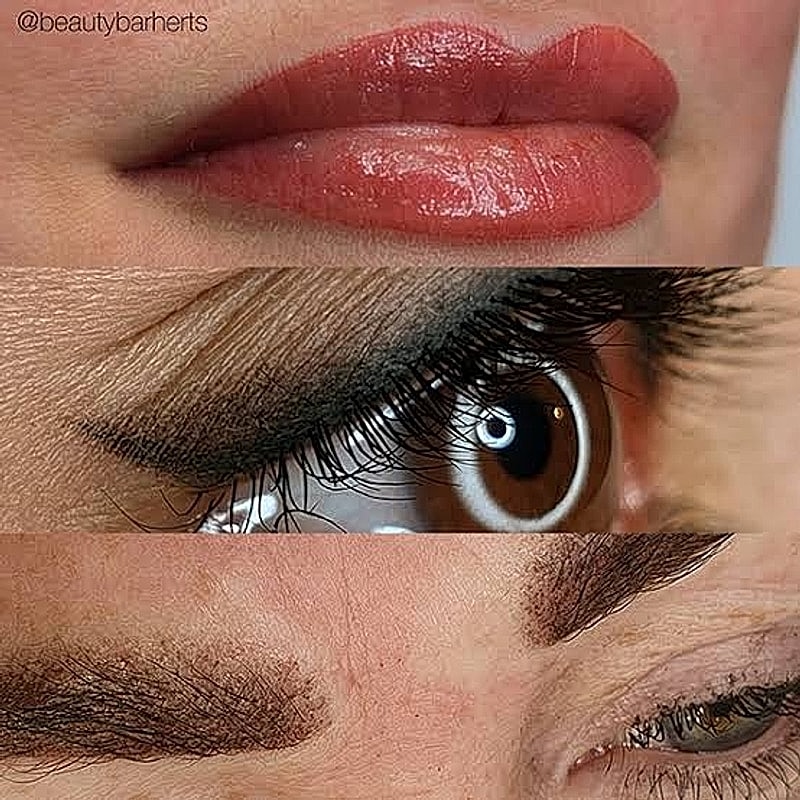
OtherPermanent Makeup / Micropigmentation
No reviews yet
Permanent makeup (cosmetic tattooing) uses micropigmentation to implant pigment into the superficial dermis of areas such as eyebrows (microblading or powder fill), eyeliner, and lip liner. It provides a long-lasting cosmetic effect that eliminates daily application for defined periods.
View details
 SurgicalOther
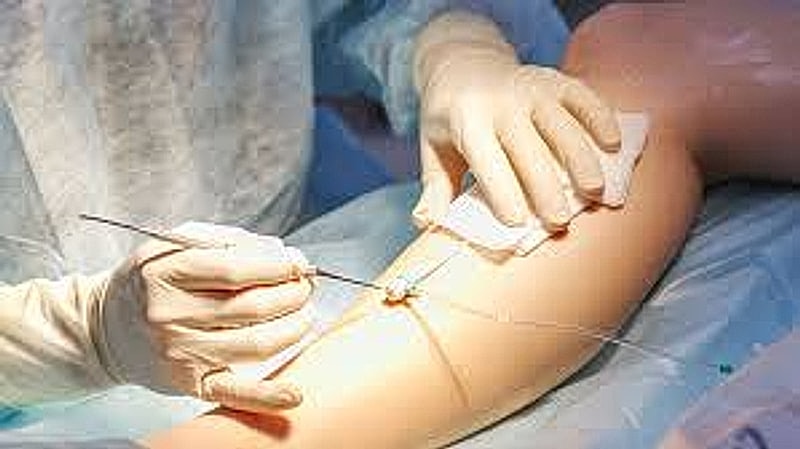
Phlebectomy
No reviews yet
View details
 Other
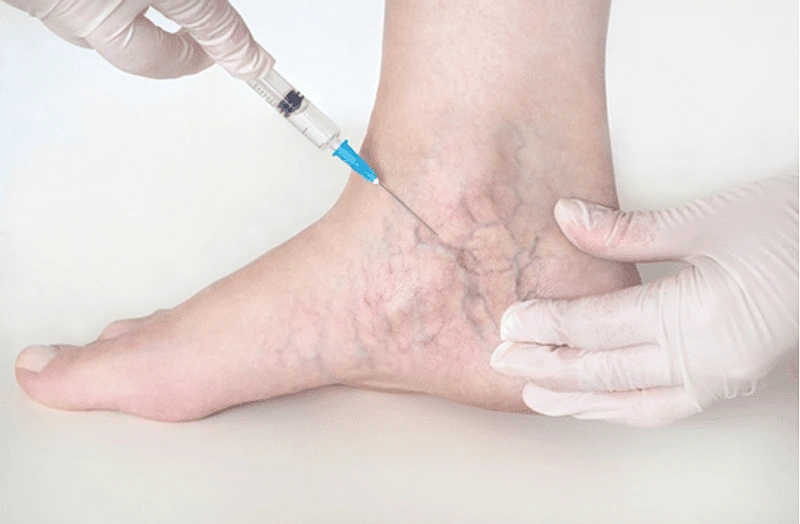
OtherSclerotherapy
No reviews yet
View details
 Other
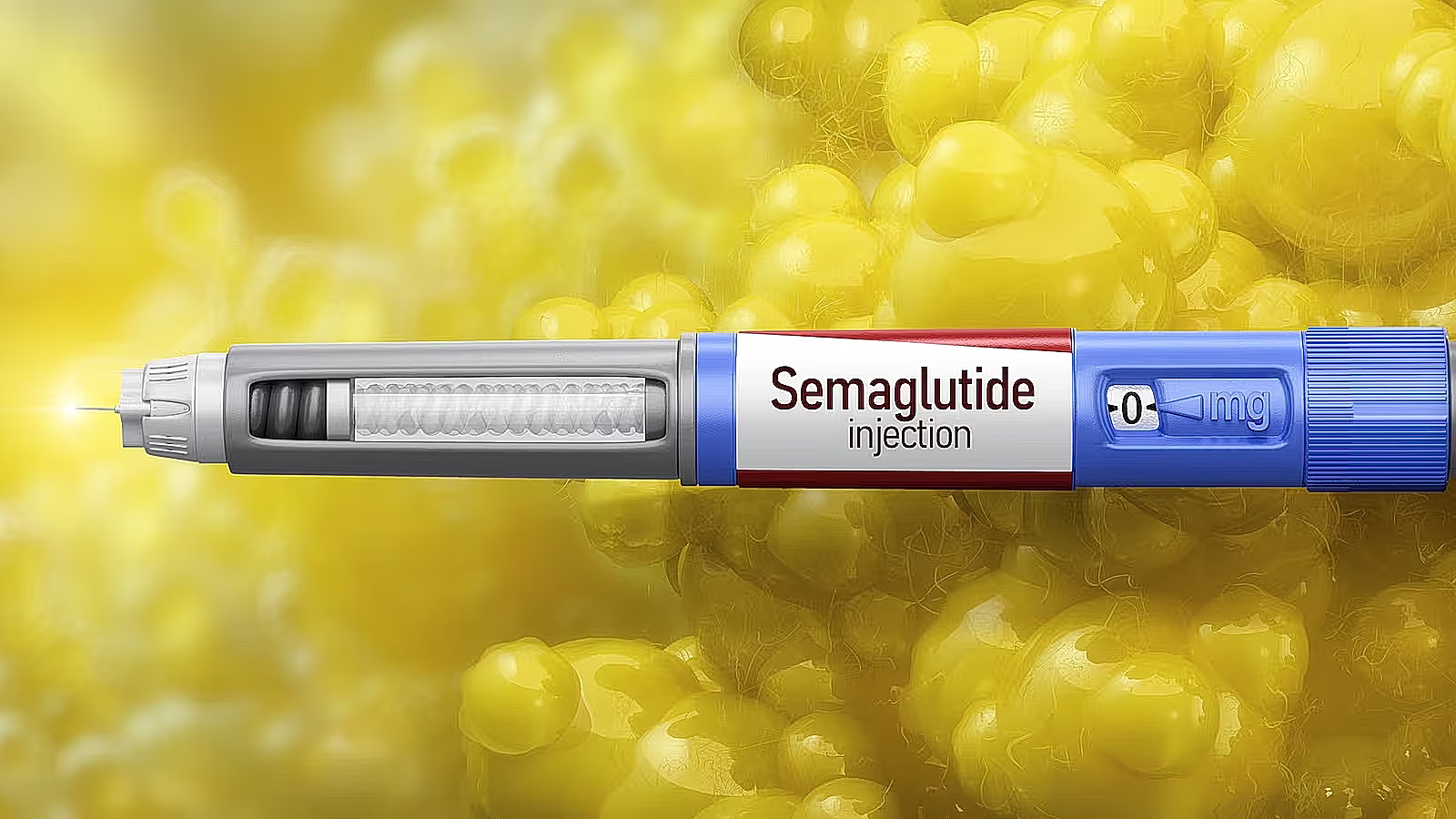
OtherSemaglutide
No reviews yet
View details
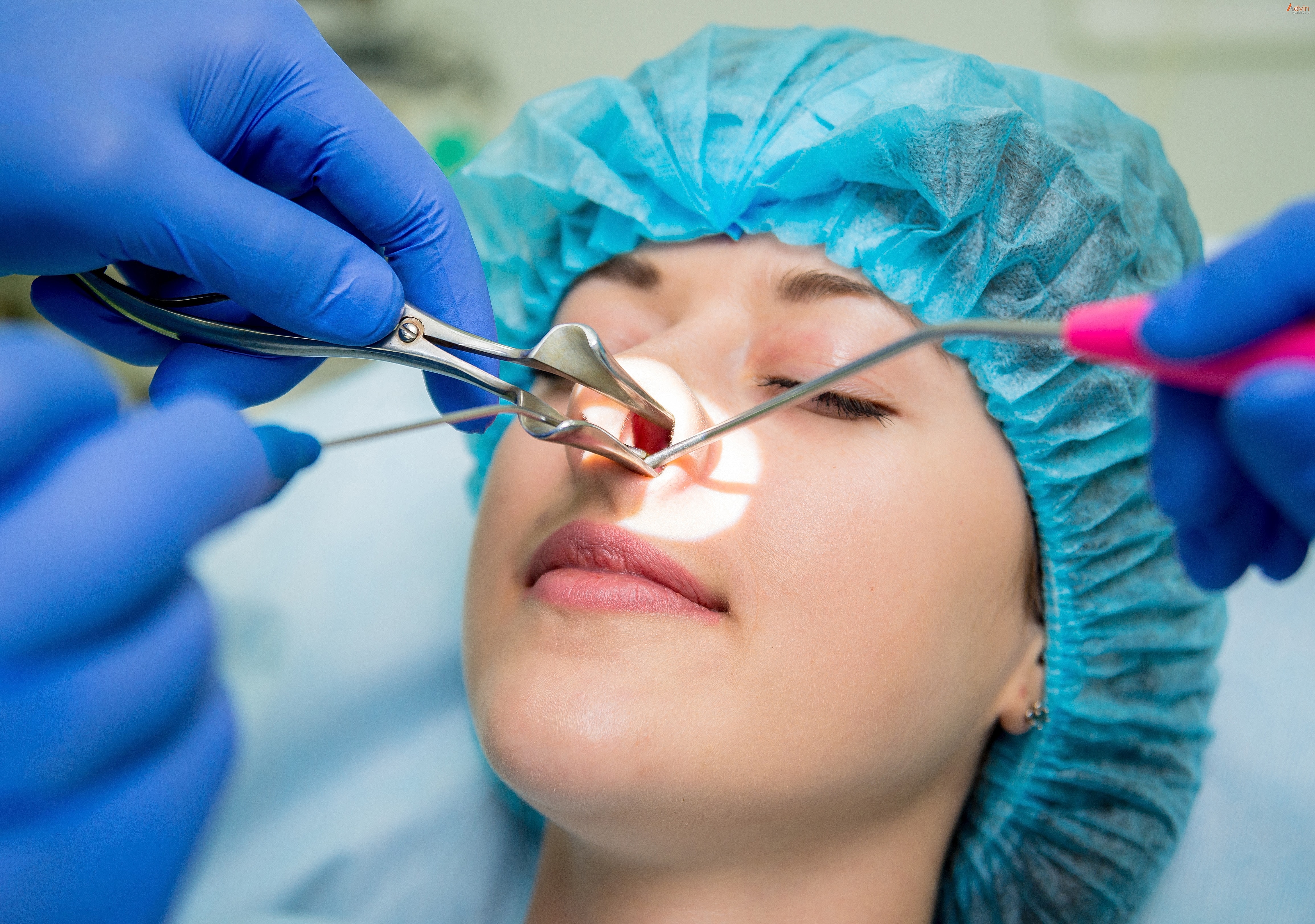 SurgicalOther
Sinus Surgery
No reviews yet
View details
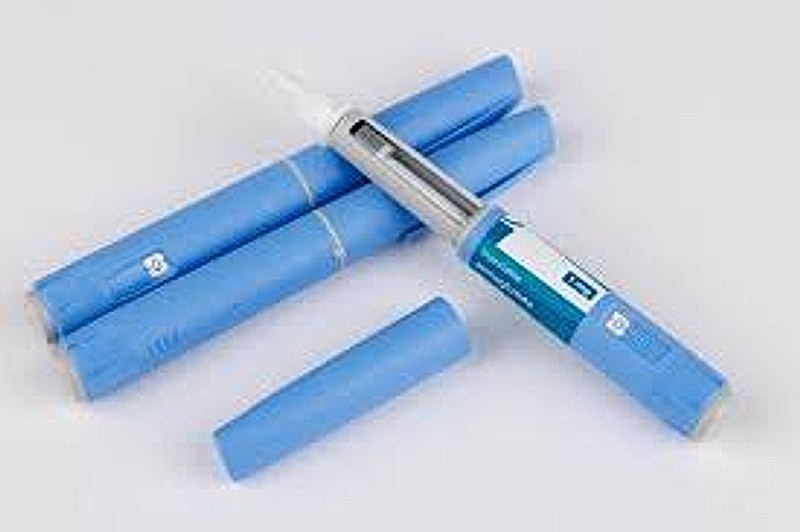 Other
OtherTirzepatide for Weight Loss
No reviews yet
View details
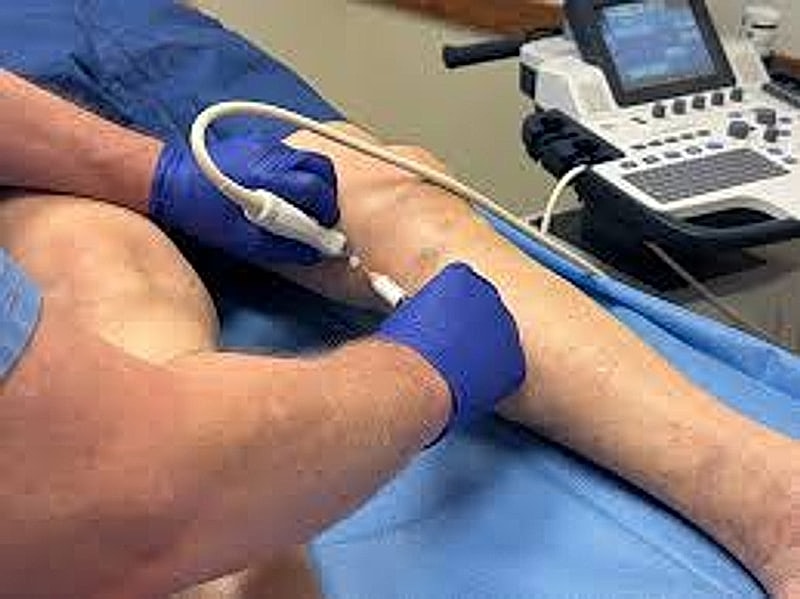 Other
OtherVarithena
No reviews yet
View details
 Other
OtherVeinGogh
No reviews yet
View details
 Other
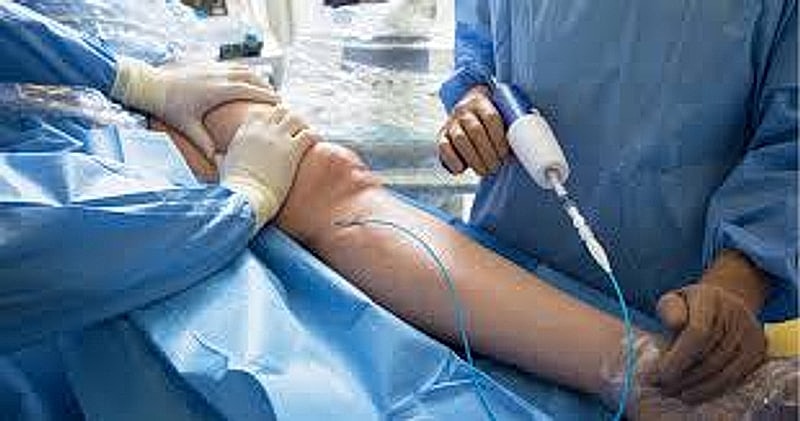
OtherVenaSeal
No reviews yet
View details
 Skin
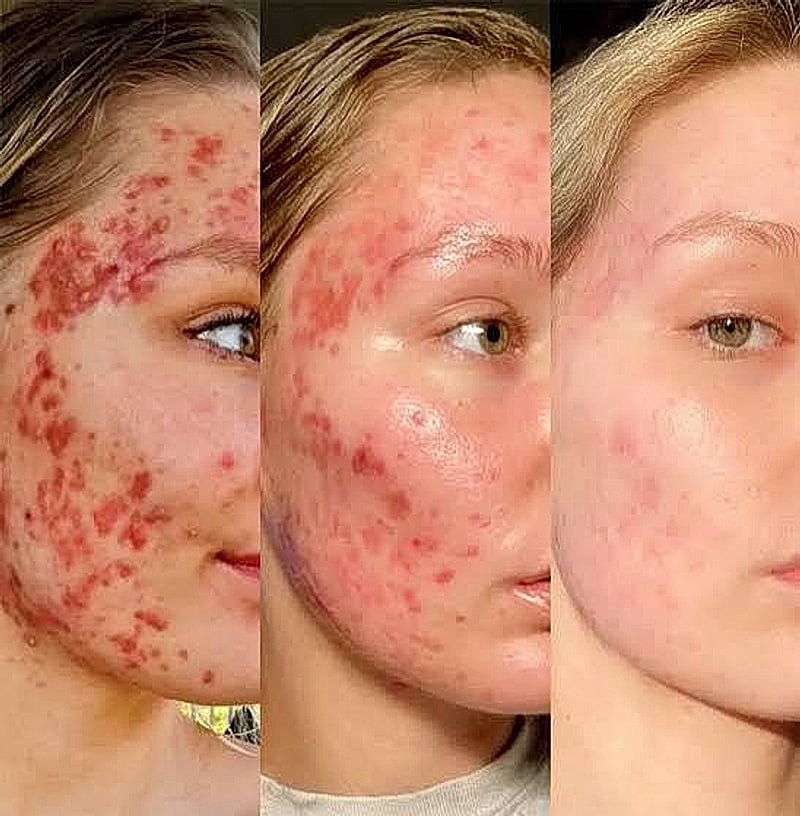
SkinAccutane
No reviews yet
View details
 Skin
SkinAcne Scar Treatment
No reviews yet•PKR 10k–50k
Acne scarring occurs when inflamed acne lesions damage the dermis, causing either depressed (atrophic) scars — such as ice-pick, boxcar, and rolling scars — or raised (hypertrophic or keloid) scars. Treatment requires an assessment of scar subtype as different scars respond to different modalities.
View details
 Skin
SkinAlastin Skincare
No reviews yet
View details
 Skin
SkinBiocorneum
No reviews yet
View details
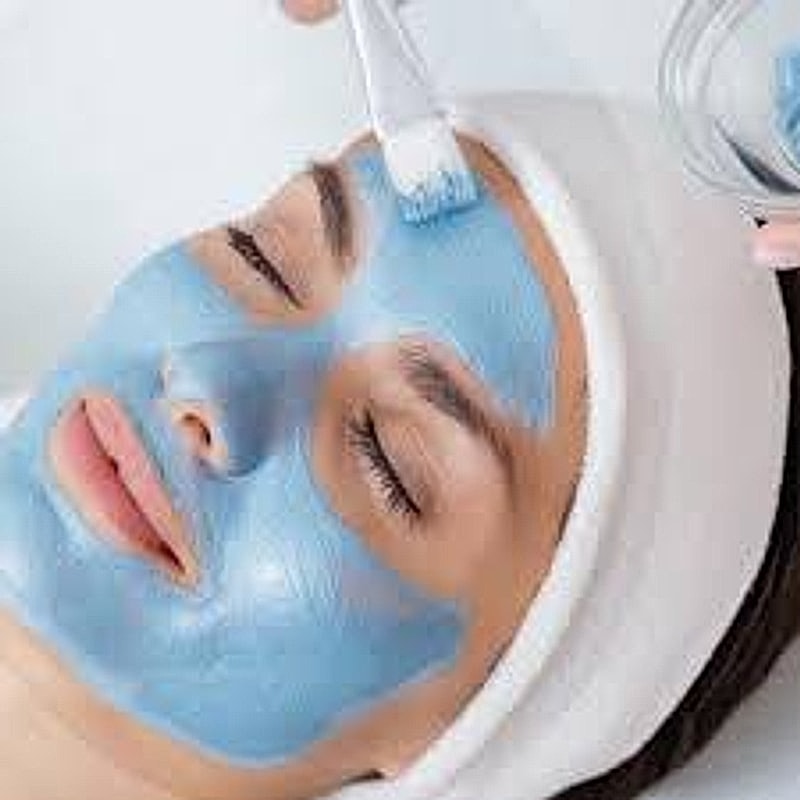 Skin
SkinBlue Peel
No reviews yet
View details
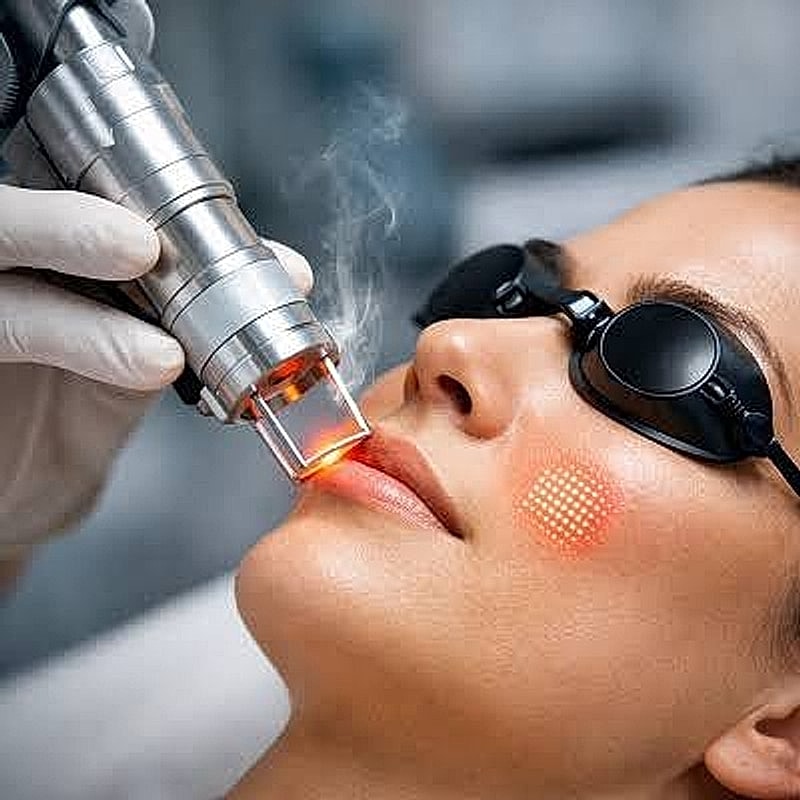 Skin
SkinCO2 Fractional Laser
No reviews yet•PKR 20k–80k
CO2 laser (carbon dioxide laser) is the gold standard for ablative skin resurfacing. It vaporises the outer skin layers with precision, stimulating significant collagen remodelling. Fractional CO2 treats columns of tissue while leaving intervening skin intact, balancing effectiveness with reduced recovery time.
View details
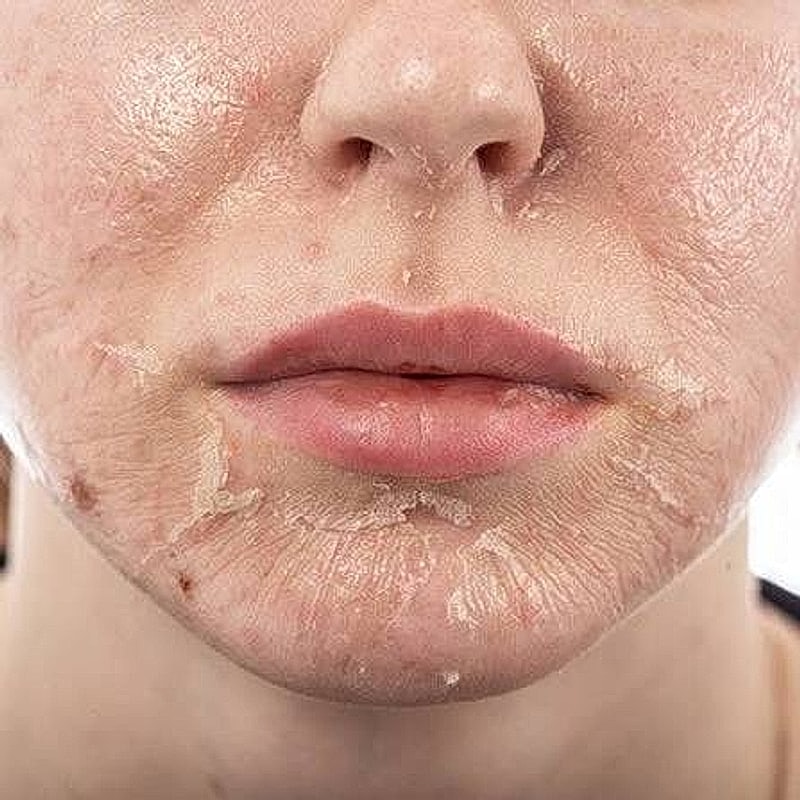 Skin
SkinChemical Peel
No reviews yet•PKR 3k–20k
A chemical peel uses an acid solution applied to the skin to exfoliate and remove the outermost skin layers, stimulating new cell growth. Peels range from superficial (lactic, glycolic) to medium-depth (TCA) to deep (phenol), each targeting different skin concerns including uneven tone, fine lines, pigmentation, and scarring.
View details
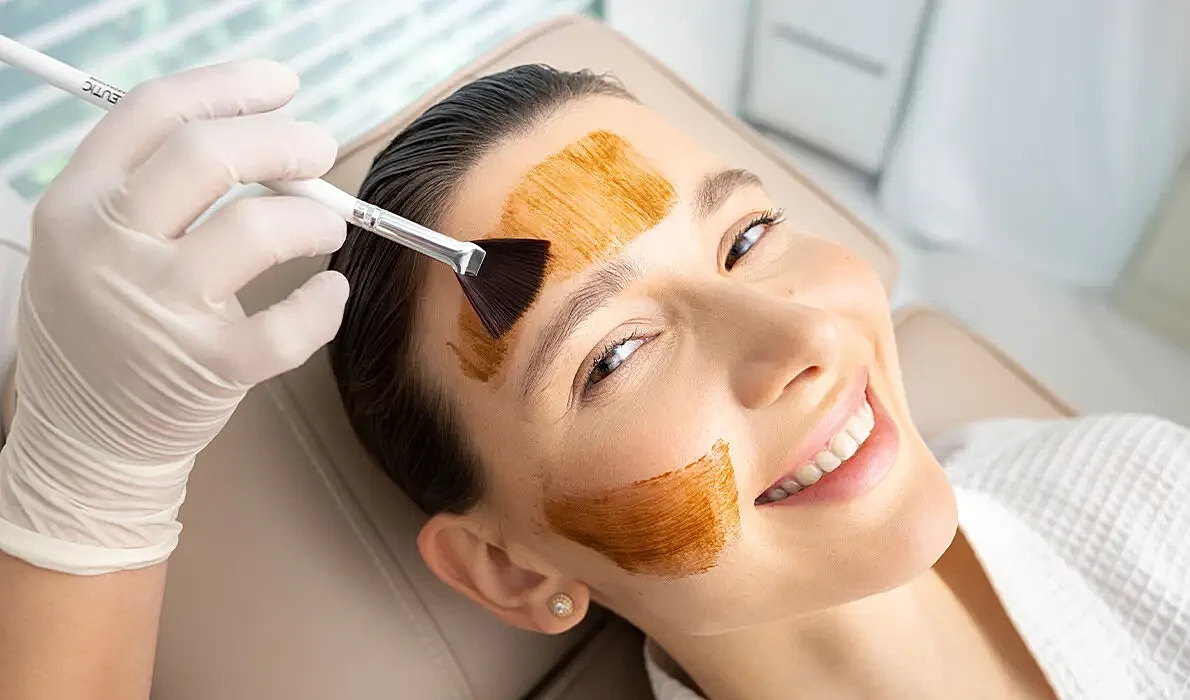 Skin
SkinCosmelan
No reviews yet
View details
 Skin
SkinDefenAge
No reviews yet
View details
 Skin
SkinDerma Roller
No reviews yet
View details
 Skin
SkinDermaWand
No reviews yet
View details
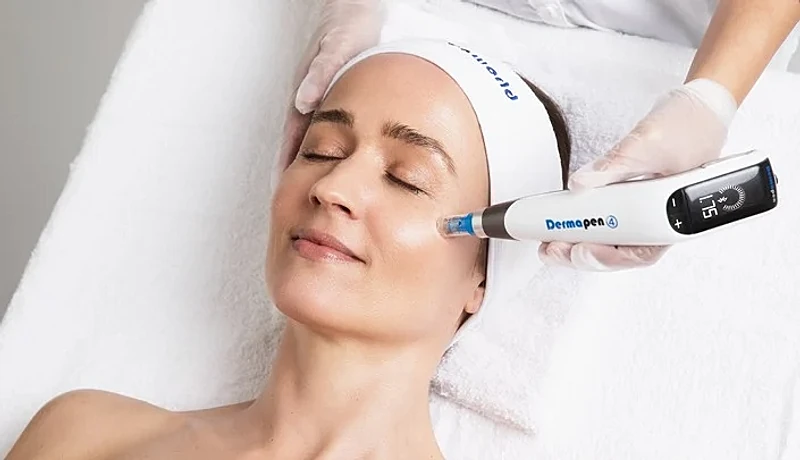 Skin
SkinDermapen
No reviews yet
View details
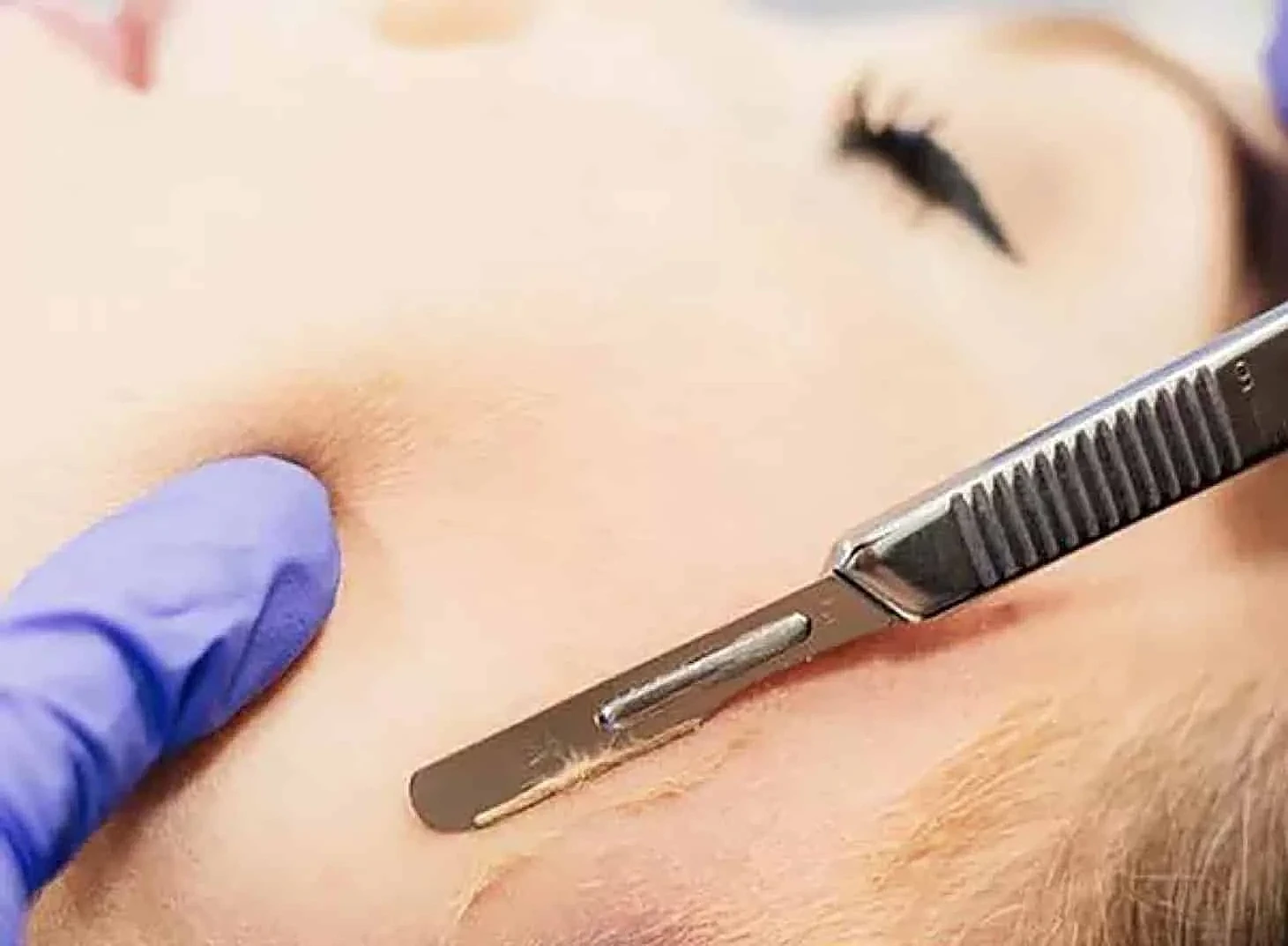 Skin
SkinDermaplaning
No reviews yet•PKR 3k–12k
Dermaplaning uses a sterile surgical scalpel to gently scrape the surface of the skin, removing dead skin cells and vellus hair (peach fuzz) in a single, painless treatment. It leaves the skin smooth, bright, and ready to absorb topical products more effectively. It is suitable for all skin types except active acne.
View details
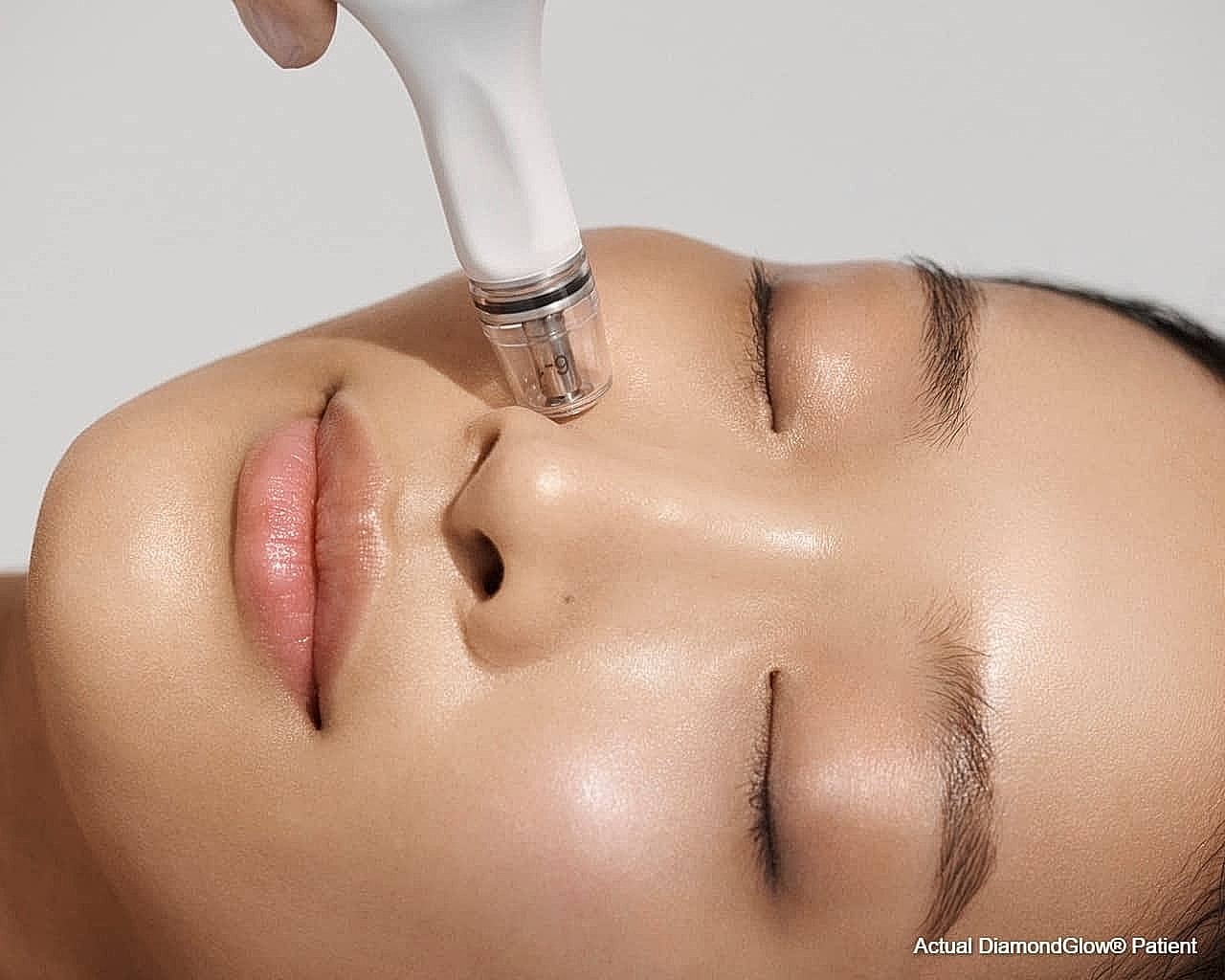 Skin
SkinDiamondGlow
No reviews yet
View details
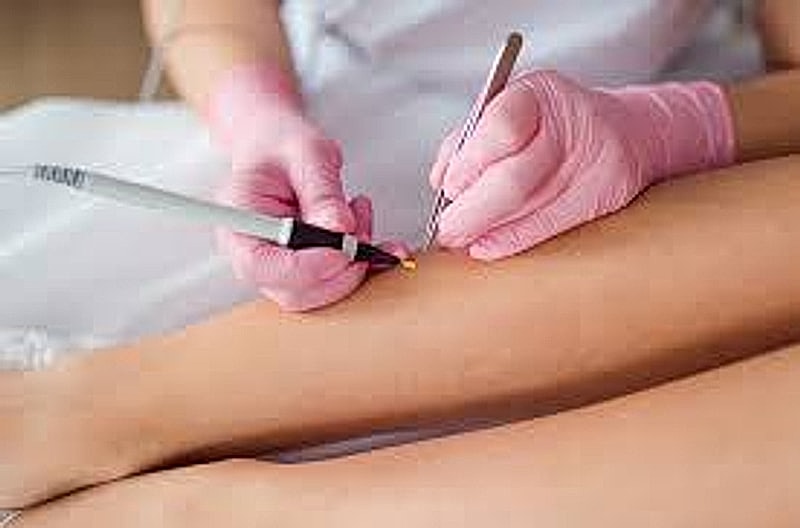 Skin
SkinElectrolysis
No reviews yet
View details
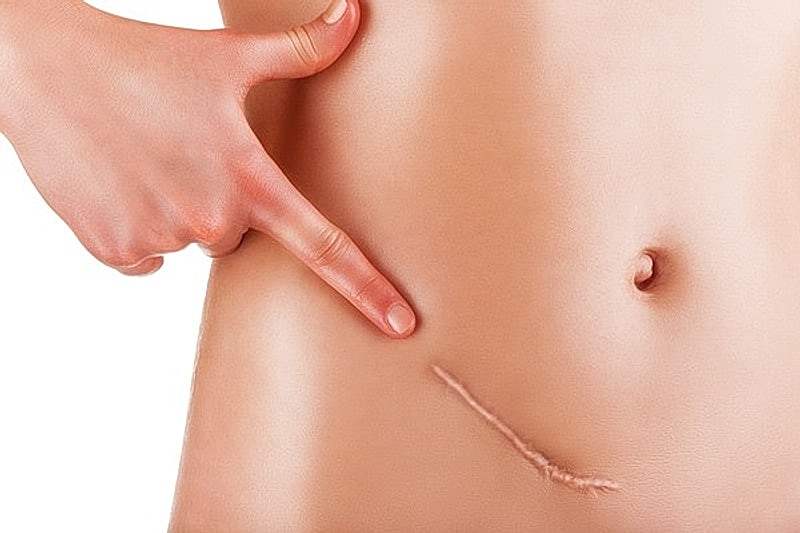 Skin
SkinEmbrace Scar Therapy
No reviews yet
View details
 Skin
SkinEpionce
No reviews yet
View details
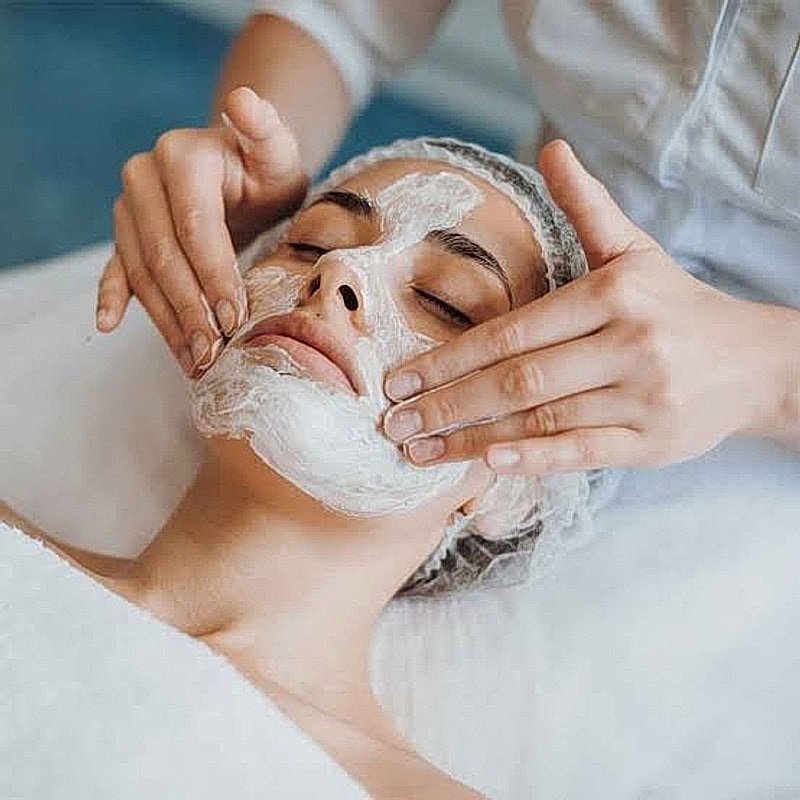 Skin
SkinFacial
No reviews yet
View details
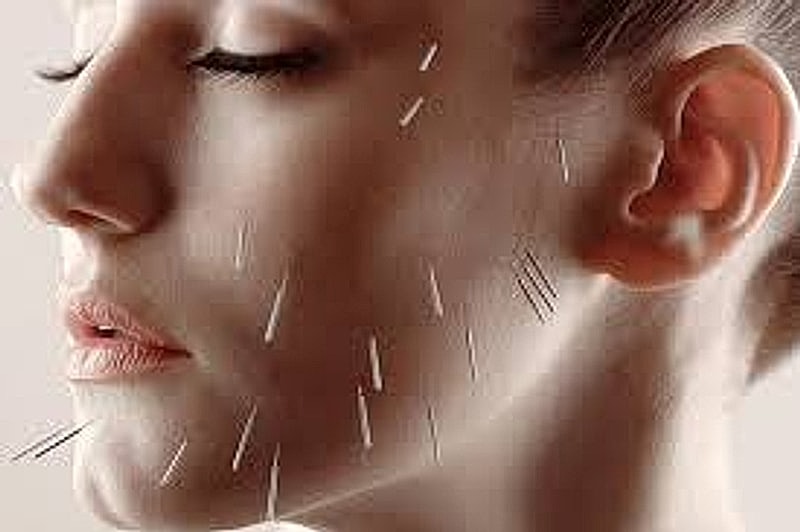 Skin
SkinFacial Acupuncture
No reviews yet
View details
 Skin
SkinGlo2Facial
No reviews yet
View details
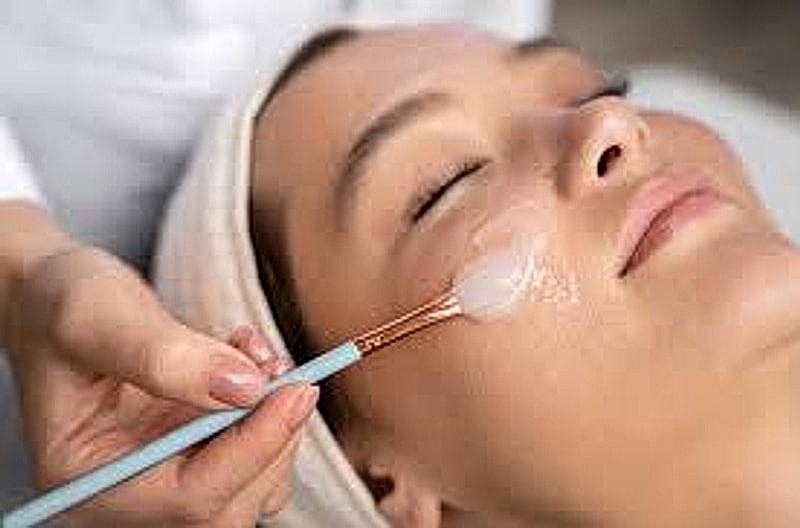 Skin
SkinGlycolic Peel
No reviews yet
View details
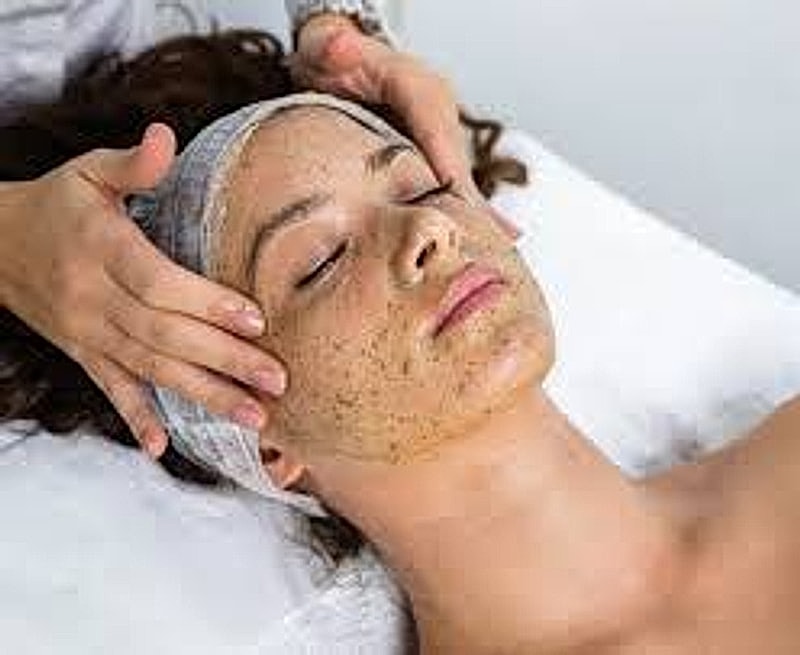 Skin
SkinGreen Peel
No reviews yet
View details
 Skin
SkinHIFU / Ultherapy
No reviews yet•PKR 60k–2L
HIFU (High-Intensity Focused Ultrasound), commercially known as Ultherapy, is the only non-invasive treatment that targets the SMAS layer — the same layer addressed in a facelift. It delivers focused ultrasound energy to stimulate collagen at three depths: the dermis, the superficial fat, and the SMAS, providing a gradual lift and tightening.
View details
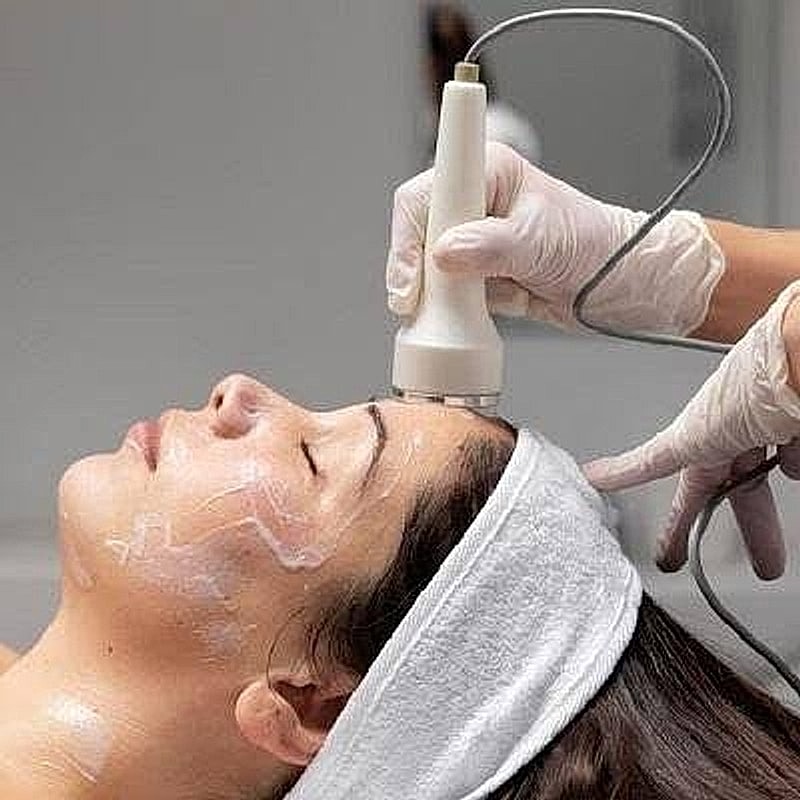 Skin
SkinHydraFacial
No reviews yet•PKR 8k–25k
HydraFacial is a multi-step medical-grade facial treatment that cleanses, exfoliates, extracts, and hydrates the skin in a single session. It uses a patented vortex-fusion technology to simultaneously remove impurities and infuse the skin with customised serums. It is suitable for all skin types and requires no downtime.
View details
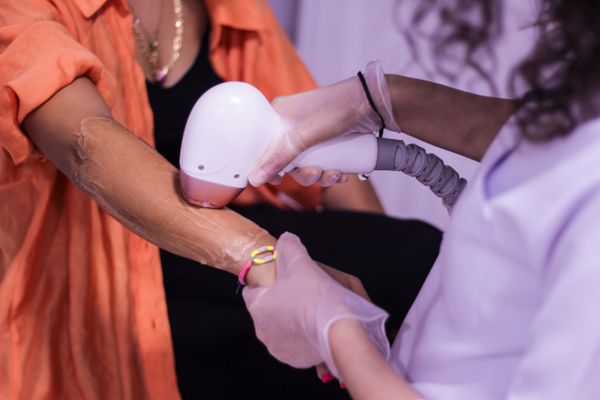 Skin
SkinIPL (Intense Pulsed Light)
No reviews yet•PKR 10k–40k
IPL (Intense Pulsed Light) treatment uses broad-spectrum light filtered to specific wavelengths to target chromophores in the skin — melanin (for pigmentation and sun damage) and oxyhaemoglobin (for redness and vascular lesions). It is a versatile treatment for uneven tone, freckles, rosacea, and photoageing.
View details
 Skin
SkinJeNu
No reviews yet
View details
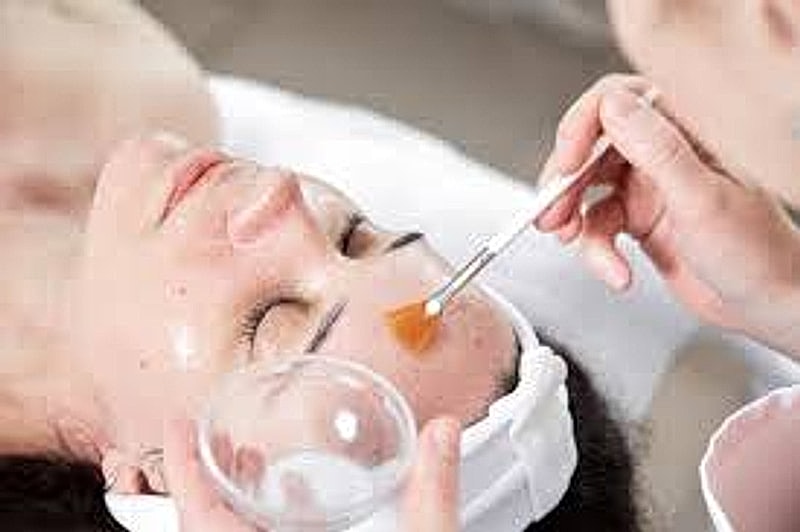 Skin
SkinJessner Peel
No reviews yet
View details
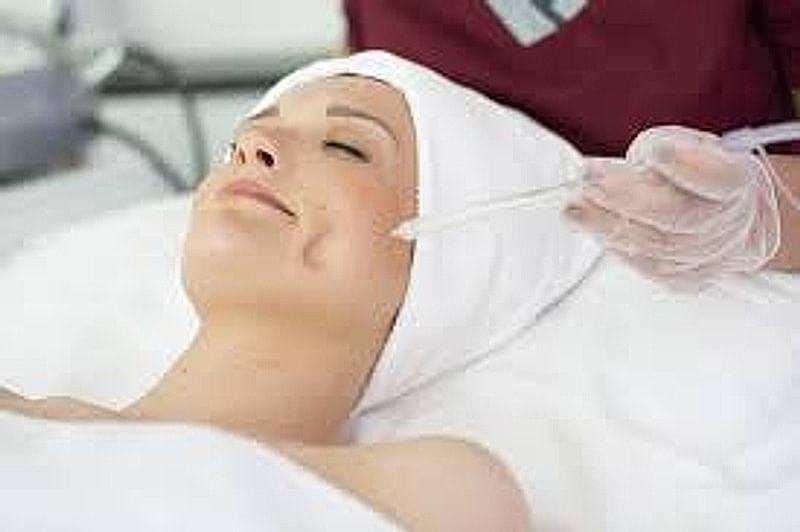 Skin
SkinJet Peel
No reviews yet
View details
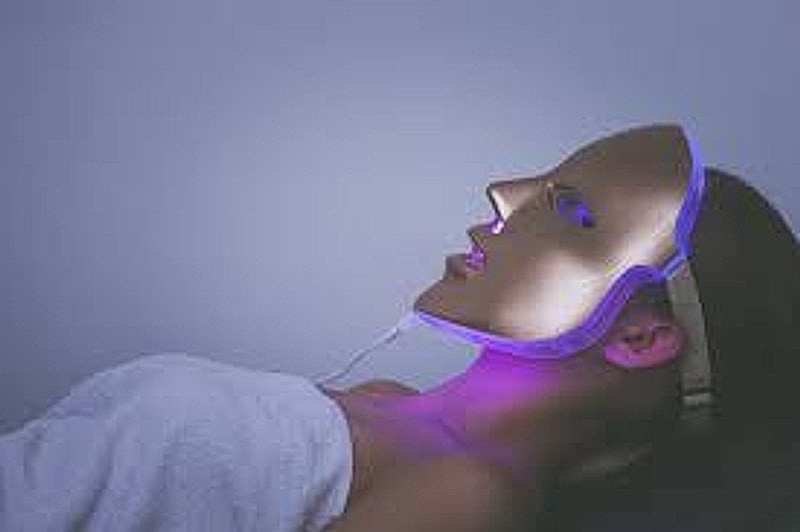 Skin
SkinLED Light Therapy
No reviews yet
View details
 Skin
SkinLaser Skin Resurfacing
No reviews yet•PKR 15k–60k
Laser skin treatments encompass a range of devices and technologies — CO2, erbium, Nd:YAG, diode, fractional — each targeting different skin concerns. Selecting the correct laser for the patient's concern, skin type, and tolerance for downtime is the key to effective, safe treatment.
View details
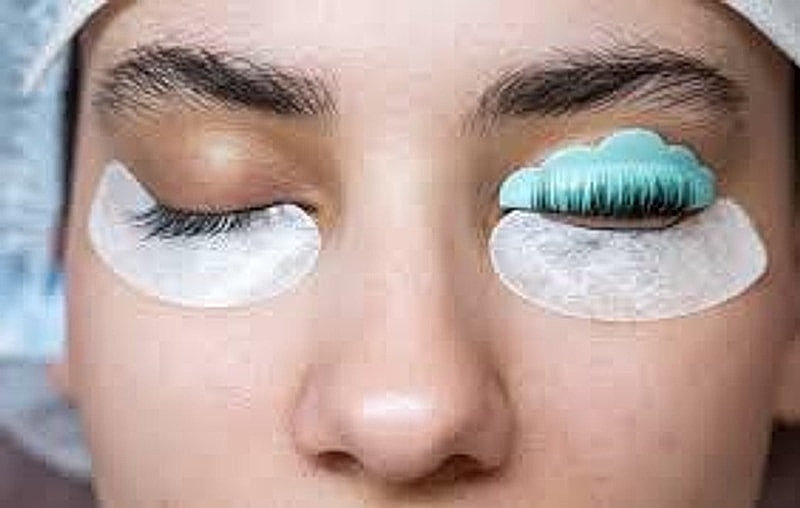 Skin
SkinLash Lift
No reviews yet
View details
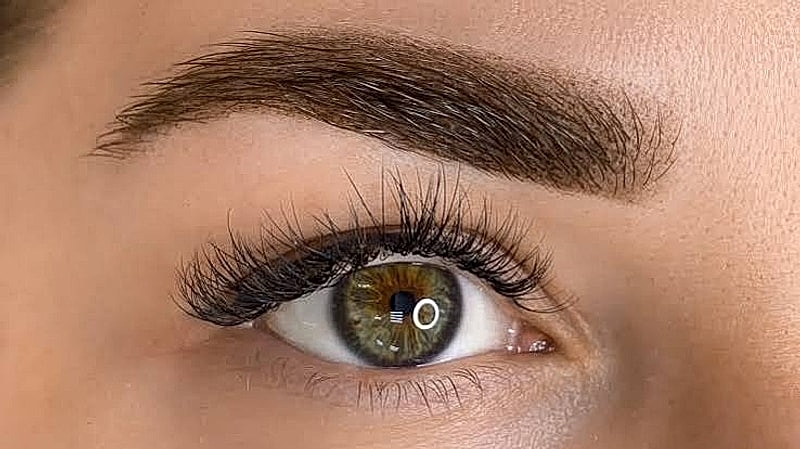 Skin
SkinLatisse
No reviews yet
View details
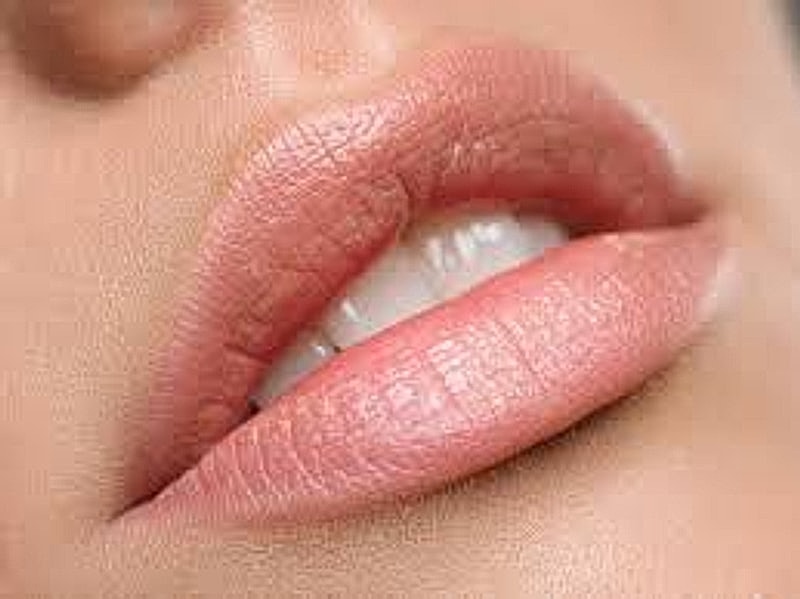 Skin
SkinLip Blushing
No reviews yet
View details
 Skin
SkinMeaningful Beauty
No reviews yet
View details
 Skin
SkinMelasma / Pigmentation Treatment
No reviews yet•PKR 5k–25k
Melasma is a common pigmentation disorder causing symmetrical brown or grey patches on sun-exposed skin, particularly the face. It is driven by hormonal factors (pregnancy, contraceptives), sun exposure, and genetic predisposition. Treatment requires a combination of sun protection, topical agents, and in some cases procedural treatments.
View details
 Skin
SkinMicrochanneling
No reviews yet
View details
 Skin
SkinMicrodermabrasion
No reviews yet•PKR 3k–10k
Microdermabrasion is a non-invasive exfoliation treatment that uses a fine-tipped instrument to abrade the superficial skin layer or spray microcrystals to polish the skin. It improves texture, mild pigmentation, enlarged pores, and dull complexion with no downtime.
View details
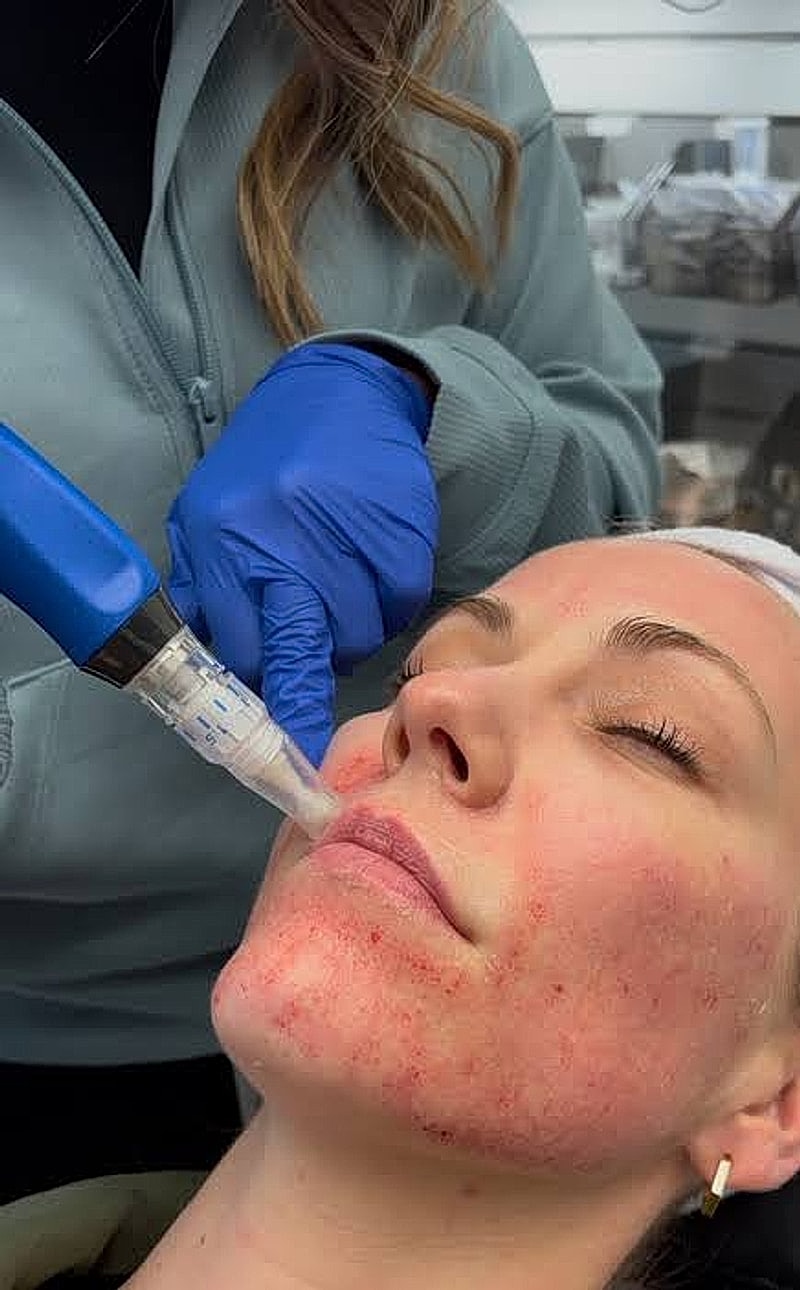 Skin
SkinMicroneedling
No reviews yet•PKR 8k–25k
Microneedling (collagen induction therapy) uses a device with fine needles to create controlled microchannels in the skin, triggering the body's wound-healing response and stimulating collagen and elastin production. It addresses fine lines, acne scars, large pores, uneven texture, and skin laxity.
View details
 Skin
SkinMirvaso
No reviews yet
View details
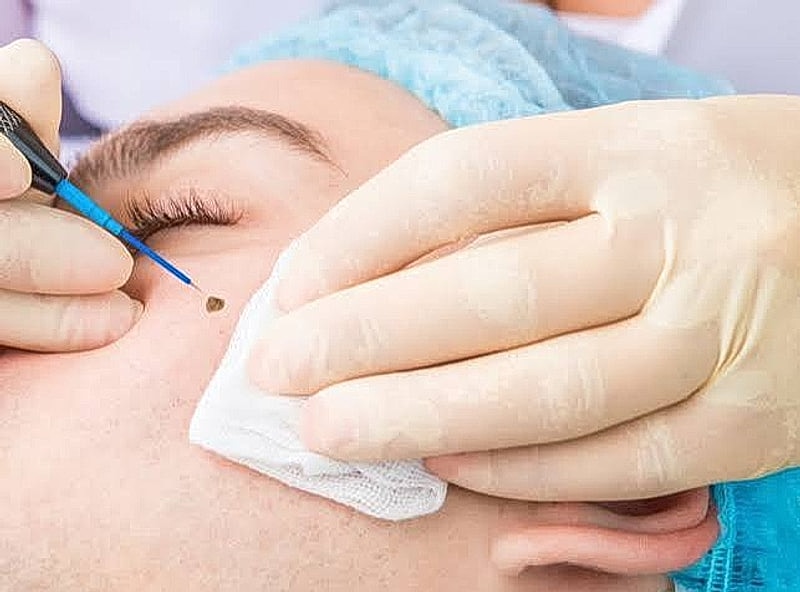 Skin
SkinMole / Wart / Skin Tag Removal
No reviews yet•PKR 5k–25k
Mole removal is a minor surgical procedure to excise benign or suspicious moles (melanocytic naevi) from the skin. All removed moles should be sent for histopathological examination to rule out malignancy. Removal methods include surgical excision, shave excision, and laser removal (only for confirmed benign lesions).
View details
 Skin
SkinNeocutis
No reviews yet
View details
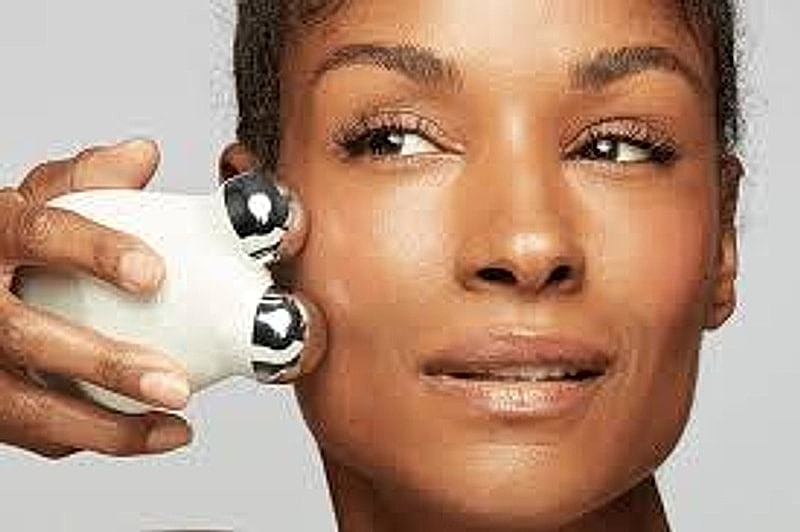 Skin
SkinNuFace
No reviews yet
View details
 Skin
SkinObagi Nu-Derm
No reviews yet
View details
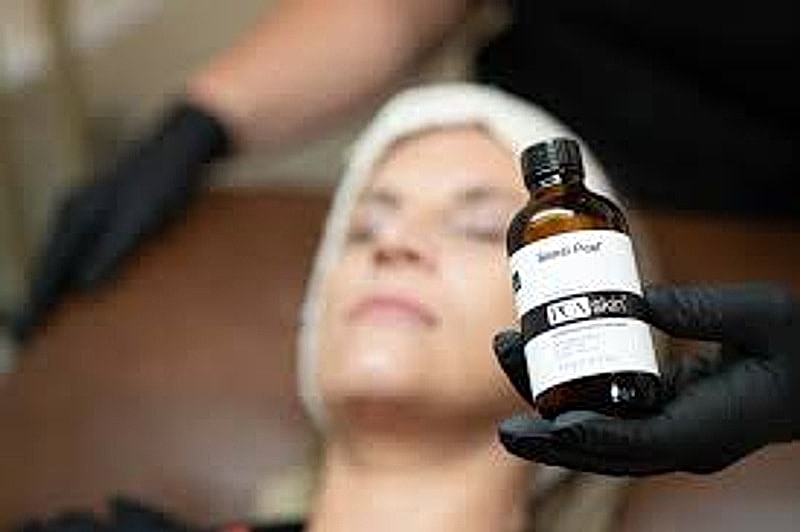 Skin
SkinPCA Skin Peel
No reviews yet
View details
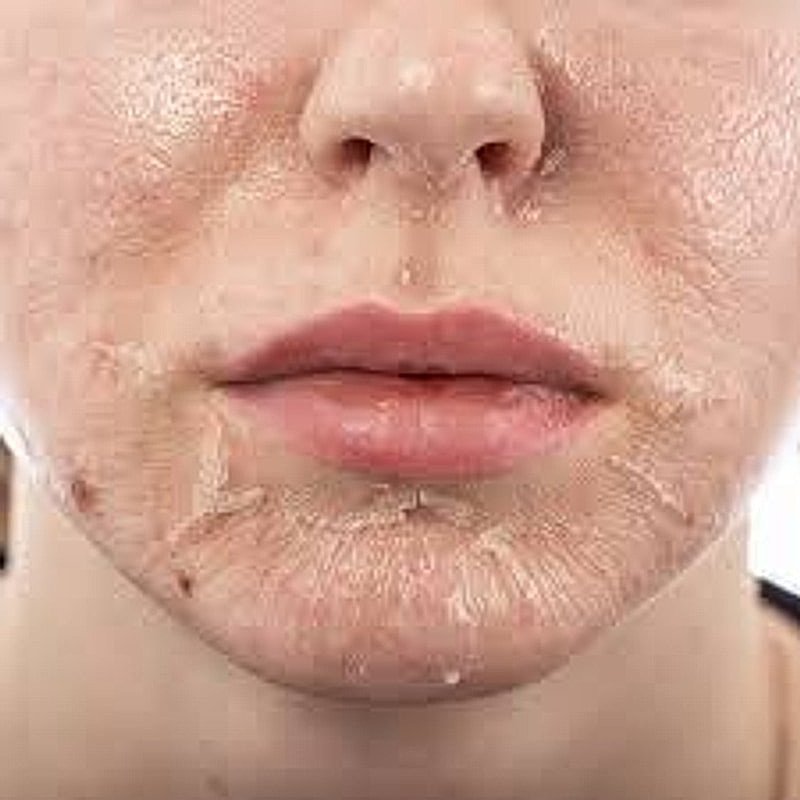 Skin
SkinPhenol Peel
No reviews yet
View details
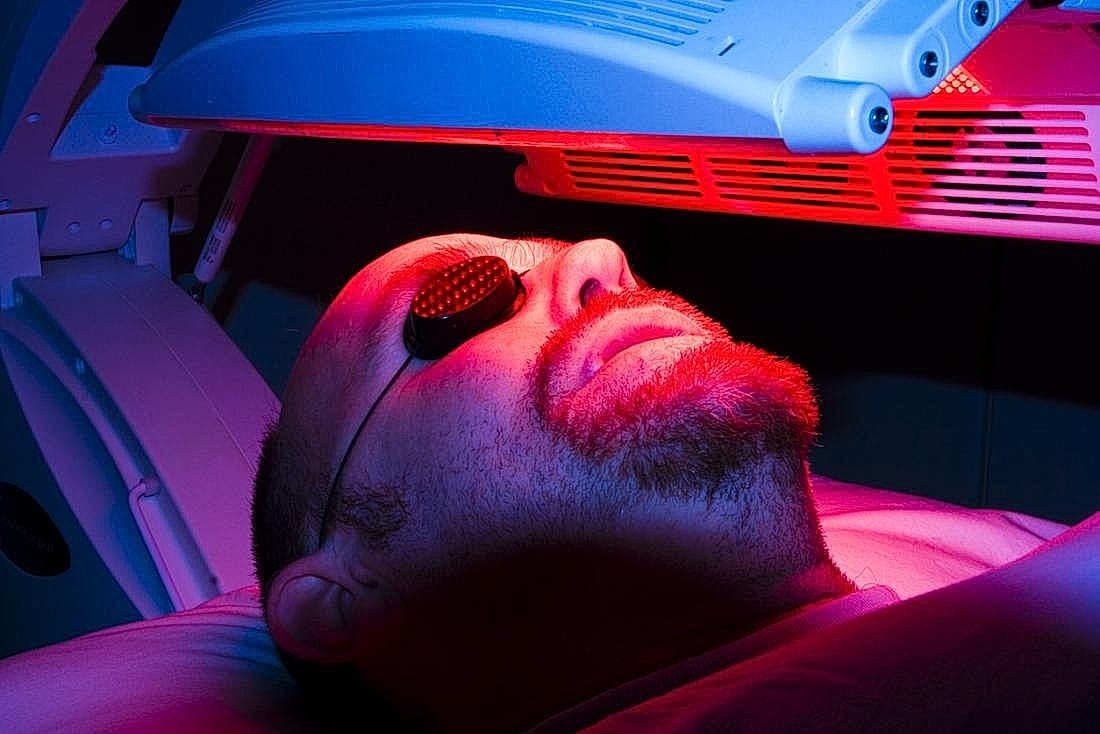 Skin
SkinPhotodynamic Therapy
No reviews yet
View details
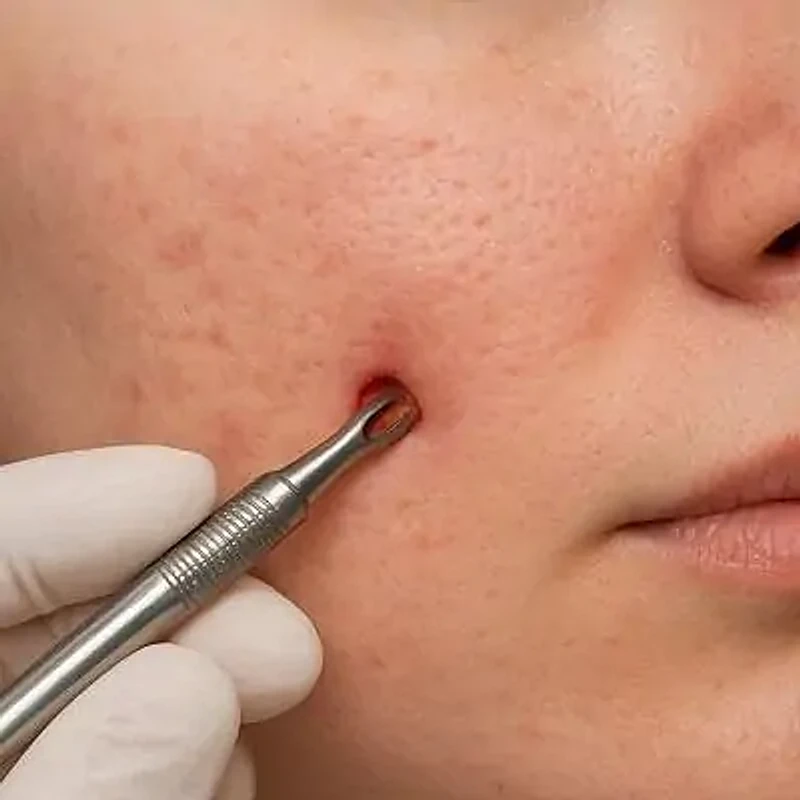 Skin
SkinPunch Excision
No reviews yet
View details
 Skin
SkinRadiofrequency Skin Tightening
No reviews yet•PKR 15k–50k
Radiofrequency skin tightening uses electrical energy to heat the dermis and subcutaneous layers to stimulate collagen contraction and new collagen production. It addresses mild to moderate skin laxity on the face, neck, and body without surgery, and is suitable for all skin types.
View details
 Skin
SkinRetin-A
No reviews yet
View details
 Skin
SkinRevision Skincare
No reviews yet
View details
 Skin
SkinSalicylic Peel
No reviews yet
View details
 Skin
SkinScar Revision
No reviews yet•PKR 10k–50k
Scar revision improves the appearance of scars left by injury, surgery, or skin conditions. It can involve surgical excision and re-closure, steroid injections for hypertrophic scars, laser treatment, dermabrasion, or silicone therapy. The approach depends on the scar type, location, and age.
View details
 Skin
SkinSilagen
No reviews yet
View details
 Skin
SkinSkin Brightening Treatment
No reviews yet•PKR 5k–25k
Skin whitening or brightening treatments address hyperpigmentation, uneven tone, melasma, and dark spots. Medical brightening uses clinically validated ingredients and techniques rather than harmful or unregulated bleaching products. The goal is an even, radiant complexion rather than a change in baseline skin colour.
View details
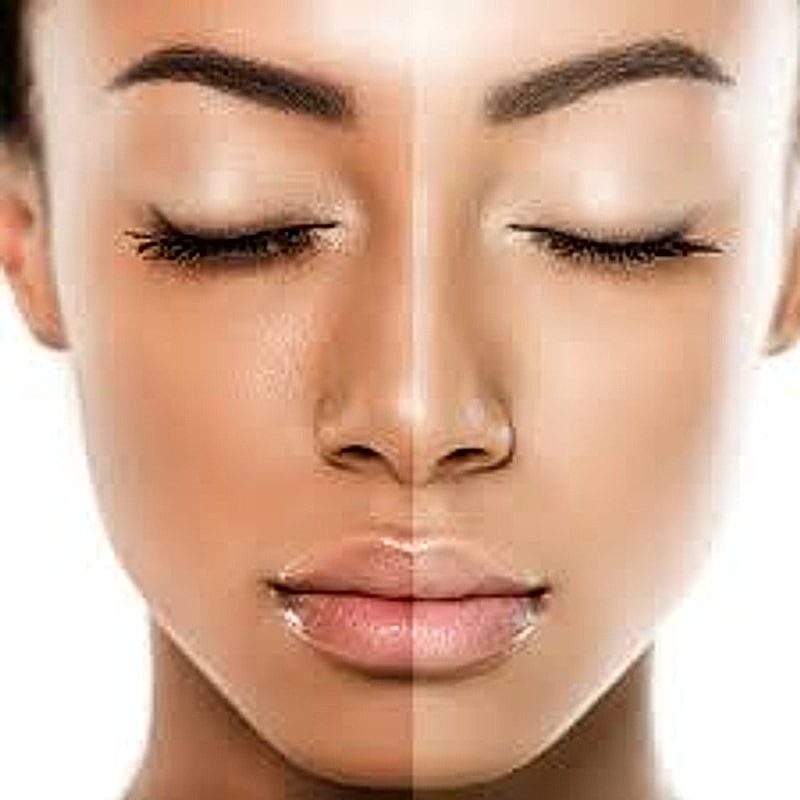 Skin
SkinSkin Lightening
No reviews yet
View details
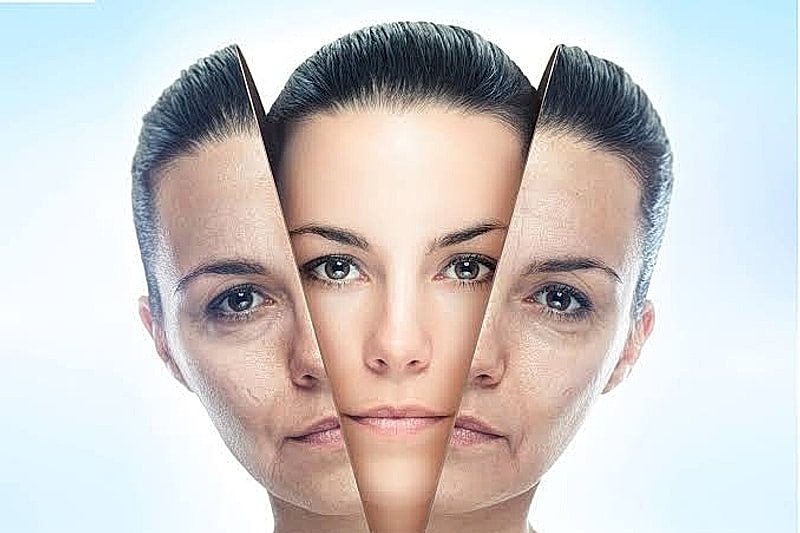 Skin
SkinSkin Rejuvenation
No reviews yet
View details
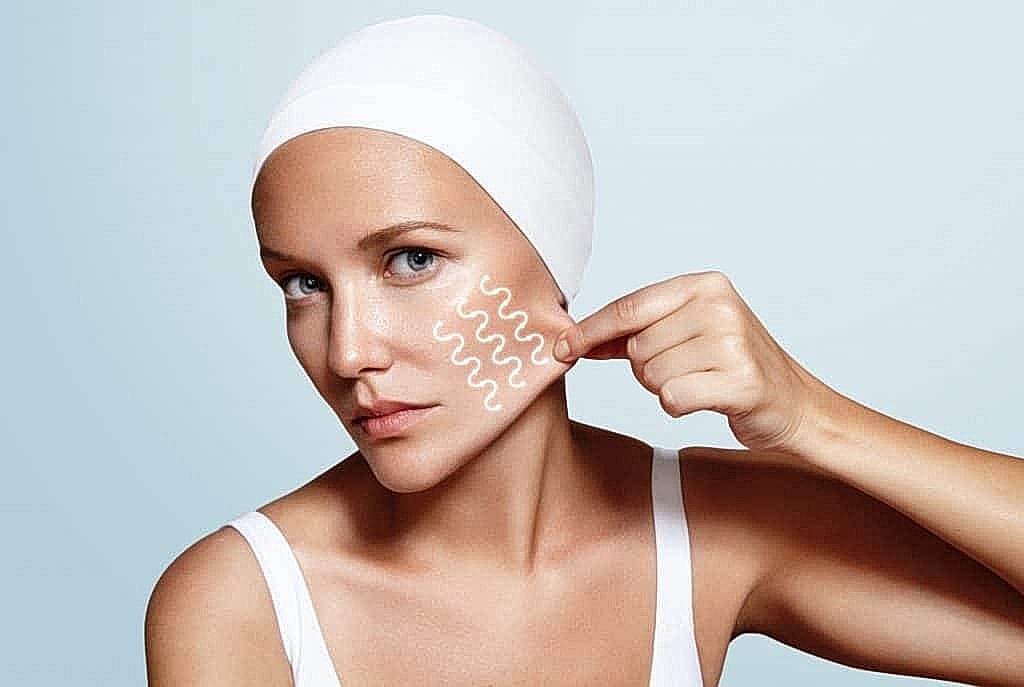 Skin
SkinSkin Tightening
No reviews yet
View details
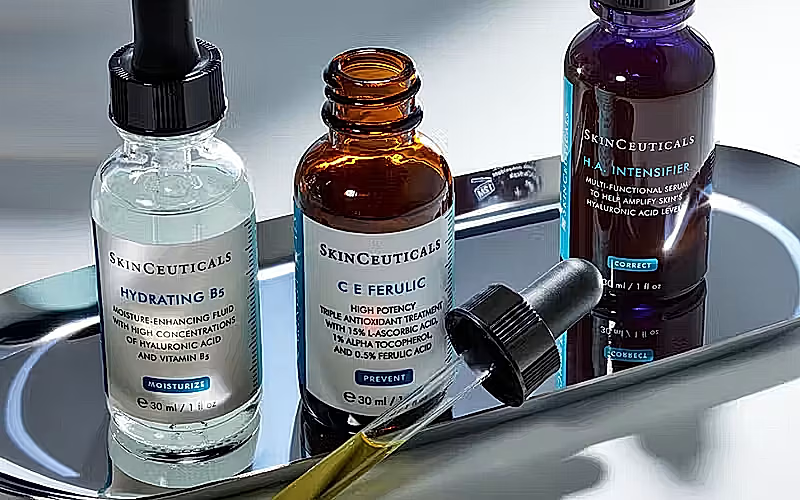 Skin
SkinSkinCeuticals
No reviews yet
View details
 Skin
SkinSkinMedica
No reviews yet
View details
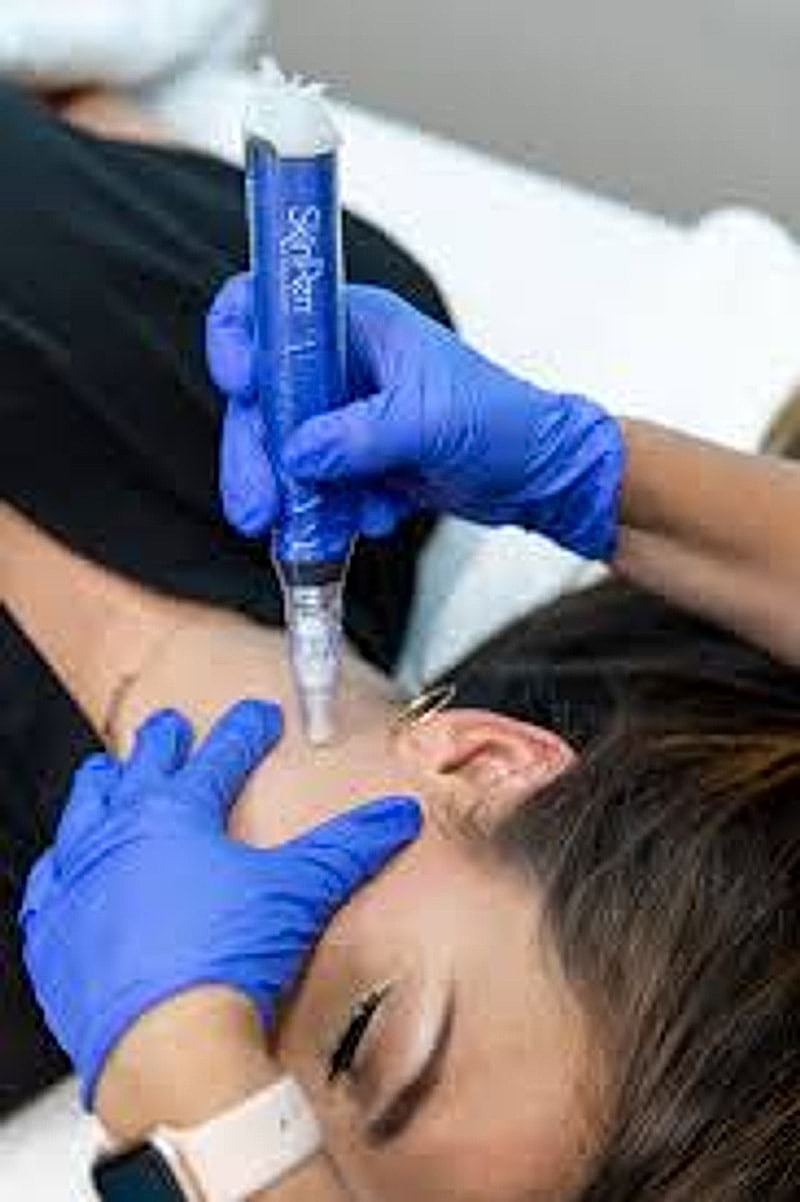 Skin
SkinSkinPen
No reviews yet
View details
 Skin
SkinSkinbetter Science
No reviews yet
View details
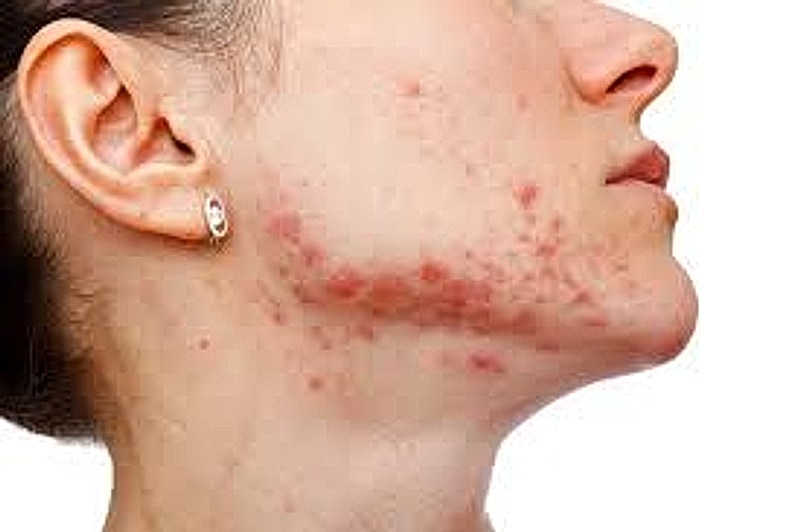 Skin
SkinSpironolactone For Acne
No reviews yet
View details
 Skin
SkinStretch Mark Treatment
No reviews yet•PKR 10k–40k
Stretch marks (striae) are scars in the dermis caused by rapid skin stretching during growth, pregnancy, or significant weight change. Recent red/purple stretch marks (striae rubrae) respond better to treatment than mature white ones (striae albae). No treatment fully eliminates stretch marks, but appearance can be significantly improved.
View details
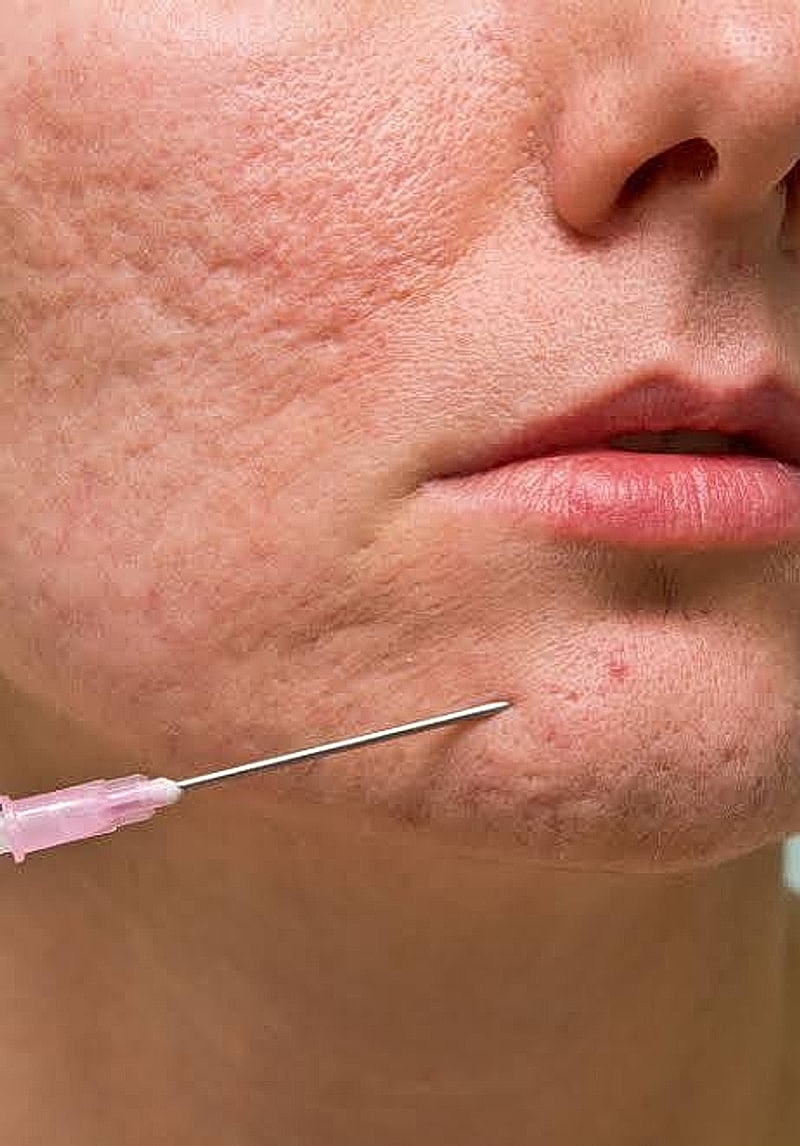 Skin
SkinSubcision
No reviews yet
View details
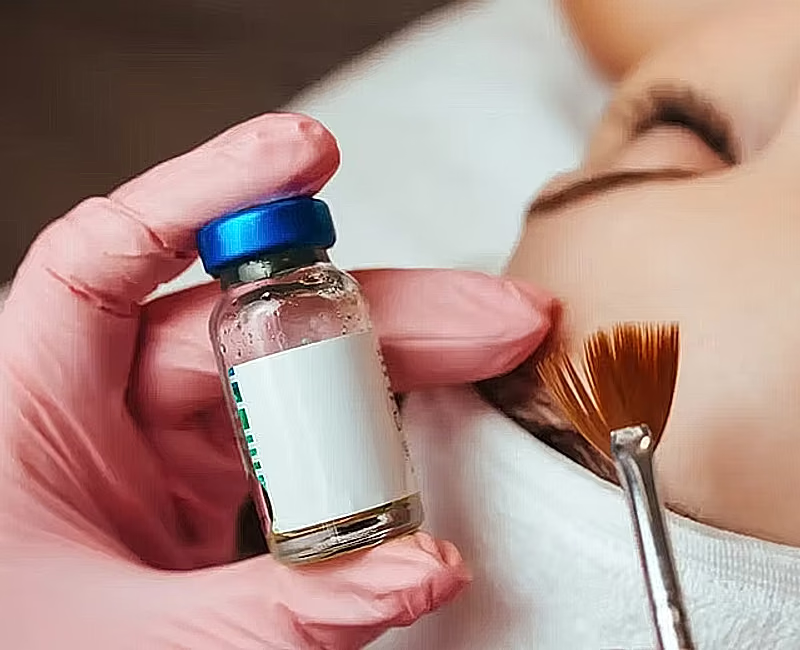 Skin
SkinTCA Peel
No reviews yet
View details
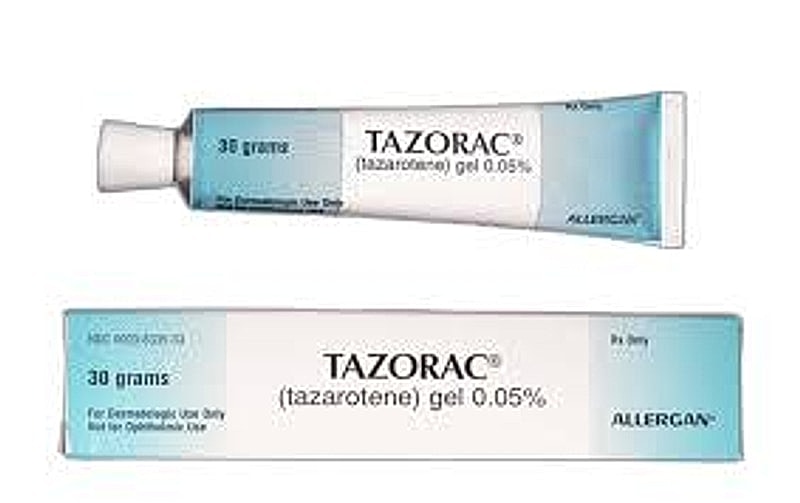 Skin
SkinTazorac
No reviews yet
View details
 Skin
SkinUpneeq
No reviews yet
View details
 Skin
SkinVI Peel
No reviews yet
View details
 Skin
SkinVISIA Skin Analysis
No reviews yet
View details
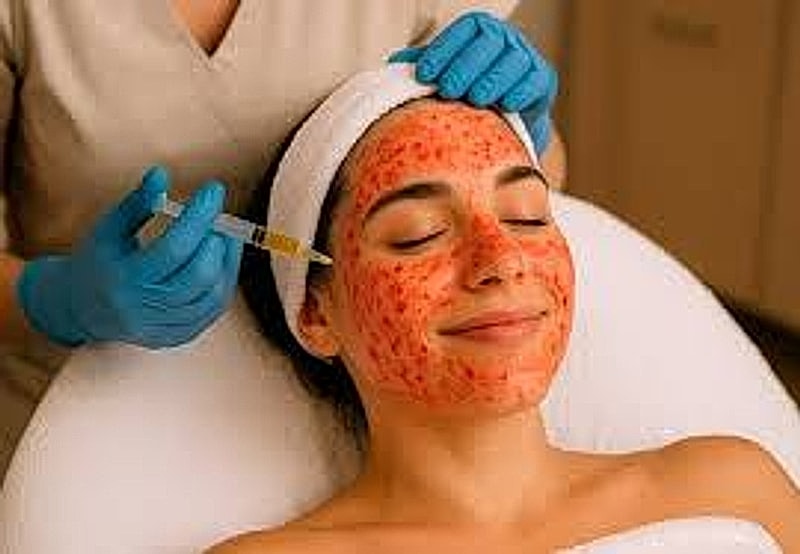 Skin
SkinVampire Facial
No reviews yet
View details
 Skin & Resurfacing
Acne Scar Treatment
No reviews yet
Acne scar treatment encompasses all procedural approaches used to improve the appearance of scars left by acne. The most effective programmes combine subcision, fractional laser, RF microneedling, and targeted fillers, tailored to the type and severity of scars present.
View details
 Skin & Resurfacing
Acne Treatment
No reviews yet
Medical acne treatment addresses active acne through a combination of topical medications (retinoids, antibiotics, benzoyl peroxide), systemic medications (oral antibiotics, isotretinoin, hormonal therapy), and procedural treatments (chemical peels, light therapies, extraction facials). The approach depends on acne severity, type, and skin type.
View details
 Skin & Resurfacing
Dermabrasion
No reviews yet
Dermabrasion is an ablative skin resurfacing procedure that uses a rapidly rotating instrument to mechanically remove the outer skin layers. It is primarily used for acne scars, deep wrinkles, and uneven skin surface. It is more aggressive than microdermabrasion and requires a meaningful recovery period.
View details
 Skin & Resurfacing
Hyperhidrosis Treatment (Excessive Sweating)
No reviews yet
Hyperhidrosis treatment using botulinum toxin injections addresses excessive, uncontrollable sweating in the underarms, palms, or soles. Standard antiperspirants are ineffective for this condition. Botox injections block the nerve signals that activate sweat glands, providing relief for several months.
View details
 Skin & Resurfacing
IPL Photofacial
No reviews yet
An IPL photofacial is an IPL treatment applied to the full face to address the cumulative effects of photoageing — sun damage, brown spots, redness, uneven tone, fine lines, and enlarged pores. It is a full-face rejuvenation treatment using intense pulsed light.
View details
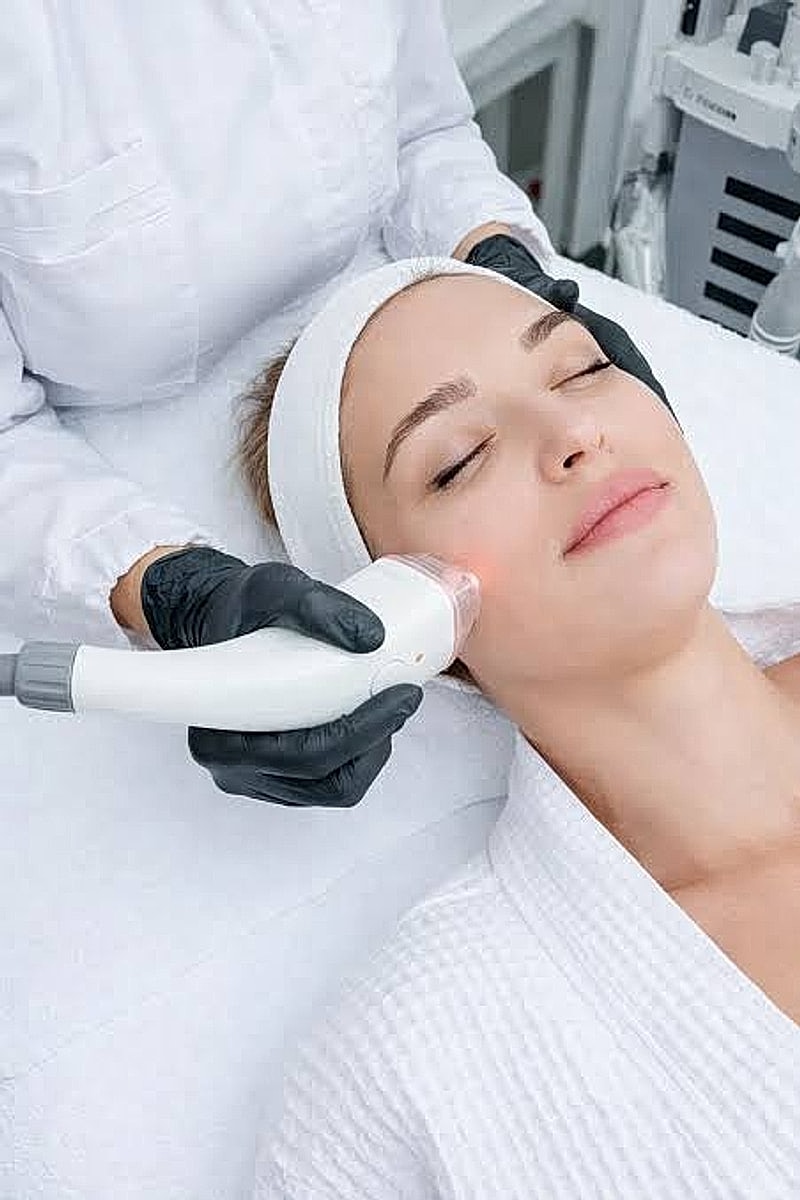 Skin & Resurfacing
Laser Resurfacing (CO2 / Erbium)
No reviews yet
Laser resurfacing uses ablative laser energy — CO2 or erbium — to remove damaged skin layers and stimulate the growth of new, smoother skin. It is one of the most effective treatments for significant photoageing, deep wrinkles, acne scars, and general textural concerns.
View details
 Skin & Resurfacing
Laser Skin Tightening
No reviews yet
Laser skin tightening uses infrared or fractional laser energy to heat the dermis and stimulate collagen production, resulting in firmer, tighter skin. It addresses mild to moderate skin laxity on the face, neck, and body. Fractional CO2 laser tightening produces more dramatic results than non-ablative infrared lasers.
View details
 Skin & Resurfacing
PRP Facial (Vampire Facial)
No reviews yet
A PRP facial combines platelet-rich plasma preparation from the patient's own blood with topical application during microneedling or mesotherapy. The growth factors in PRP penetrate through the microchannels created by needling to deliver concentrated regenerative benefits directly into the dermis.
View details
 Skin & Resurfacing
RF Microneedling (Morpheus8 / Sylfirm)
No reviews yet
Radiofrequency microneedling combines traditional microneedling with radiofrequency energy delivered directly through the needles into the dermis. The combination creates deeper collagen stimulation than microneedling alone and addresses skin laxity, acne scars, enlarged pores, and moderate wrinkles more effectively.
View details
 Skin & Resurfacing
Vascular Laser (Spider Veins / Redness)
No reviews yet
Vascular lasers specifically target blood vessels and vascular lesions including rosacea, facial thread veins, port wine stains, cherry angiomas, spider veins, and haemangiomas. The main devices are the pulsed-dye laser (PDL, 585/595nm) and Nd:YAG (1064nm), both targeting oxyhaemoglobin in blood vessels.
View details
Ready to find a clinic?
Browse verified clinics in Pakistan — each one personally reviewed by our team.
Browse Clinics →